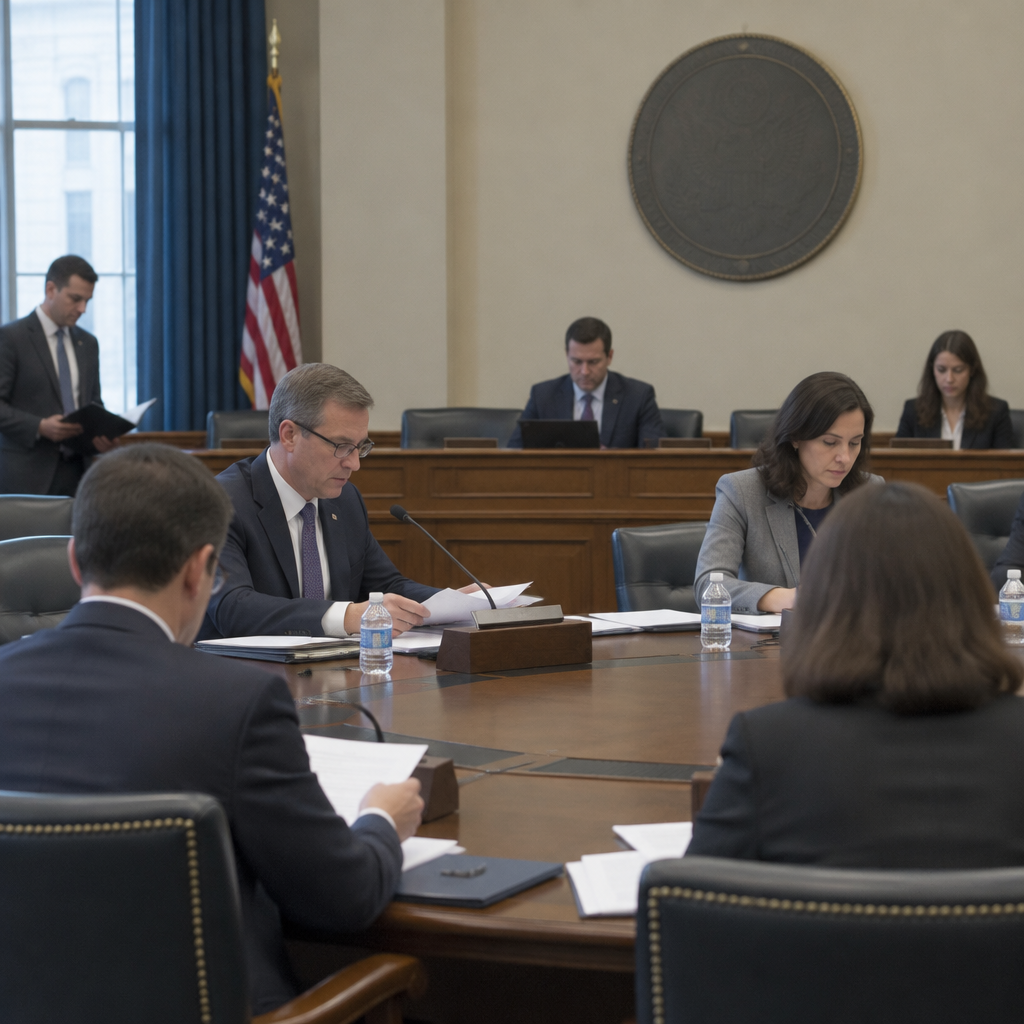
"If you get a letter from Congress, generally there's a two week timeline—and that's actually if Congress is being generous." That blunt timetable from Kristina Moore, a partner at Womble Bond Dickinson who previously worked as a Congressional investigator, is the practical starting point for defense companies the source calls out as most exposed to scrutiny when the next Congress convenes.
Kristina Moore on preparedness, privilege, and proximity to the Trump administration
Moore told Defense One that newer defense firms should "prepare for potential Congressional anti-corruption probes and examine ties to the Trump administration" before the Democrat-led Congress takes office in 2027. She recommended that companies "take stock of their board and think about 'preparedness,'" defining preparedness as "understanding what oversight is and is not."
She highlighted a frequent surprise in oversight: Congress's approach to common-law privileges. "Congress's position is that common law privileges, attorney-client privilege, work product privilege—they recognize that at their discretion," Moore said, warning that in practice routine assumptions by general counsels about privileged conversations may not hold in a Congressional inquiry. That risk is tied to her procedural point about short response clocks; two weeks can elapse quickly before Congress moves toward compulsory tools.
Hot topics Congress is likely to probe: Iran, Venezuela, and AI
Moore identified three areas ripe for investigation: Iran, Venezuela—including U.S. boat strikes to curb alleged drug imports—and "AI policy and use." She framed these as items "in the zone of great interest," urging companies to ask themselves whether they "have any interesting information" or whether there were "any talks with the president" relevant to those topics.

Audit-ready is a season. It shouldn't be.
Evidence in spreadsheets, controls drifting between audits, frameworks multiplying on flat headcount. Nubivance runs continuous compliance on Rapid7 Cyber GRC - SOC 2, HIPAA, ISO 27001, PCI, CMMC.
End the scrambleForeign military sales: reform, risk, and potential roadblocks
Shaun McDougall, lead defense analyst for Forecast International, told Defense One that the Trump administration's push to increase foreign military sales and its reforms last year could produce increased scrutiny in 2027. "The administration has been very open with trying to push or get sales as high as possible," McDougall said, and that approach could bring "more controversial deals with places like Saudi Arabia or Turkey, where Democrats might try to put up some roadblocks."
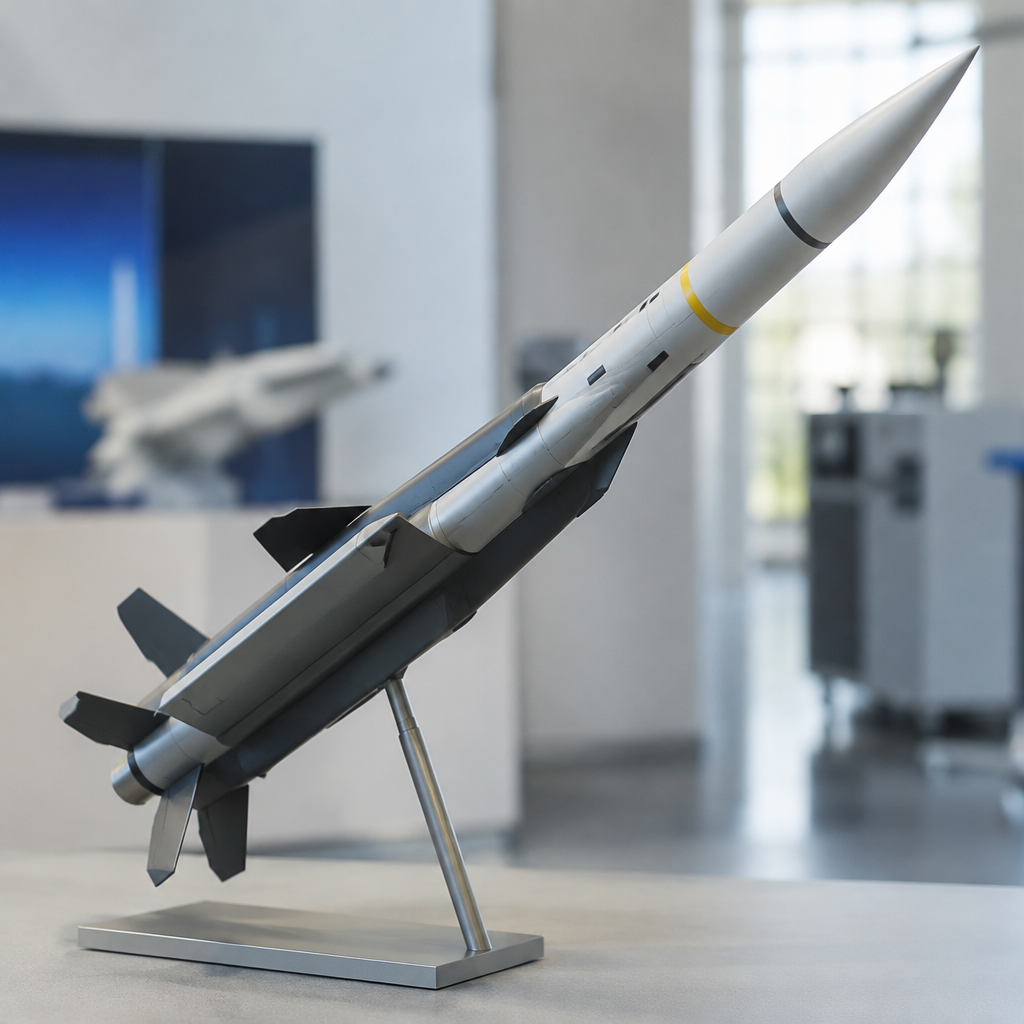
McDougall noted this scrutiny could affect U.S. companies across product classes—from "high-end stuff like the F-35, to munitions, to smaller components"—and that overlapping operational demands from conflicts such as "the Iran war [and] aid to Ukraine" could influence acquisition trends. He flagged demand for "missile defense, [counterdrone] capabilities, low-cost interceptors, low-cost munitions" as areas with present demand but with short-term outlooks sensitive to how the conflicts and U.S. policy evolve.
DISA's Olympus Fires and tactical data-sharing demonstrations
Outside the Hill, the Defense Information Systems Agency completed its Olympus Fires exercise in Hawaii with coalition partners and components in the Pacific, aiming to put everyone "in the same digital environment to share the data needed to find and precisely shoot a target." Col. Michael Hlad, commander of DISA's Pacific regional field command, described a demonstration where a Marine Corps ANGLICO team located a target that was then "executed by a Canadian shooter."
Early takeaways included "a clear understanding of what's capable from a coalition environment" and plans to expand the series to examine logistics and maneuver. General Dynamics Information Technology's Vion Edge was also tested; Jason Myers, GDIT's vice president of defense agencies, said it demonstrated "a tactical kit that provides all of your core [mission partner environment] services…when a network may go down temporarily." He recounted a case where one service moved logs onto the platform and used its AI capability to diagnose and restore the network within hours.
How newer defense companies, general counsels, and procurement leaders should act
- Newer defense companies: Take an inventory of board relationships and any connections to the Trump administration, and assess whether your work touches the three areas Moore named—Iran, Venezuela, and AI policy—that are likely to attract Congressional interest.
- General counsels and legal teams: Re-examine assumptions about privilege and work product protections in light of Moore's warning that Congress recognizes such privileges "at their discretion," and prepare for tight response timelines when a Congressional letter arrives.
- Procurement and program managers: Track potential friction around foreign military sales highlighted by Shaun McDougall—particularly deals considered controversial—and monitor demand signals for missile defense, counterdrone, and low-cost munitions tied to ongoing conflicts.
The immediate imperative, as the reporting records it, is procedural and practical: firms should organize around risk now rather than wait for an inquiry letter that may demand an answer within roughly two weeks. Between the legal exposure Moore describes, the geopolitical focus McDougall maps, and DISA's push to operationalize coalition data-sharing, the defense business community faces a short, defined list of issues to inventory and explain when the new Congress takes its oversight seat.