"The military’s ability to fight modern wars and the ability of officers to command at all levels are insufficient," the PLA Daily has warned, a refrain that has appeared more than 150 times since 2015.
Xi Jinping and the CCP's chosen remedy: more political education
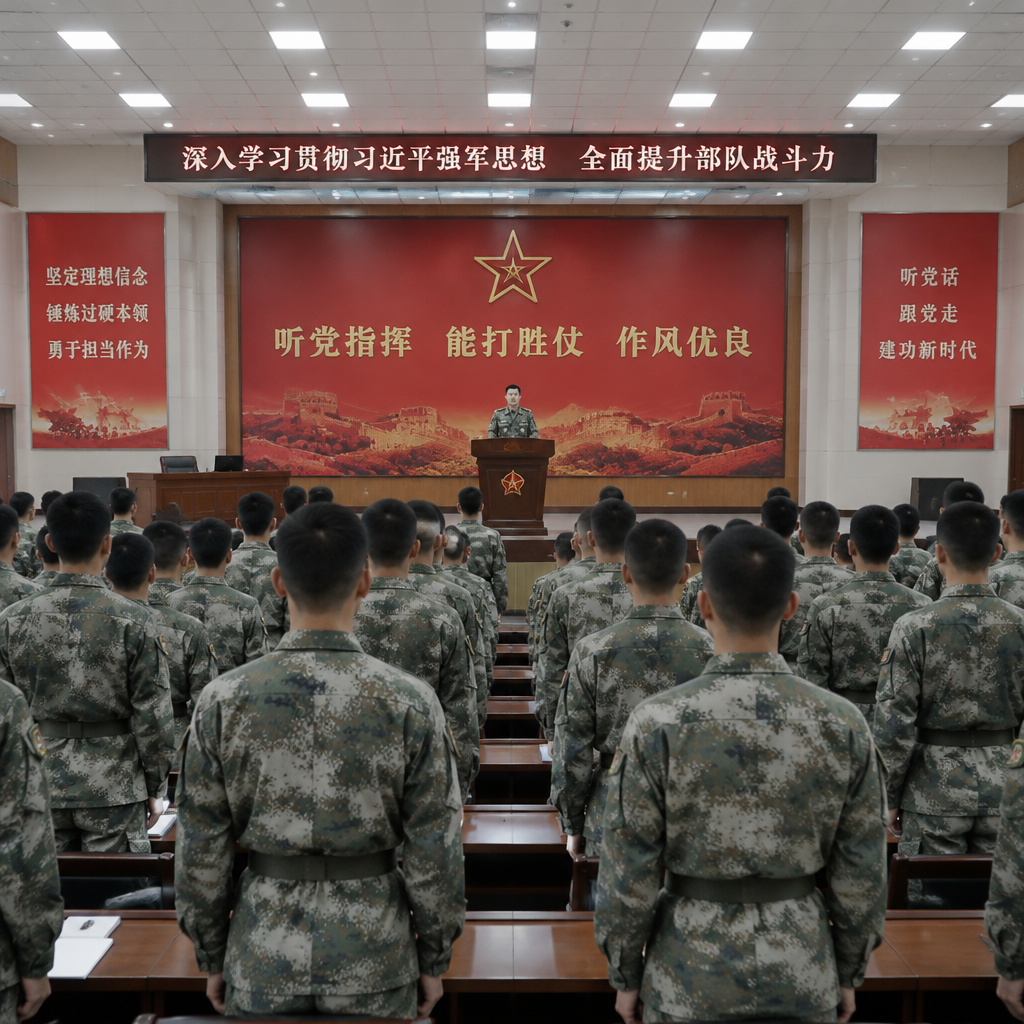
President Xi Jinping and the Chinese Communist Party acknowledge a raft of professional shortcomings within the People’s Liberation Army (PLA)—from corruption and weak leadership to stove‑piped training and slow doctrine development. According to the ASPI explainer, rather than changing the institutional incentives or professional practices that underpin those problems, Xi and the party are treating them primarily as failures of political loyalty and ideology. The response, the source says, has been a steady intensification of political education and indoctrination as the preferred cure, alongside continuing purges of senior officers.
The slogans: 'Two Insufficiencies' and the 'Five Incapables'
The PLA's internal critique has been codified in a pair of linked slogans that have become commonplace in official media. The so‑called "Two Insufficiencies" identify a shortfall in the force's ability to fight modern wars and in officers' capacity to command across levels. The "Five Incapables" cast officers as unable to judge situations, understand higher authorities’ intentions, make operational decisions, deploy forces or handle unexpected events. The frequency of these slogans in the PLA Daily underscores that Beijing views the problem as systemic and ideological as much as technical.

Audit-ready is a season. It shouldn't be.
Evidence in spreadsheets, controls drifting between audits, frameworks multiplying on flat headcount. Nubivance runs continuous compliance on Rapid7 Cyber GRC - SOC 2, HIPAA, ISO 27001, PCI, CMMC.
End the scrambleCorruption, purges and the limits of reform by discipline
State media, the source reports, has long documented corruption "from junior to senior" ranks and has described efforts to hunt "big tigers," clear out "grain rats" and dig out "woodworms" from the military. Since Xi came to power in 2012, the party has run repeated anti‑corruption campaigns inside the PLA. Yet the continued purges of senior officers more than a decade later suggest corruption remains a significant problem. For Xi and the party, corruption is framed as "a symptom of ideological deviance" that must be rooted out—hence the emphasis on political remedies rather than, for example, structural or procedural fixes.
Joint training, doctrine development and military education shortfalls
The source draws attention to persistent stove‑piping despite frequent references to "joint training" in PLA reporting. While joint training—defined in the source as integrating maritime, air, land, space and cyber capabilities to achieve effects larger than the sum of parts—appears in official language, closer inspection often shows the term being applied to single‑service activity. PLA Daily reporting this year, the source says, also signals that doctrine and fighting‑concept development systems are ill‑equipped to drive rapid force design or improved readiness. Military academic institutions have been singled out by Xi for formalism, bureaucracy, hedonism and waste, implying those schools are somewhat isolated from the rest of the force and their curricula divorced from operational needs.
What this means for Australia and its allies, PLA officers, and military educators
- Australia and its allies and partners: The source argues that a PLA focused on political indoctrination rather than professional military development strengthens deterrence for those states, because superiority will depend not only on hardware but on professional leadership, joint and coalition operations and mature fighting concepts.
- PLA officers and commanders: The emphasis on ideological correctness risks rewarding advice that is politically aligned rather than operationally objective, the source warns—potentially producing overconfidence or miscalculation in decision making.
- Military academic institutions and doctrine developers: The critique of formalism and isolation suggests these institutions may face intensified political oversight and pressure to align curricula with party priorities rather than with rapid, practice‑oriented doctrinal reform.
The net effect, as laid out in the ASPI piece, is a double‑edged weakness. First, time and attention that could be spent on leadership development, ethics, morale, training systems and doctrine may instead be consumed by political work. Second, military advice presented to the party could become ideologically compliant rather than operationally candid—raising the risk that political and military leaders will make choices driven by ideological fitness rather than objective appraisal.
Whether intensified political education will resolve the PLA's "intangible faults" or intensify them remains the central, unanswered question in the source. For now, the party has chosen loyalty as the metric of reform; the implications for the PLA’s professional competence, and for regional deterrence calculations, will play out in the years to come.