"Not directed against any third party," China said when it announced the opening on September 29 of an air force support and training center at Ban Keun Airport in Laos. The statement underscored Beijing's public framing of the site as a bilateral training and support facility even as the installation quietly expands the People’s Liberation Army’s foothold in mainland Southeast Asia.
China-Laos Joint Support and Training Center and the Friendship Aviation Academy
China’s Ministry of National Defense announced that the China-Laos Joint Support and Training Center and the China-Laos Friendship Aviation Academy have formally begun operations at Ban Keun Airport. According to the ministry, the two facilities are primarily intended to assist in the training of Lao Air Force pilots and will be jointly maintained and operated by China and Laos. Beijing did not disclose numbers of Chinese personnel or the types and quantities of equipment stationed at the site. The official line is that the facilities comply with both countries’ laws and with international law.
Ban Keun Airport: location, history, and logistics
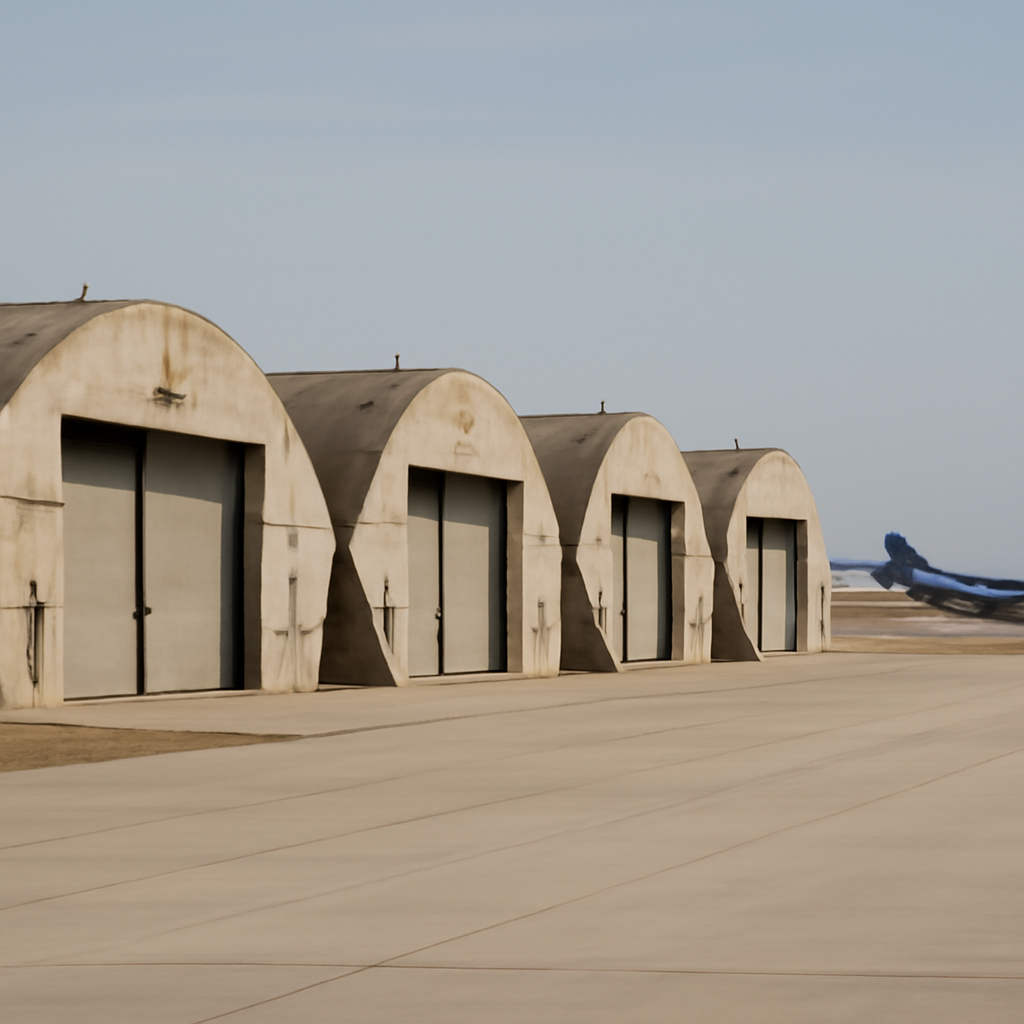
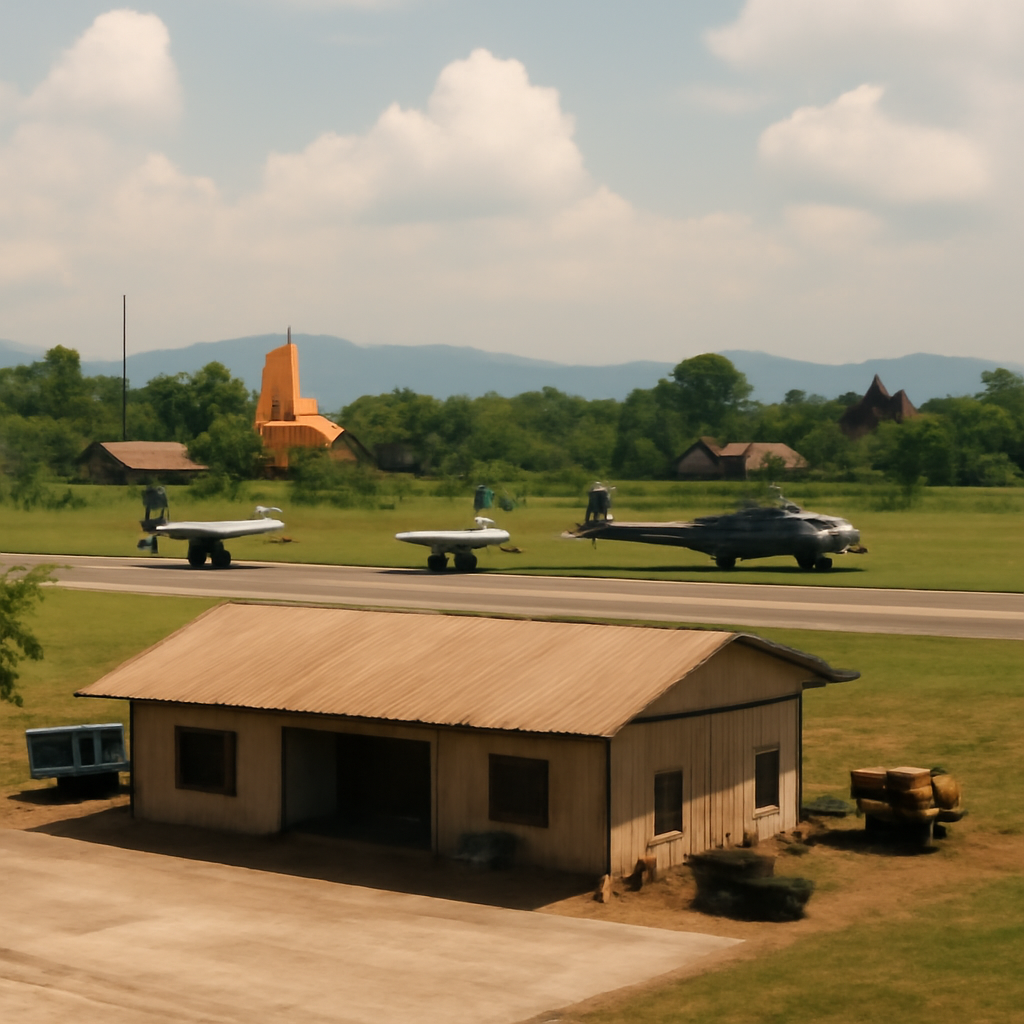
Ban Keun Airport sits in Vientiane Province in northwestern Laos, roughly 45 kilometers from the capital, Vientiane. Satellite imagery indicates construction began around October of last year and by September this year the facility had reached a considerable scale; its longest runway measures approximately 2,000 meters. The site occupies a central position in mainland Southeast Asia and lies close to the China-Laos Railway, which runs just north of Vientiane. That rail connection gives the facility a logistical advantage: personnel and certain equipment sent from China could move by rail rather than relying solely on air transport.
The area also has historical precedent as part of a local airfield network during the Vietnam War and the Laotian Civil War in the 1970s, though Ban Keun later ceased operations before the recent redevelopment.

Audit-ready is a season. It shouldn't be.
Evidence in spreadsheets, controls drifting between audits, frameworks multiplying on flat headcount. Nubivance runs continuous compliance on Rapid7 Cyber GRC - SOC 2, HIPAA, ISO 27001, PCI, CMMC.
End the scrambleHow Ban Keun complements China’s other overseas facilities
Ban Keun is the first publicly acknowledged overseas Chinese facility centered on airpower, a contrast with China’s other known sites in Djibouti and in Cambodia that have been largely associated with naval operations. China’s continued use of a “joint training center” model — also applied in Cambodia — suggests a gradual approach to expanding an overseas military presence: initially cooperative and bilateral, but structured in a way that could allow a deeper Chinese presence over time. Observers note a similar logistical logic at Ream in Cambodia, where future railway links could likewise enhance a facility’s value.
Operational reach: transit, projection, and limits
Analysts emphasize that Ban Keun is unlikely to be primarily intended for operations in the South China Sea, where China already maintains facilities on Woody Island that can serve as forward bases. Instead, Ban Keun’s greatest immediate value is as a transit and staging airfield for the PLA Air Force. From Ban Keun, aircraft would gain operational reach toward Myanmar and farther south toward Singapore, positioning the facility to support PLA operations across a broad swath of Southeast Asia.
That reach has strategic implications. Although the site “currently poses only a limited direct threat to Taiwan Strait security,” the facility enhances China’s broader capacity to project military power abroad and to place pressure on U.S. naval forces operating around Singapore. The presence of an additional mainland staging and transit field could complicate U.S. operations in the Gulf of Thailand, the Andaman Sea, and even the Strait of Malacca.
What this means for the United States, Singapore, and Laos
- The United States: U.S. naval and aviation planners will note Ban Keun’s potential to affect operations and logistics in the southern approaches to the South China Sea, particularly around Singapore — a region identified as important for replenishment and carrier rotations.
- Singapore (and Thailand): As important logistical and replenishment hubs for U.S. carrier operations, these countries fall within the operational range cited for aircraft operating from Ban Keun, a fact that could influence regional operational planning.
- Laos: The facilities are framed as bilateral training and support centers intended to build Lao Air Force capability; they will be jointly maintained and operated with Chinese participation, according to China’s announcement.
The inauguration of Ban Keun Airport on September 29 adds an aviation-focused node to China’s growing overseas portfolio of military-linked facilities. Its inland position, railway connectivity, and runway length make it useful as a transit and training hub rather than a forward maritime base, but its location near the center of mainland Southeast Asia gives it an outsized potential to affect regional logistics and power projection. What remains to be seen—and what the published announcement did not disclose—is whether Beijing will increase the scale of its personnel and equipment at Ban Keun over time, as the joint training-center model appears designed to permit.