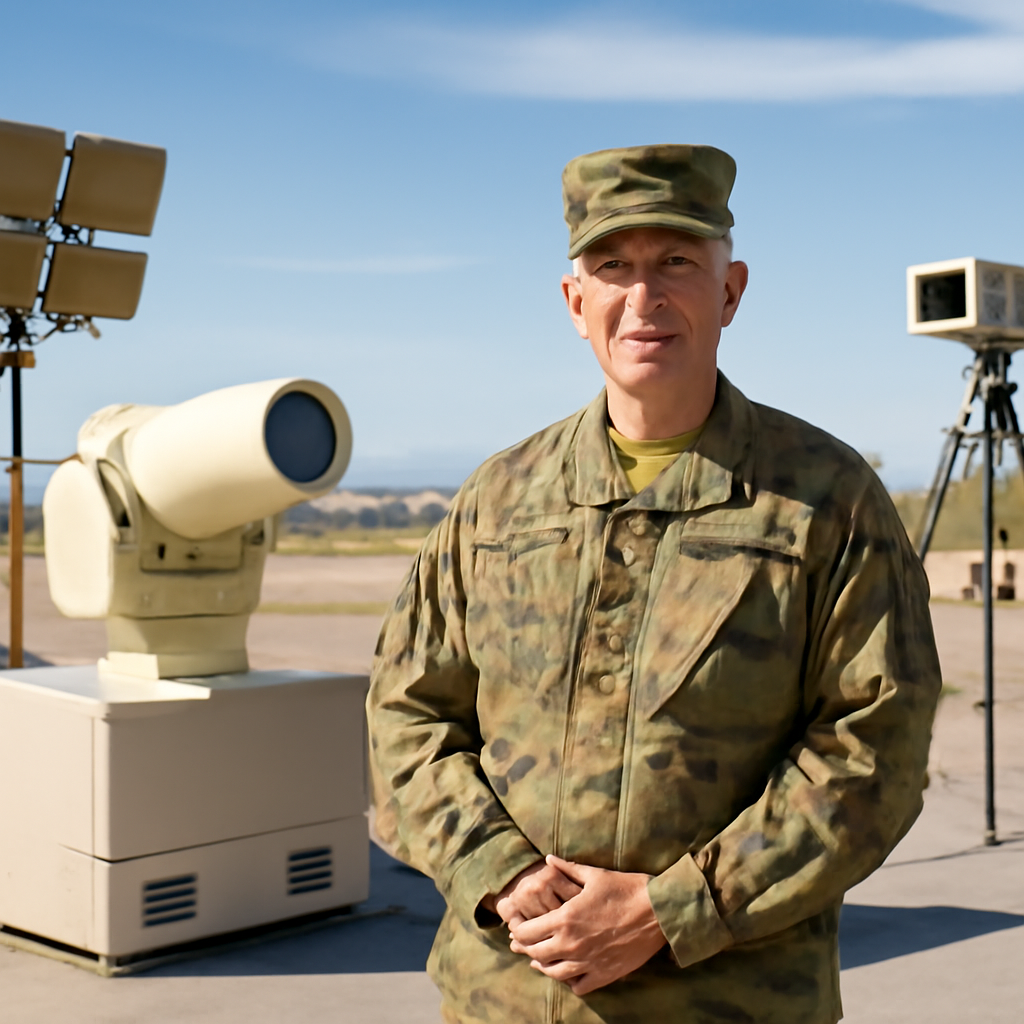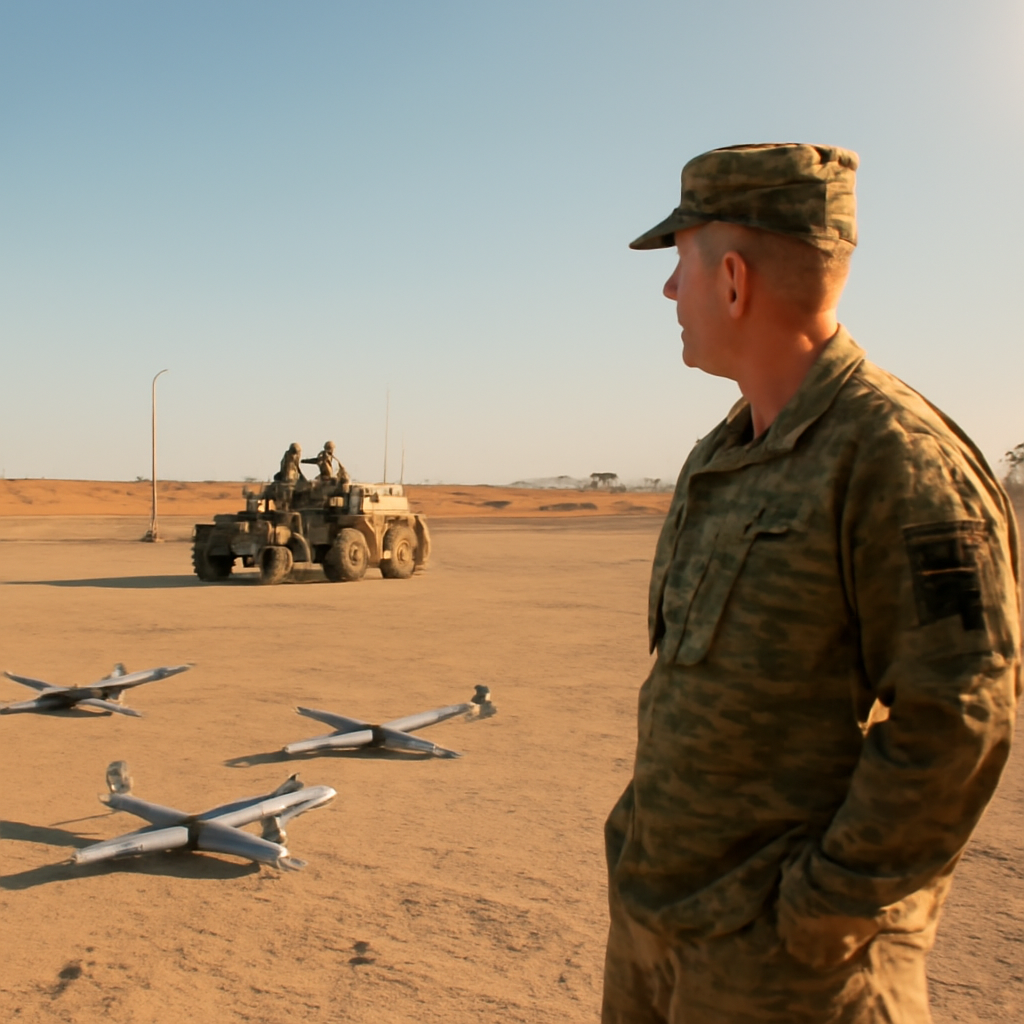
“Homeland defense is not about protecting from outside; it’s also protecting inside. We could do one without taking care of the other, and that’s not the right answer,” Brig. Gen. Jason Rueschhoff told reporters on Sept. 24 at Yuma Proving Ground, framing a shift in how the U.S. military plans to test counter-drone capabilities.
Falcon Peak 26.2 at Yuma Proving Ground: what was tested
Falcon Peak 26.2, the fourth iteration of the exercise run by NORTHCOM, brought together officials from the command, the Defense Innovation Unit, the Army-led Joint Interagency Task Force (JIATF) 401 and the Department of Homeland Security for nearly a month of live training in a near-vacant desert environment. According to participants, the teams tested ways to neutralize drone threats in the open desert—whether through electronic means or by blasting them out of the air—and learned how heat, wind and sand can wreak havoc on different systems.
Why the next exercise will move into a bustling city
Military leaders said the next large-scale Falcon Peak exercise, scheduled for about a year from now, will take place in a congested urban setting. Marine Col. Scott Humr, deputy director of science and technology for JIATF 401, explained the rationale: urban defense raises physical, operational and legal challenges that do not exist on an open test range. Dense buildings, electronic “congestion” and other physical obstacles create signal interference and can “block the line-of-sight required for conventional radars and cameras,” he said.

This site is the portfolio.
OSINTSights runs on Cloudflare Workers, D1, R2, and Vectorize, with an AI pipeline on Hetzner ARM. Nubivance designed, built, and operates it. We do the same for clients.
See what we buildOperational and legal constraints in the homeland
Humr cautioned that “legally and operationally, defending urban areas in the homeland requires navigating strict domestic policies, complex jurisdictional boundaries and heightened collateral-damage concerns that are not present on an open test range.” Brig. Gen. Rueschhoff echoed that concern, naming collateral damage as “the big things for us to be focused on.” The implication from both was clear: tools and tactics acceptable on a desert range will not translate directly into a populated city.
Coordination lessons: JIATF 401, DHS and the FAA
Humr described JIATF 401’s “primary takeaway” as the need for a “highly coordinated” interagency approach, specifically calling out close work with DHS and the Federal Aviation Administration. Past incidents underscore the sensitivity of that coordination: in February, the FAA suddenly shut down the airspace around the busy El Paso airport; investigators later determined the emergency was related to a miscommunication between federal agencies about the use of a counter-drone laser by Customs and Border Patrol, on loan from the Army.
Since that incident, military officials have emphasized closer coordination with the FAA, culminating in a joint agreement for a laser system to protect the southern border. Brig. Gen. Matt Ross, JIATF 401’s commanding general, told reporters during Falcon Peak that the task force and the military continue to coordinate testing with the FAA.
Low-collateral and non-kinetic options will take priority
Training in the desert allowed blunt, kinetic responses—Humr noted in the open range there are “relatively few issues with using a shotgun to simply blast a quadcopter out of the sky.” That option will not be acceptable in a city. Rueschhoff and Humr said the Pentagon and JIATF 401 will focus urban testing on low-collateral and non-kinetic options to make congested environments as safe as possible. The next Falcon Peak will therefore be a test not only of sensor fidelity and effectors, but of legal frameworks and rules of engagement in domestic urban settings.
What this means for JIATF 401, DHS, and the FAA
- JIATF 401: will prioritize interagency planning and technology trade-offs that reduce collateral effects while maintaining operational reach in cluttered environments.
- DHS: will be a central partner in urban exercises, helping translate domestic policy constraints into practical employment of counter-drone tools around civilians and critical infrastructure.
- FAA: will remain a gating stakeholder for tests that intersect civilian airspace, building on recent coordination and the joint agreement for a laser system to avoid the kinds of miscommunications that prompted a February airspace shutdown near El Paso.
Brig. Gen. Rueschhoff summed the programmatic intent plainly: the urban exercise will be “really telling for capabilities, and this will get at more than just our borders.” The next Falcon Peak iteration will put that assertion to the test—measuring not only technical performance in a cluttered electromagnetic and physical environment, but also whether interagency processes and legal guardrails can keep civilian risk acceptably low while countering aerial threats.