[SPONSOREDNUBIVANCE]
Rapid7 deployed right the first time.
Full-platform Rapid7 rollouts - InsightVM, InsightIDR, event sources, agents, tuning - by a Registered Partner who has done it at state-agency scale, including OT/SCADA.
Talk deployment
As President Trump recently issued an executive order calling on AI companies to voluntarily share their most powerful models with the US government, concerns linger about the lack of concrete safety and security oversight. It's now up to Congress to step in and address the potential risks without stifling innovation or compromising free expression.

UK banks are now part of an exclusive group gaining early access to OpenAI's cutting-edge GPT-5.5 Cyber model, a powerful AI tool designed to bolster their defenses against sophisticated cyber threats. This move comes as Anthropic's rival program, Project Glasswing, expands to 200 partners, leaving some UK banks to tap into OpenAI's innovative solution instead.

The White House has issued an executive order establishing a voluntary framework for AI oversight, with the NSA at the helm, to assess and benchmark the cyber capabilities of advanced AI models. This move puts the NSA in a central role in shaping the development of AI, sparking debate about the implications of government oversight.

The White House has issued a new directive requiring companies to give the federal government 30 days' notice before publicly releasing advanced AI systems, a move aimed at balancing innovation with cybersecurity concerns. This change, down from a proposed 90 days, marks a significant shift in federal oversight of AI technology.

Imagine a high-stakes, thousand-mile e-bike race through the harsh Baja Desert - that's where a cutting-edge military AI platform is being put to the test. This innovative technology, developed by GDIT and AWS, is designed to revolutionize energy management in challenging environments.

As Robinhood rolls out AI-powered trading and credit card features, experts are sounding the alarm on potential accountability and security risks - but the company claims it's prioritizing safety with built-in controls. Can AI agents truly be trusted to make trades and purchases on our behalf?

The US government has made a groundbreaking $2 billion investment in quantum computing, taking a significant stake in nine key companies to cement its lead in this critical technology. This move signals a major shift in Washington's approach, recognizing quantum computing as a vital national asset rather than a speculative bet.

US Special Ops Forces are leveraging AI to gain a strategic edge in remote warfare, with a focus on harnessing generative AI for tactical operations and resource allocation. They're now pushing to deploy AI capabilities to the tactical edge, enabling faster decision-making in disconnected environments.
Full-platform Rapid7 rollouts - InsightVM, InsightIDR, event sources, agents, tuning - by a Registered Partner who has done it at state-agency scale, including OT/SCADA.
Talk deployment
Microsoft is taking a major leap forward in AI safety with the launch of RAMPART, an open-source tool that automates red-teaming for agentic AI applications, helping to prevent real-world attacks like prompt injection. By integrating RAMPART into its CI/CD pipelines, Microsoft is turning AI safety from a philosophy into a practical engineering discipline.

As federal agencies increasingly integrate AI into their facilities, they're facing a major hurdle: outdated legacy systems that require a fresh, open systems approach to support the technology. This critical upgrade is essential to unlock AI's full potential and drive vital service delivery improvements.

A Department of Justice attorney warned that a faulty AI model in military ops could have disastrous consequences, putting service members' lives at risk. Anthropic is challenging the Pentagon's decision to label it a national security risk, sparking a heated debate in the courts.

The US risks losing its lead in artificial intelligence to China by 2028 unless export controls on advanced computer chips are tightened, according to a report by Anthropic. Without stricter controls, the US advantage in frontier AI development will quickly narrow.
As countries like Australia scramble to access cutting-edge AI models, a harsh reality sets in: national security will take precedence, and access can't be taken for granted. It's time for Australia to develop a plan to stay ahead in the AI game.

The arrival of advanced artificial intelligence models marks a revolutionary turning point for US cyber operations, transforming the landscape of warfare, according to Paul Lyons, a top Pentagon cyber official. This game-changing tech, developed by American companies, presents a huge opportunity for the US to gain a cutting-edge advantage.

The UK's AI Security Institute has revealed a major breakthrough in autonomous cyber capabilities, with frontier AI models now completing complex cyber tasks independently at an unprecedented pace. In simulated tests, Anthropic's Claude Mythos Preview model smashed benchmarks, solving multi-stage attacks with ease.

The UK's AI Security Institute just put GPT-5.5 to the test, and the results are impressive: it can detect security vulnerabilities on par with the highly-regarded Claude Mythos. This achievement is especially significant since GPT-5.5 is widely available for use.
Evidence in spreadsheets, controls drifting between audits, frameworks multiplying on flat headcount. Nubivance runs continuous compliance on Rapid7 Cyber GRC - SOC 2, HIPAA, ISO 27001, PCI, CMMC.
End the scramble
Shouldn't our top spy agencies, like the National Security Agency, get early access to the most advanced AI models that can supercharge their hacking tools and keep us safe? It's a pressing debate in Washington, with lawmakers like Rep. Jim Himes making a strong case for giving them a front-row seat.

Microsoft CEO Satya Nadella took the stand to defend his company's whopping $13 billion investment in OpenAI, revealing that Elon Musk never expressed concerns about the deal. Nadella framed the investment as a strategic move to drive returns, with Microsoft viewing it as a chance to get in on the ground floor.
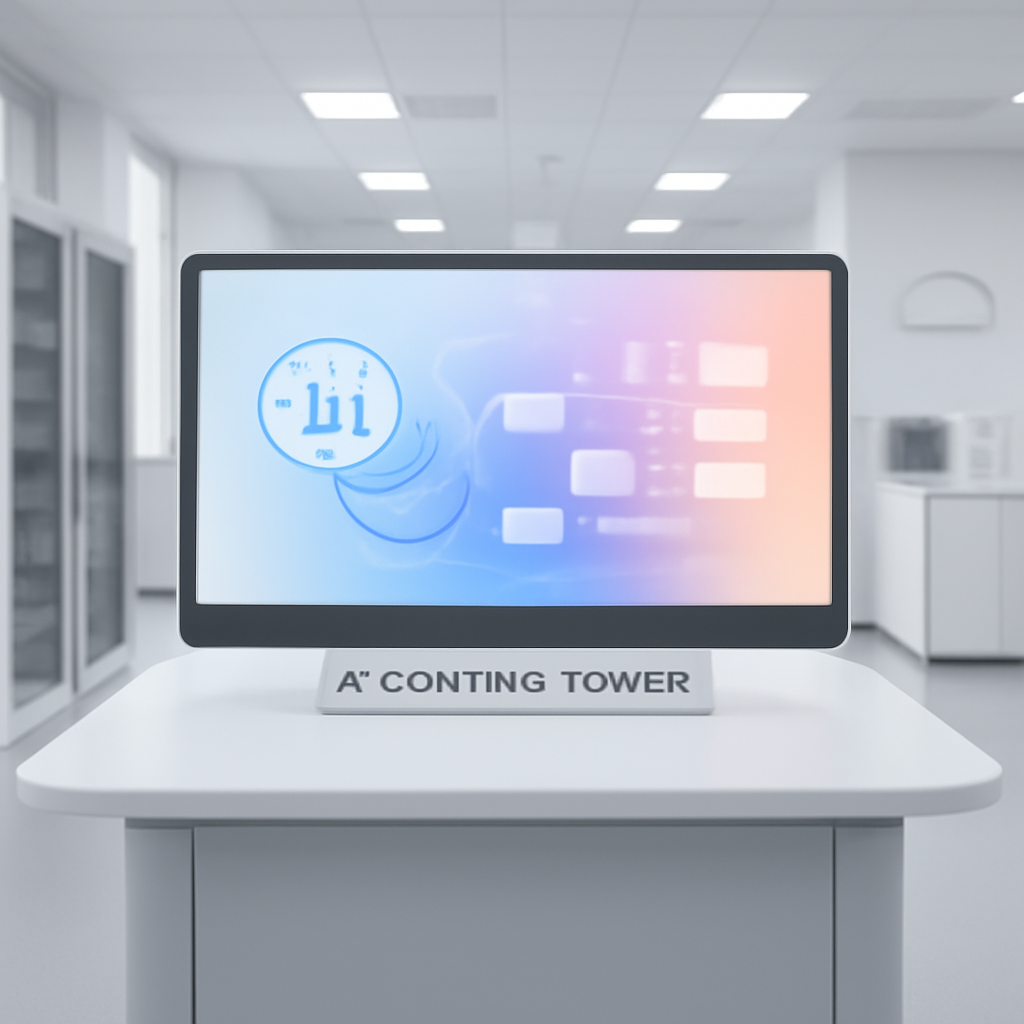
ServiceNow's AI Control Tower is revolutionizing enterprise AI governance, empowering businesses to discover, monitor, and control AI systems across multiple platforms and data sources. With its cutting-edge command center, companies can now govern their AI agents, models, and workflows with unprecedented visibility and control.

Europe's AI Act regulations just got a major update, with lawmakers agreeing to ease rules and delay enforcement to give innovators and startups a fair shot. The new deal sets a more relaxed timeline, with high-risk AI requirements now expected to kick in by December 2027.
The National Geospatial-Intelligence Agency is set to unveil an AI framework that will revolutionize its GEOINT capabilities, amplifying human judgment rather than replacing it. This blueprint for becoming an AI-first organization will align with the department's AI strategy, driving innovation and goal-oriented projects.
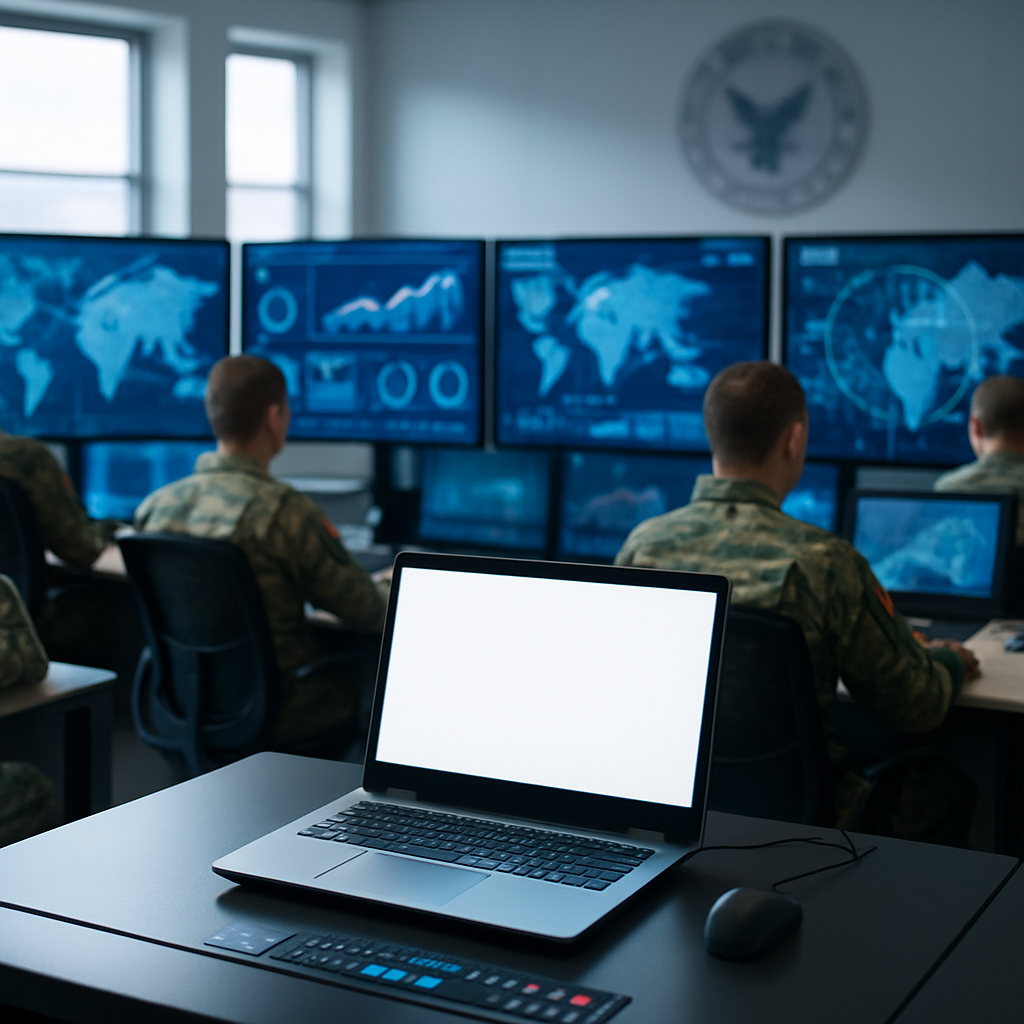
The Air Force is taking a major leap forward by exploring the integration of AI into its Air Operations Command system, with the goal of equipping planners and operators with cutting-edge tools to stay ahead in the game. By engaging with industry leaders, the government aims to spark innovation and maximize competition for this critical upgrade.

Imagine a future where life-changing breakthroughs aren't held back by slow and familiar research methods - the Advanced Research Projects Agency for Health is making this a reality with a bold new AI plan. By harnessing the power of artificial intelligence, they aim to turbocharge biomedical research and deliver results up to ten times faster.

ServiceNow's AI Command Center brings order to enterprise AI assets, ensuring every system is secure, compliant, and aligned with your business strategy. This powerful tool tackles AI agent sprawl by offering a unified control tower across five key areas: discovery, observation, governance, security, and measurement.