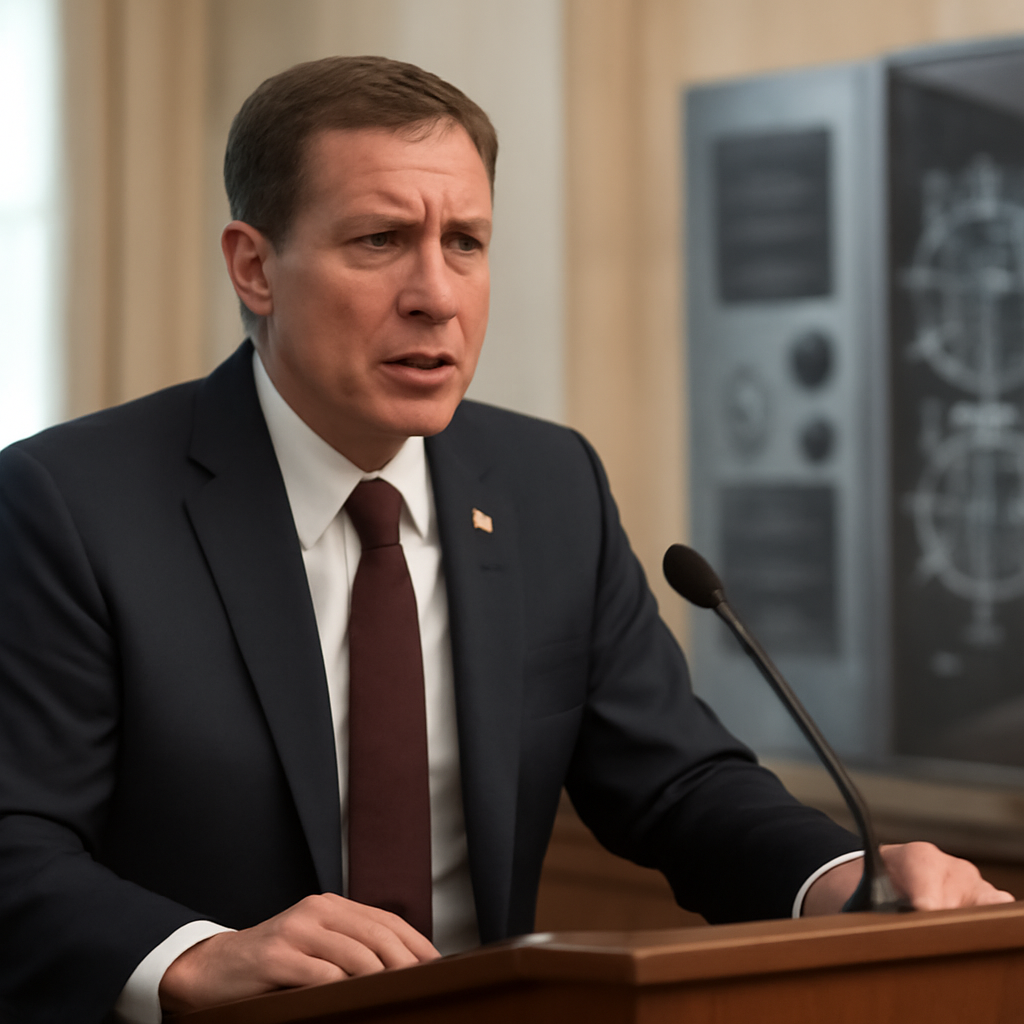
"It has always been my view that the nonprofit approved the creation of the for-profit so that they could pursue the mission," Nadella said.
Nadella's account of the $13 billion relationship
Microsoft Chief Executive Satya Nadella spent more than two hours on the stand Monday in Oakland federal court defending the company's $13 billion investment in OpenAI. Nadella testified that Elon Musk "never raised concerns" with him about Microsoft's investment violating any special terms or commitments, and that Microsoft viewed the relationship from the start as an investment opportunity that expected returns on the steep discounts it provided for computing resources.
Microsoft's message to the jury was succinct: the company "came late to the party" in 2019 and entered into the structure OpenAI's board had already created. Nadella told jurors Microsoft had no indication from OpenAI or from Musk that any donations or agreements created conditions that would make Microsoft's investments improper.
Due diligence, written assurances, and the nonprofit board
Microsoft's attorneys presented a record they say shows extensive pre-investment diligence. The company stated it reviewed OpenAI's governance documents, IRS tax filings, and capitalization records prior to the 2019 investment and "found no evidence of conditions on Musk’s contributions." Microsoft also pointed to explicit contractual warranties in its 2019, 2021 and 2023 investment agreements in which OpenAI affirmed the deals would not violate any third-party rights.
Microsoft emphasized that OpenAI's IRS tax-exempt application listed no agreements with Musk in response to direct government questions about obligations to officers and donors, and that the OpenAI nonprofit board approved each transaction. In its court filing, Microsoft argued that receiving written assurances and watching the nonprofit board approve every deal three separate times left the company without reason to know of any alleged breach that Musk now raises.

Audit-ready is a season. It shouldn't be.
Evidence in spreadsheets, controls drifting between audits, frameworks multiplying on flat headcount. Nubivance runs continuous compliance on Rapid7 Cyber GRC - SOC 2, HIPAA, ISO 27001, PCI, CMMC.
End the scrambleSales, internal projections, and Musk's framing
Courtroom reporting introduced financial figures that have become central to Musk's narrative. As of March 2025, Microsoft had generated about $9.5 billion in sales from its OpenAI partnership, and an internal Microsoft projection presented at trial estimated a $92 billion return on the company's $13 billion OpenAI investment.
Musk's legal team used those numbers to frame Microsoft as an active conspirator in what they described as Sam Altman's alleged mission to "steal a charity." Microsoft disputed that characterization. Nadella said, "I'm very proud of the fact we took the risks when no one else was willing to sponsor this fledgling lab," stressing the company's view that its capital and discounted compute were tools to support a developing research operation rather than evidence of a secret conspiracy.
Nadella's reaction to Altman's November 2023 ouster
Nadella was questioned about Microsoft's role in returning Sam Altman to the CEO role after OpenAI's board fired him in November 2023. Text messages entered into evidence showed Altman asking Nadella whether he would approve of a new board that included former Treasury Secretary Lawrence Summers; Nadella replied, "Let me call Larry first."
On the stand, Nadella said he was "pretty surprised" to learn of Altman's ouster, that he had not been informed in advance, and that he was told only after being pulled from a meeting. He described the board's handling as "sort of amateur city" and said the explanations he received — that Altman had not been "sufficiently candid" with the board — "just didn't sort of suffice," given Microsoft's investment and deep partnership with the company.
What Microsoft, Elon Musk, and the advisory jury will watch for
- Microsoft: The company will be attentive to how the judge weighs the documentary record — the governance reviews, IRS filings, and contractual warranties — against Musk's allegations of undisclosed conditions tied to donations.
- Elon Musk: Musk's team is focused on the revenue and internal projection figures entered into evidence and the narrative that Microsoft and others profited from a structure he alleges violated OpenAI's founding commitments.
- The advisory jury and the judge: The advisory jury is scheduled to deliver its views the week of May 18; closing arguments were expected Thursday. The judge, however, is not bound by the jury's verdict and will independently determine damages and remedies.
With Sam Altman slated to take the stand Tuesday and Wednesday, the trial moves into its final phase. Closing arguments and the advisory jury's recommendations now stand between the courtroom record and a judge who will independently decide what, if any, relief should follow.