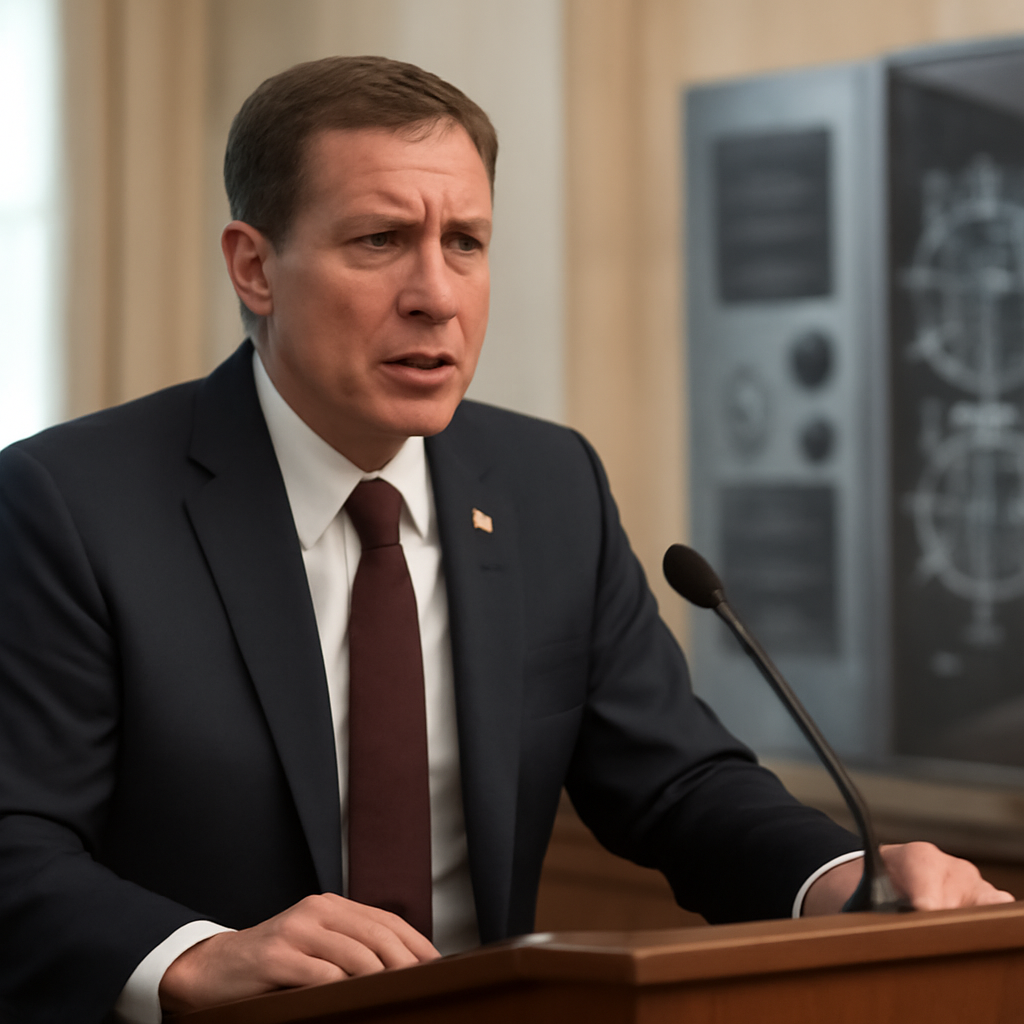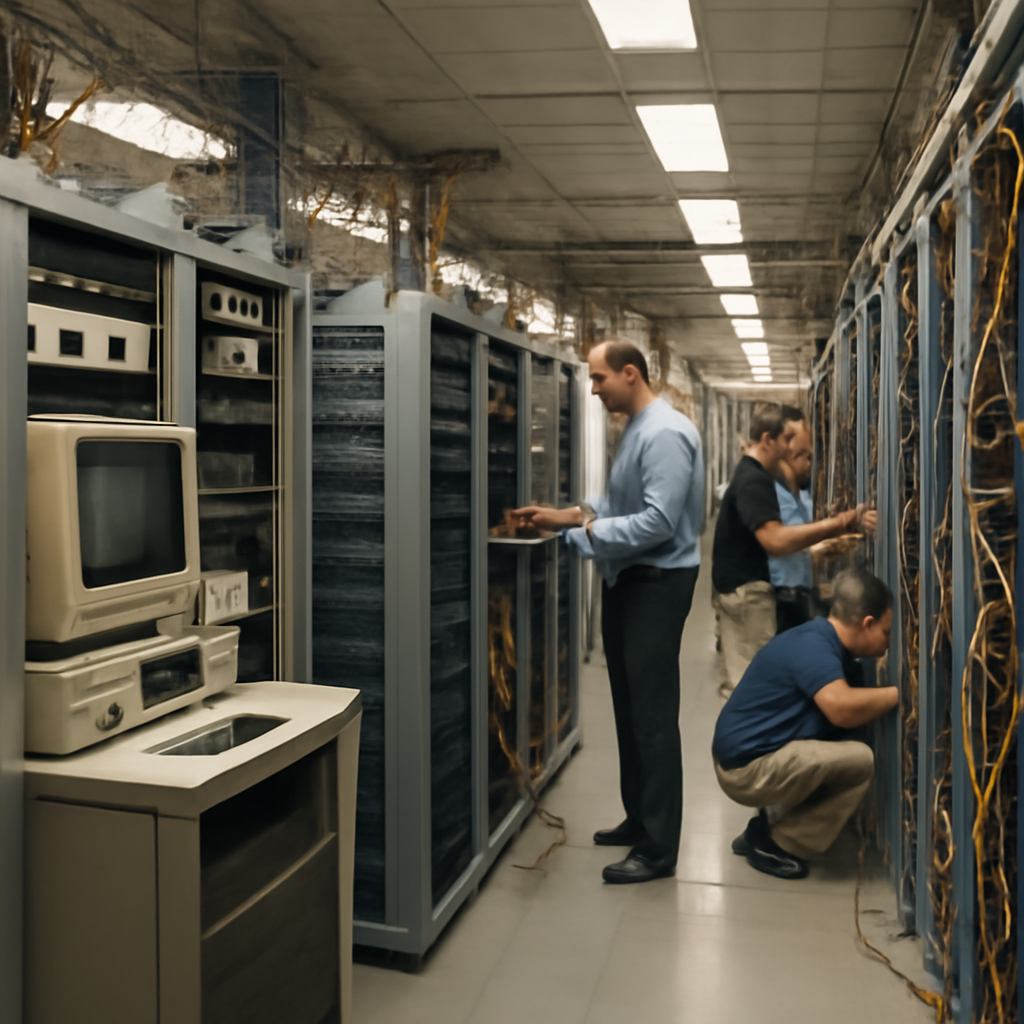
"[An open systems approach] is going to be a critical aspect of integrating AI into these facilities because of investments made on legacy systems," Michael Montgomery said.
Why AI is reshaping federal buildings
The federal workplace is no longer defined only by desks and meeting rooms; it is increasingly being built around artificial intelligence. The source frames AI in two distinct roles: predictive AI that "solves previously intractable challenges," enables "digital twinning," and supports "decision-advantage and operational superiority on the battlefield," and generative AI that "enables vital service delivery improvements." Those two capabilities are driving agencies to invest in AI across mission areas and facilities operations.
Powering and cooling: the immediate, practical bottleneck
Despite the promise, the report is explicit that agencies face hard, practical obstacles before realizing those gains. Two infrastructure problems stand out: powering the large-scale compute infrastructures AI requires, and cooling the server racks that form their backbone. The language is plain — agencies must "confront the challenges of powering the vast AI infrastructures they are building and cooling the racks of servers" — making clear these are not theoretical concerns but day-to-day operational constraints affecting any federal building planning AI deployments.

Audit-ready is a season. It shouldn't be.
Evidence in spreadsheets, controls drifting between audits, frameworks multiplying on flat headcount. Nubivance runs continuous compliance on Rapid7 Cyber GRC - SOC 2, HIPAA, ISO 27001, PCI, CMMC.
End the scrambleLegacy systems and the need for open integration
Chenega Architecture and Design Solutions' president Michael Montgomery framed another central tension: agencies have significant investments in legacy systems. Montgomery warned that an "open systems approach" will be "a critical aspect" of integrating AI because of those prior investments. He called for "an integration approach for these legacy systems with a roadmap to retire them," underscoring two parallel imperatives: make new capabilities work with what already exists, and sequence a planned retirement of older systems rather than abrupt replacement.
Predictive AI, digital twinning, and service delivery — the concrete use cases named
The source explicitly links predictive AI to three outcomes: solving previously intractable problems, enabling digital twinning, and supporting battlefield decision advantage and operational superiority. Generative AI is linked to "vital service delivery improvements." Those phrases identify where agencies are focusing effort: analytics and simulation (digital twins) on one hand, and enhanced citizen-facing or internal service workflows on the other.
What this means for federal facilities managers, procurement leaders, and IT teams
- Federal facilities managers and their teams will need to plan for increased power load and concrete cooling solutions as part of AI deployments; the source places them squarely in the role of addressing these "mission-critical challenges."
- Procurement leaders and program planners must prioritize integration strategies that accommodate legacy investments and include "a roadmap to retire them," making open systems a purchasing and lifecycle requirement rather than an optional architecture choice.
- IT teams and systems integrators will be tasked with marrying new predictive and generative AI platforms to existing infrastructure while ensuring that data center capacity, rack cooling, and power provisioning scale in step with AI compute demand.
Next steps and the immediate reporting rhythm
The coverage is part of a two-part interview series on the Government Technology Insider Podcast. Readers are invited to "subscribe to the Government Technology Insider Podcast or join our mailing list to be notified when the second part of our podcast premieres," indicating further technical and operational detail will follow in the next installment. For now, the record from Montgomery and the reporting is clear: federal agencies face a two-front challenge — the physical realities of power and cooling, and the architectural realities of legacy-system integration — that they must resolve to capture the benefits of both predictive and generative AI.