[SPONSOREDNUBIVANCE]
Rapid7 deployed right the first time.
Full-platform Rapid7 rollouts - InsightVM, InsightIDR, event sources, agents, tuning - by a Registered Partner who has done it at state-agency scale, including OT/SCADA.
Talk deployment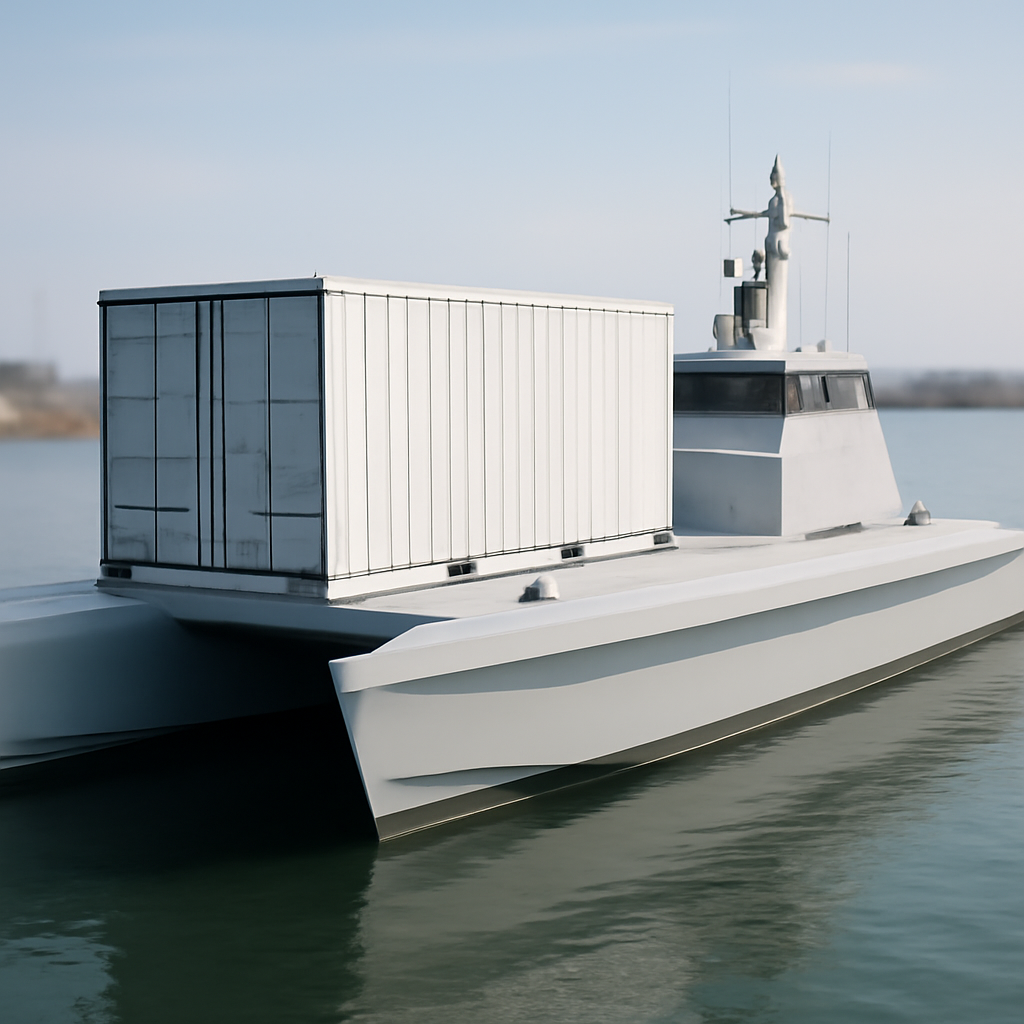
Meet the game-changing catamaran USV design from ARES Shipyard, a 22.5-metre vessel capable of carrying a single 40 ft shipping container, revolutionizing unmanned surface vessel capabilities. This innovative design boasts a spacious flatbed section, offering a significant upgrade from ARES's existing ULAQ family.
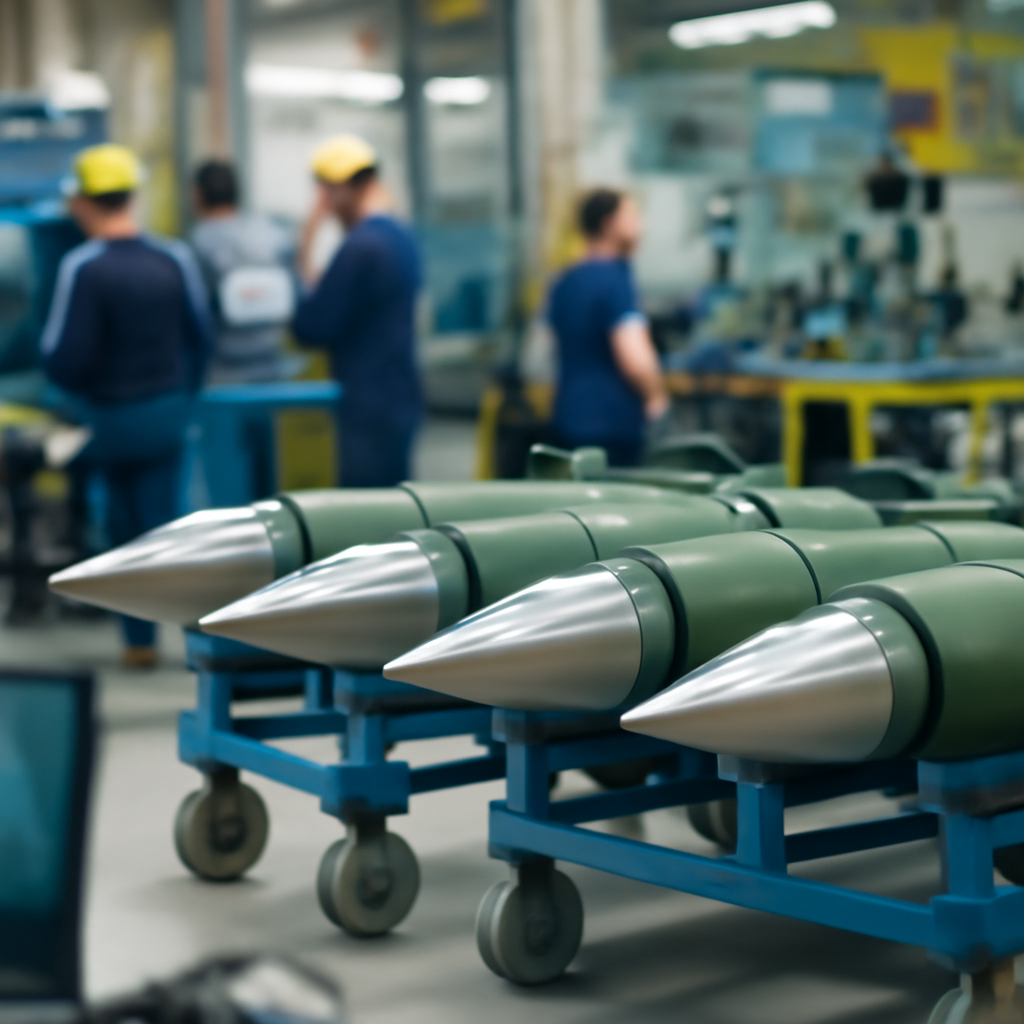
The Pentagon has sealed the deal with three suppliers - Anduril Industries, CoAspire, and Zone 5 Technologies - for low-cost cruise missiles, setting the stage for a modern arsenal. This multiyear agreement paves the way for affordable mass production of missiles.

EDGE Group is taking its aerospace ambitions to new heights with the acquisition of Akaer, a Brazilian engineering powerhouse, bringing unparalleled expertise to the table. This game-changing deal is set to supercharge EDGE's capabilities, with Akaer's impressive engineering footprint and program history poised to make a lasting impact.

Newly declassified intel reveals a shocking truth: China has collected and analyzed over 200 million US voter records, putting sensitive information at risk of being bought, hacked, or exploited. President Trump has vowed to take swift action to protect voter data and prevent future threats to election integrity.

The White House touted a prime-time speech as proof of foreign interference and widespread voter irregularities, but it fell flat, with critics calling it a dud. Despite claims of a bombshell, the declassified documents so far have failed to validate allegations of election compromise.

China is building a massive supply ship that has caught the world's attention, particularly in the US, as it signals a new era of maritime power. This hulking vessel, rising from the shipyard on Longxue Island, is set to support China's carrier groups and challenge traditional naval dominance.

Southeast Asia is rapidly upgrading its military arsenal, with Indonesia leading the charge with major deals, including the purchase of 42 Rafale fighter jets from France and talks to acquire South Korea's KF-21 Boramae fighters. The region's defense modernization is gaining momentum and shows no signs of slowing down.

Baykar's Kızılelma UCAV just hit a major milestone, successfully test-firing a Roketsan JET-230 air-launched ballistic missile, further cementing its status as a cutting-edge, strike-capable drone. This latest achievement builds on last year's groundbreaking radar-guided air-to-air missile launch from the same platform.
Full-platform Rapid7 rollouts - InsightVM, InsightIDR, event sources, agents, tuning - by a Registered Partner who has done it at state-agency scale, including OT/SCADA.
Talk deployment
The future of military capability hinges on a robust trusted information infrastructure that seamlessly connects autonomous systems, enabling secure and efficient data exchange. This backbone of innovation is now driving Western defense plans and funding.

One year after devastating layoffs slashed 1,350 jobs from the State Department, the effects are clear: a depleted workforce and a US diplomacy that's struggling to keep pace. The cuts have taken a profound toll, with voices from across the aisle and from former staff themselves warning of a dire impact.

The White House nominee to lead the US Space Force is pushing for a $71.1 billion budget, saying it's exactly what's needed to counter China's growing threat and ensure America's dominance in space. Lt. Gen. Douglas Schiess emphasized that the hefty budget is crucial for modernizing the Space Force and preparing for a potentially contested space domain.

The US Navy is setting its sights on a game-changing capability for carrier-based drone fleets: the ability to launch targeted attacks up to 1,000 miles away from aircraft carriers without needing to refuel. This ambitious goal is part of the Navy's vision for the future of naval aviation.
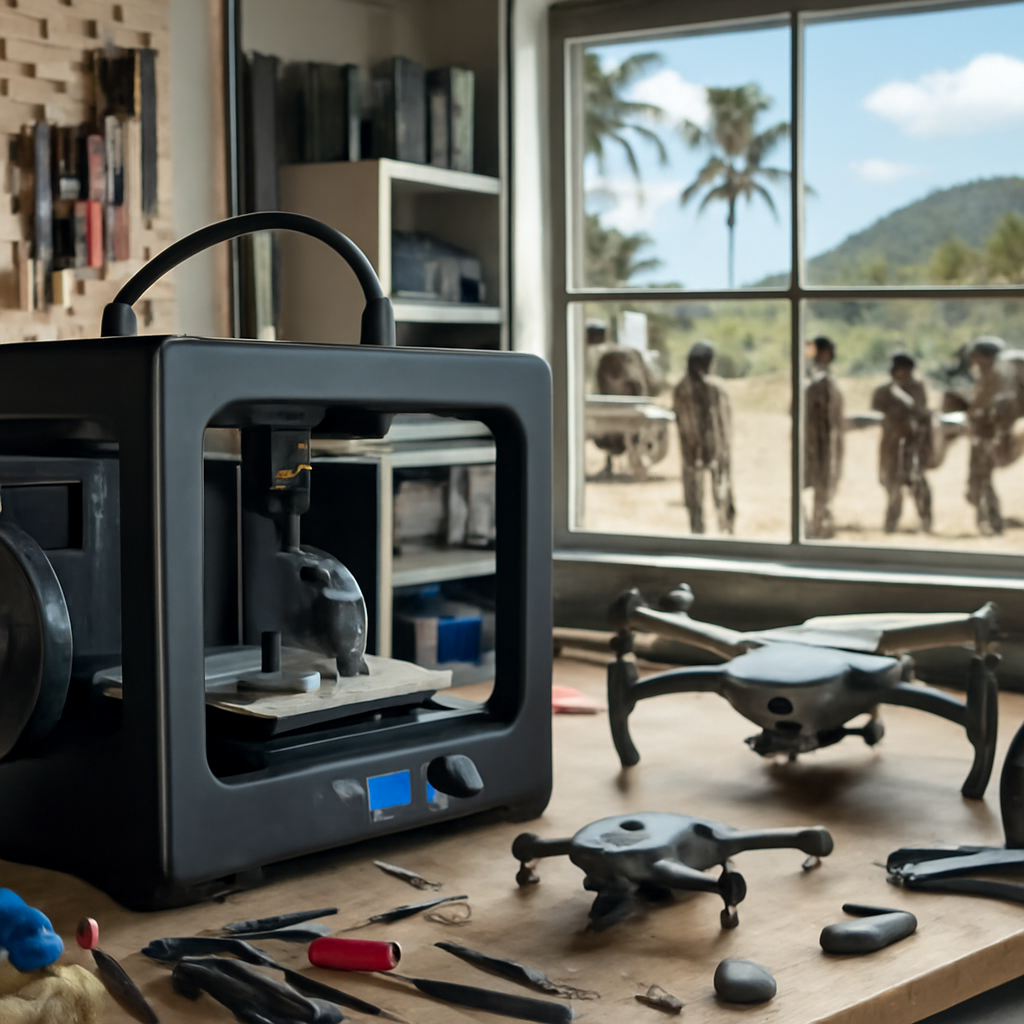
Imagine having manufacturing on demand, delivered at incredible speed and quality - that's what the US military is testing with drones and 3D printers to overcome vast distances in the Pacific. This game-changing approach could revolutionize the way the military gets the parts and supplies it needs, when and where it's needed.

Japan is revolutionizing its intelligence structure to strengthen its partnership with Australia, starting with a new National Intelligence Council and Agency that will oversee and streamline its intelligence operations. This overhaul will enable more secure and effective intelligence sharing, likened to pouring precious juice into sturdy cups.
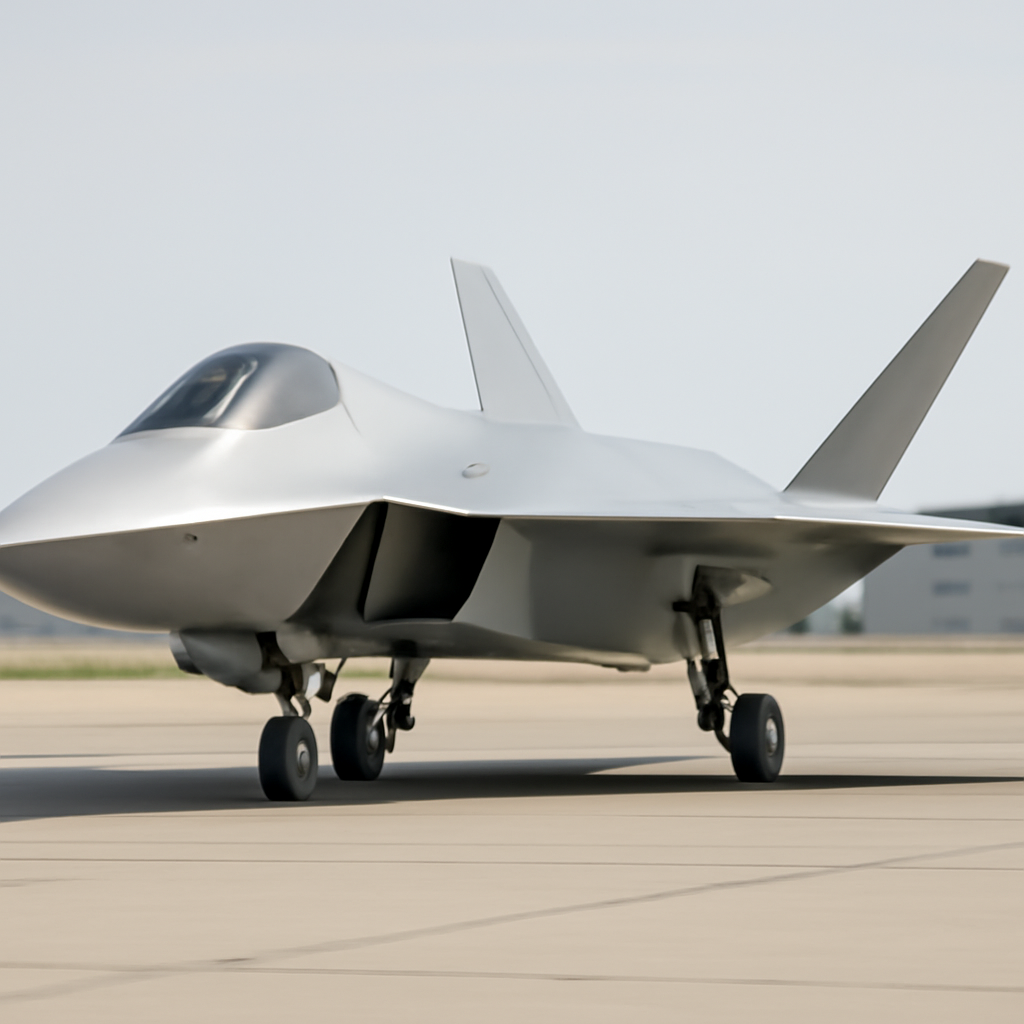
The UK is gearing up for future combat with the launch of the Storm Fighter Loyal Wingman program, a cutting-edge initiative that aims to supercharge its air power with a swarming fleet of drones, sixth-gen fighter jets, and advanced electronic warfare capabilities. Funded with $406 million, this bold move is set to revolutionize the Royal Air Force's capabilities.

The cancellation of the Royal International Air Tattoo has thrown the spotlight on the Farnborough International Air Show, now set to be the premier aerospace gathering of the summer. With tensions in the Middle East running high, all eyes will be on Farnborough from July 21 to 24.
Evidence in spreadsheets, controls drifting between audits, frameworks multiplying on flat headcount. Nubivance runs continuous compliance on Rapid7 Cyber GRC - SOC 2, HIPAA, ISO 27001, PCI, CMMC.
End the scramble
Military recruiters are revolutionizing their approach with mobile tech, making connectivity a powerful tool to engage prospects on-the-go. With real-time access, they can work from anywhere and stay connected with potential recruits.

South Korea is stepping up its defense game by deploying anti-drone netting in a recent logistics exercise, showcasing its commitment to protecting its operations from aerial threats. Check out the photos from the Combined Joint Logistics Over-the-Shore 26 exercise, where Republic of Korea service members used the innovative netting on a floating causeway.

Home Affairs Minister Tony Burke is standing firm on Australia's terrorism laws, rejecting a proposal to drop the religious motivation test, and instead choosing to maintain the current definition. This decision comes amid a push for an ideology-agnostic framework that focuses solely on harm.

Ukrainian President Volodymyr Zelenskyy has ousted Defense Minister Mikhailo Fedorov, citing the minister's unauthorized procurement decisions, a move that has sparked protests and concern among allies. The sudden dismissal follows a public feud with Gen. Oleksandr Syrskyi, commander-in-chief of the armed forces.

The Federal Rotational Cyber Workforce program, launched in 2022, has seen a surprisingly low uptake, with only eight participants out of 634 applicants, despite 13 agencies offering 106 positions. This falls short of its goal to develop a more versatile and agile cyber workforce.

Raytheon is seizing the spotlight at the Farnborough International Airshow, showcasing its battle-tested Coyote counter-UAS system, which has seen action in multiple theaters of operation. The company is leveraging real-world results to drive sales, with executive Joseph DeAntona touting the system's proven performance.

A potential deal for Pakistan to acquire 40 advanced J-35 fighter jets from China has been rumored since 2024, but remains unconfirmed - if finalized, it could drastically shift the balance of power on the Indian subcontinent. The sale would mark a significant boost for Pakistan's military, but China is reportedly exercising caution to avoid giving Islamabad too great an advantage.

The US military's high-stakes Operation Epic Fury in 2026 revealed a startling vulnerability: its arsenal of guided munitions was depleted faster than it could be replenished, forcing a strategic shift towards affordable, low-cost precision strikes. This pivot has put Iran in the crosshairs, as the US seeks to maintain its military edge without breaking the bank.