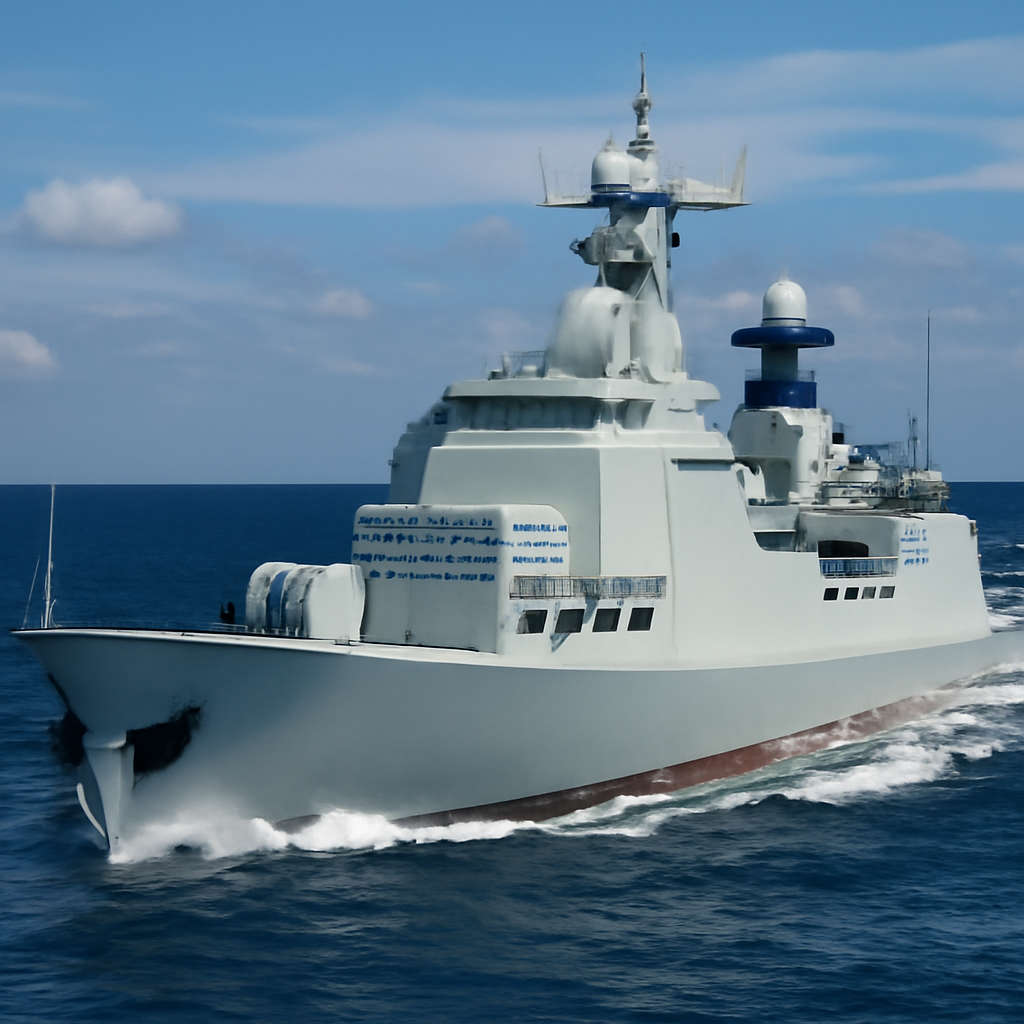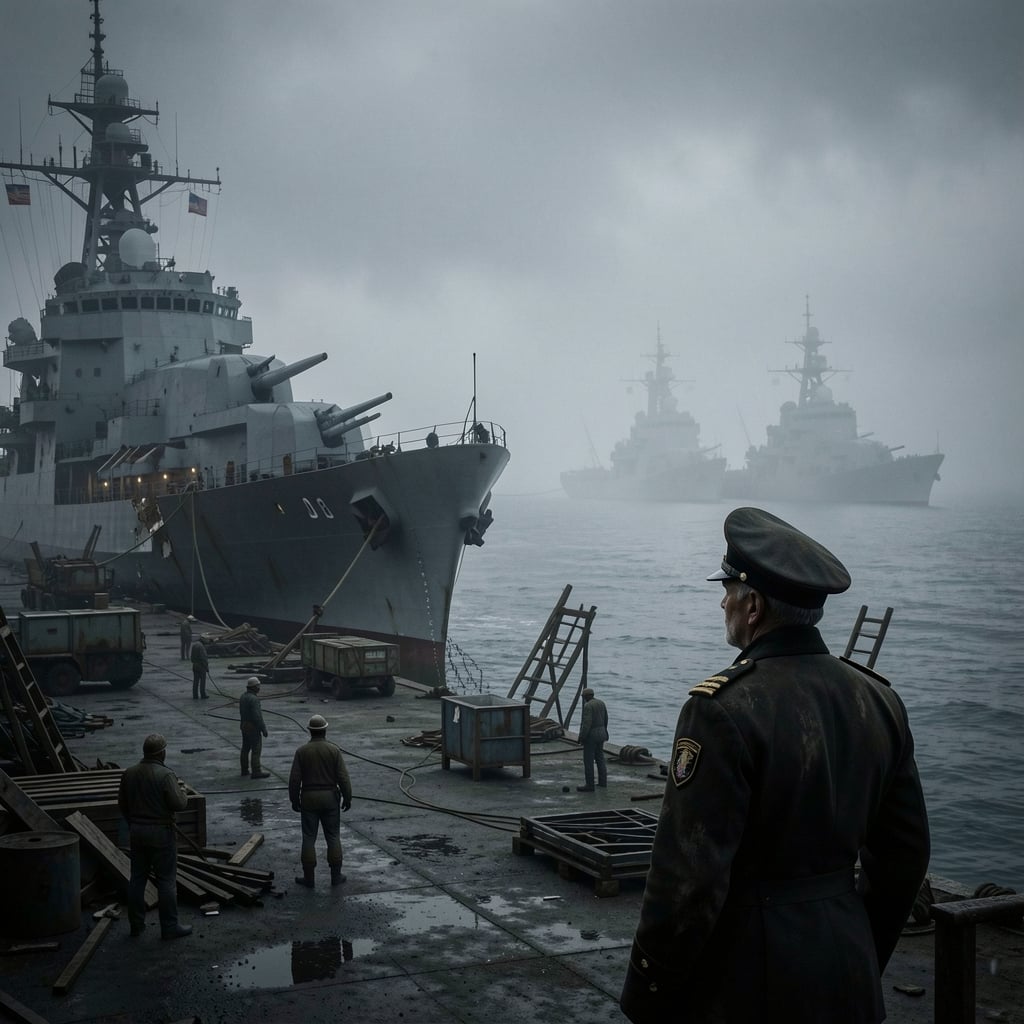
What happens when ambition collides with the balance sheet? A plan once aimed at equipping the Indian Navy with roughly 200 warships by 2027 has been scaled back — not by strategic reconsideration alone but by financial realities — leaving a projected fleet of about 170 vessels instead.
From Aspiration to Adjustment
The original objective envisioned a navy of about 200 warships in place by 2027. That target has been revised. Financial limitations now dictate a more modest flotilla of just 170 vessels. The change is straightforward in arithmetic but complex in implication: a reduction of roughly 15% from the earlier goal, arrived at because available funding does not meet the plan’s original requirements.
What the Numbers Mean
On their face, the figures tell a simple story of scale. A target of about 200 warships signals an intent to build breadth and capability; a revised total of 170 reflects a narrower reach. The cut is not merely cosmetic. For naval planners, each ship represents a platform for sensors, weapons, logistics, training and sustainment. Reducing the count compresses those systems into fewer hulls and forces trade-offs among ship type, capability levels, and timelines.

The cyber insurance questionnaire just landed. Now what?
SOC 2, HIPAA, insurance renewals - someone has to own security strategy. Nubivance provides fractional CISO leadership without the full-time salary.
Get a security leadDifferent Perspectives on the Shortfall
- Policymakers: For budget authorities and defense planners, the revised number is a familiar arithmetic of competing priorities. Financial limits require choices: accelerate a few high-priority projects, slow others, or accept a smaller fleet. Each route implies different risks and political judgments.
- Technologists and planners: Systems integrators and naval architects face practical consequences. Fewer ships can concentrate investment in more capable platforms, or they can stretch limited funds across many less-capable vessels. Either approach affects lifecycle costs, interoperability, and the pace of technological upgrade.
- Users and operators: Sailors, commanders, and logistical units must adapt to a different mix of assets. A smaller overall number can increase operational tempo for existing vessels and constrain surge capacity during crises, affecting readiness and deployment patterns.
- Adversaries or competitors: Observers outside the planning apparatus will note the revised totals. A smaller fleet changes perception of reach and endurance and may influence calculations about maritime presence, deterrence, and regional posture.
Why This Matters
A change in fleet size is more than an accounting adjustment. It shapes strategic options, force posture, and procurement strategy. Financial constraints forcing a reduction in planned ships force trade-offs that will ripple through acquisition timelines, sustainment budgets, and operational planning. Whether the result is a concentration on fewer, more capable platforms or a stretched fleet of lower-capability vessels will determine how the navy meets its missions and how it is perceived by partners and competitors alike.
Moreover, the decision underscores a broader tension between aspirational defense planning and fiscal reality. Ambitious targets signal intent and can drive industrial momentum; when funding falls short, planners must reconcile ambition with what is deliverable, often in ways that are neither simple nor popular.
In the end, the revision from about 200 warships to roughly 170 is both a numerical reduction and a prompt: it asks how policymakers and planners will prioritize capability, readiness, and resilience under constrained budgets. Will the navy concentrate on a smaller number of highly capable vessels, or accept a leaner presence across more missions? The answer will shape maritime strategy for years to come.
https://thediplomat.com/2026/04/indian-navy-needs-more-stringent-planning/