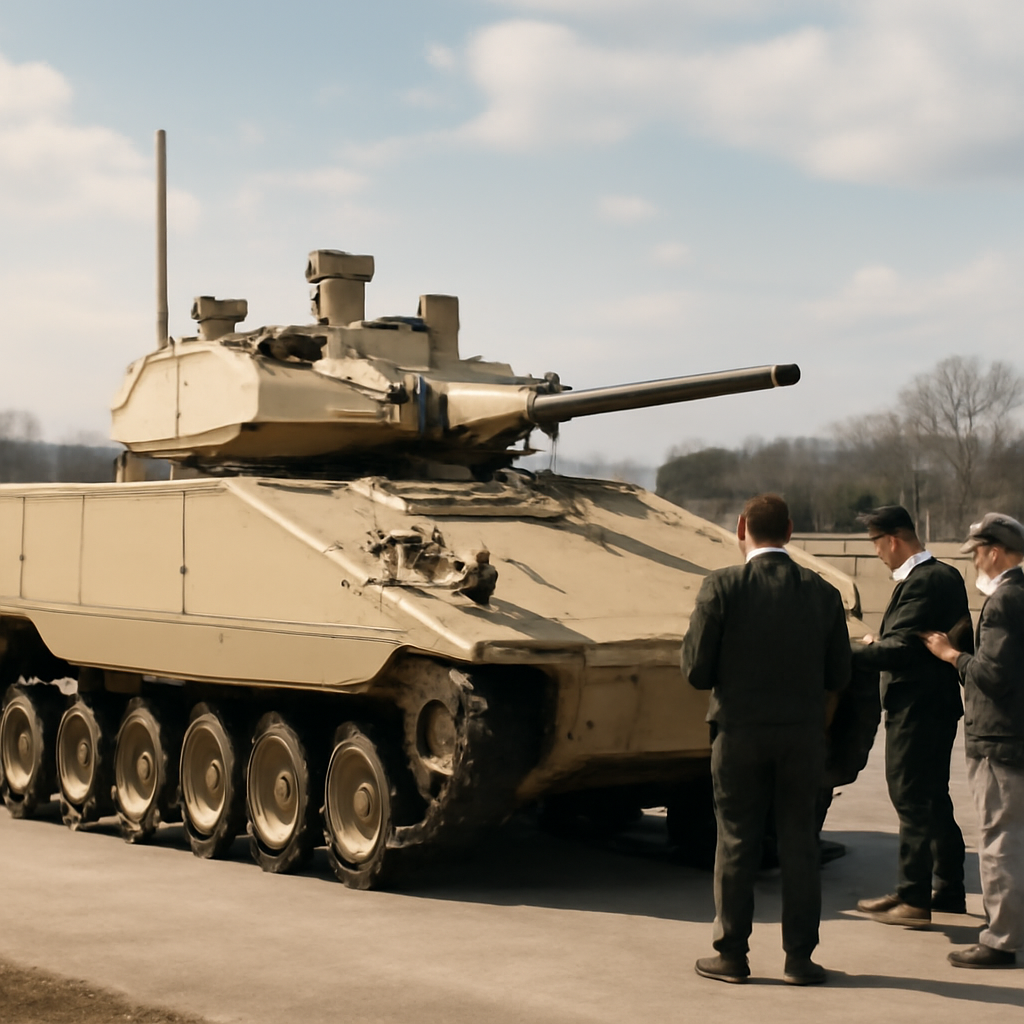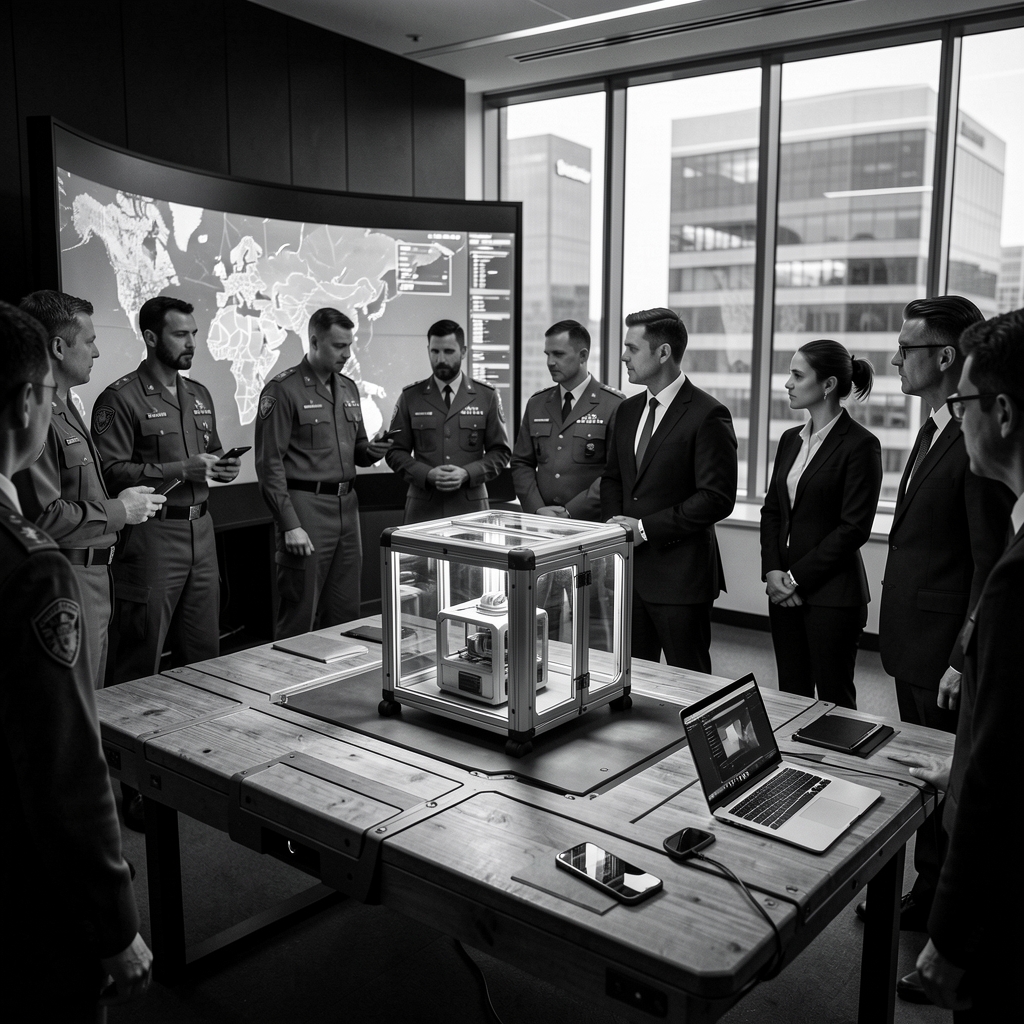
How do you turn a stop‑start approach to military acquisition into a steady drumbeat of innovation? The Army’s new Joint Innovation Outpost, or JIOP, sets out to answer that question by shifting the emphasis from episodic projects to ongoing industry experimentation for the XVIII Airborne Division — and, officials hope, for the wider Army.
A deliberate break with episodic execution
The JIOP is built on a clear premise: episodic execution — short, isolated experiments and one‑off buys — is not enough to sustain technological advantage. Instead, the outpost aims to "foster a more enduring set of industry experimentation," targeting continuous engagement between soldiers and companies. That language suggests a reorientation from discrete programs toward an ongoing relationship with industry, with the XVIII Airborne Division serving as the initial focal point.
What the JIOP intends to do
At its core, the JIOP seeks to operationalize an acquisition cell. Officials describe the outpost as a mechanism to embed experimentation into regular unit activity rather than treating it as an occasional add‑on. The goal is to create enduring pathways for commercial technologies to be tested, evaluated, and iterated in close partnership with an operational force — in this case, the XVIII Airborne Division — and then to scale successful efforts more broadly across the Army.

This site is the portfolio.
OSINTSights runs on Cloudflare Workers, D1, R2, and Vectorize, with an AI pipeline on Hetzner ARM. Nubivance designed, built, and operates it. We do the same for clients.
See what we buildWhy this approach matters — opportunities and challenges
- For technologists: A steady experimentation environment could shorten feedback loops. Sustained engagement with an operational unit would allow companies to refine systems against real operational needs instead of hypothetical requirements.
- For policymakers and acquisition leaders: Operationalizing an acquisition cell points to a desire to institutionalize rapid learning. If the model works, it could change how requirements, testing, and procurement interact, favoring iterative improvement over one‑time sourcing events.
- For users — soldiers in the XVIII Airborne Division and beyond: Regular experimentation offers the prospect of more mature, relevant tools arriving sooner, but it also raises questions about how enduring experimentation will be resourced, governed, and integrated with existing training and operations.
- For adversaries and competitors: An enduring innovation pipeline could be harder to predict and counter than episodic programs. Persistent experimentation may accelerate fielded capabilities, but it also creates a continuous surface for countermeasures.
Tradeoffs and unanswered questions
Turning episodic experiments into an enduring posture entails tradeoffs. Institutionalizing experimentation requires sustained funding, clear authorities, and governance that balances speed with safety, interoperability, and accountability. Officials hope the JIOP model will scale beyond the XVIII Airborne Division to the wider Army, but scaling raises additional questions about standards, prioritization, and the metrics used to judge success. How will leaders decide which experiments move from outpost testing into broader acquisition pathways? Who will maintain continuity when experiments transition to larger programs?
The JIOP’s stated aim — to foster enduring industry experimentation rather than episodic execution — is straightforward. The hard work, though, will be in translating that aim into repeatable processes and institutional incentives that survive changing budgets, operational tempos, and leadership priorities.
Will a steady drumbeat of experimentation ultimately yield faster, more relevant capabilities for soldiers — or will it create a perpetual carousel of prototypes that never quite mature? Officials have set the direction; the results will tell whether this is an evolution of acquisition, or simply a new label on an old problem.