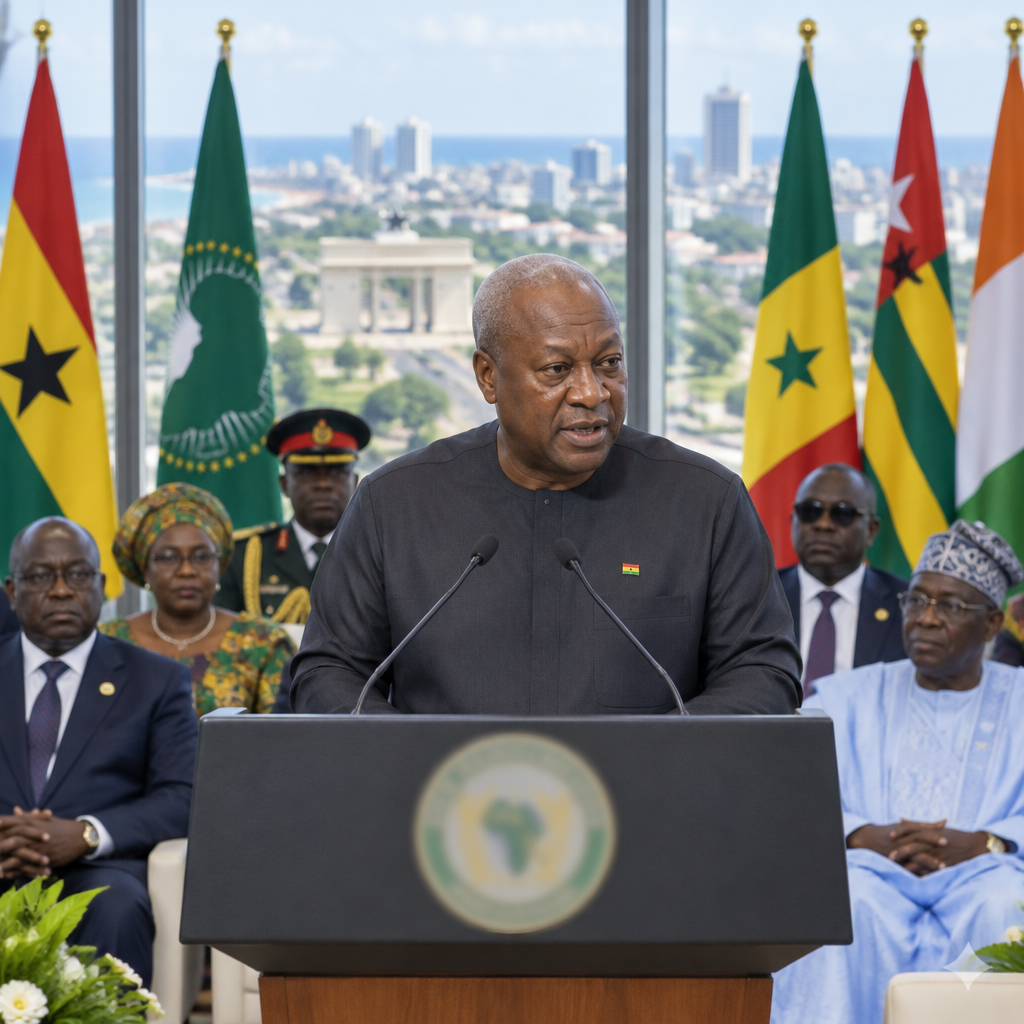
"We must resist arrangements that pit our countries against one another and weaken our collective bargaining position," President John Mahama told delegates at Accra. The warning was aimed at foreign firms and rival states as much as it was at investors who treat African minerals as simply another export commodity.
Accra’s African Minerals Policy Forum, 19–21 October
The African Minerals Policy Forum convened in Accra from 19 to 21 October and gathered Ghanaian President John Mahama, mining ministers from across the continent, the African Union and the African Development Bank. The meeting’s agenda centred on mineral sovereignty, with closed-door ministerial sessions focused on critical minerals, local refining and state control of gold. Ministers and officials discussed turning continental frameworks into coordinated investment, regional infrastructure and larger markets and urged ratification and funding of the African Minerals Development Centre.
Ghana’s concrete moves: no raw ore by 2030 and new domestic rules
Ghana is translating rhetoric into law and policy. In February President Mahama pledged that by 2030 no raw mineral ore would leave Ghana. Since 1 July, large-scale gold miners — including Newmont, Gold Fields and Zijin — must sell 30 percent of their output to the Ghana Gold Board as unrefined gold bars for local refining. This month Ghana’s minister for lands and natural resources, Emmanuel Armah-Kofi Buah, announced that cabinet had approved a revised Minerals and Mining Policy and amendments to the Minerals and Mining Act covering local participation, land leasing and community development. Ghana will chair the African Union in 2027, giving its stance a continental platform.

This site is the portfolio.
OSINTSights runs on Cloudflare Workers, D1, R2, and Vectorize, with an AI pipeline on Hetzner ARM. Nubivance designed, built, and operates it. We do the same for clients.
See what we buildChina’s growing role and the leverage it brings
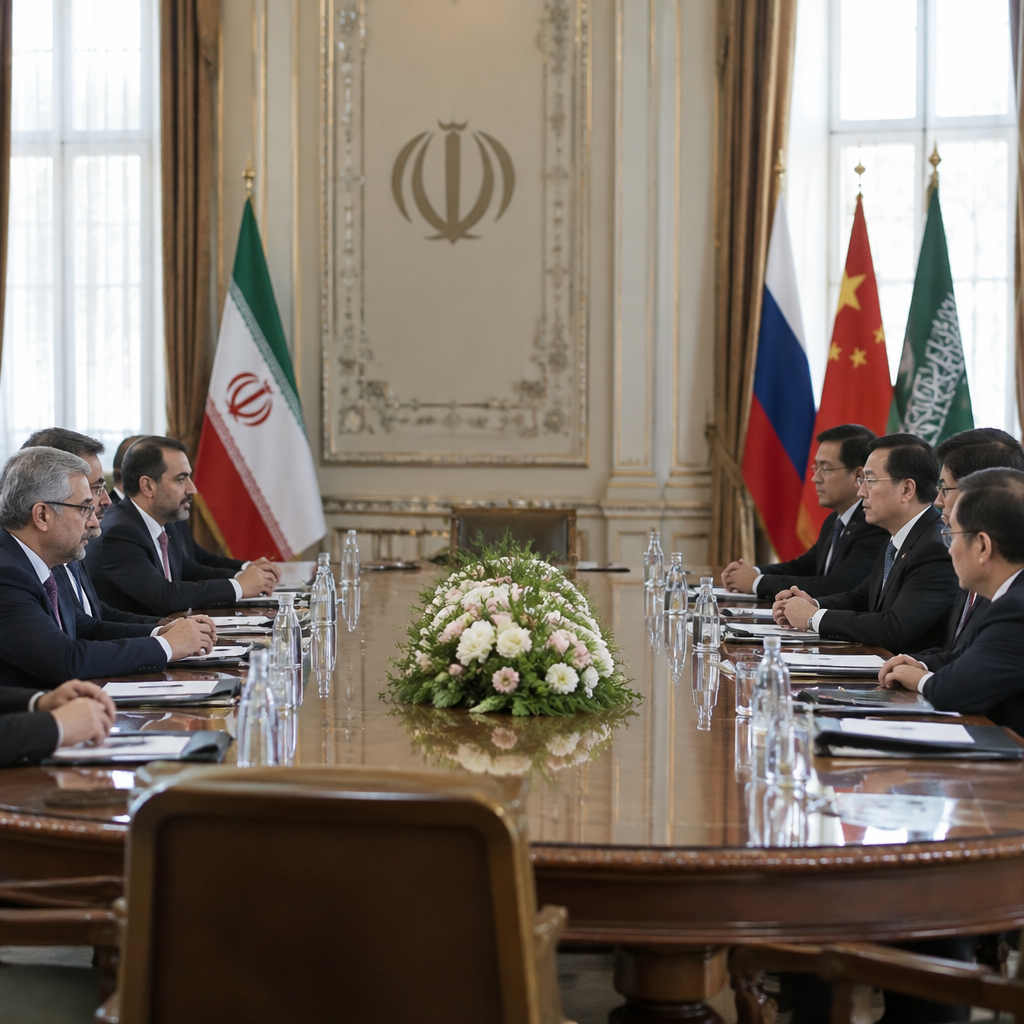
The Accra meeting unfolded against a backdrop of deepening Chinese engagement across Africa’s extractive sectors. In April 2025 Zijin completed a US$1 billion purchase of Newmont’s Akyem mine in Ghana. China Molybdenum acquired the Tenke Fungurume mine in the Democratic Republic of Congo in 2016. According to the meeting’s materials, China now controls most of the cobalt supply chain in Congo’s southern provinces.
The source links that market influence to broader investments and security activity: between 2000 and 2021 Chinese lenders committed about US$37 billion to urban infrastructure in six African cities, including Nairobi, Lagos and Kinshasa. China has expanded its security footprint by becoming the second-largest financial contributor to UN peacekeeping, deploying peacekeepers to South Sudan, Darfur, the Democratic Republic of Congo and Mali, and opening its first overseas military logistics base in Djibouti. The forum noted reports of unsafe labour conditions, child exploitation and environmental degradation alongside China’s combined package of mining, infrastructure and security cooperation.
Tanzania, regional blocs and Australian projects in scope
African countries are coordinating beyond national capitals. Tanzania’s minister Anthony Mavunde identified Tanzania, Madagascar and Mozambique as partners on graphite and processing, and credited Tanzania’s 2017 raw-export restrictions with building more than eight gold refineries. Those regional arrangements place the Balama mine in Mozambique within a regional graphite bloc and put the Nyanzaga gold project in Tanzania — owned by Australian company Perseus — inside a country that already restricts raw exports. Perseus also runs the Edikan gold mine in Ghana, another project now operating where mineral-sovereignty rules are changing.
What this means for Canberra, Australian miners, and the Joint Standing Committee
An Australian parliamentary report published this month by the Joint Standing Committee on Foreign Affairs and Trade counsels Canberra to “compete on quality, not scale.” The committee notes that Australian miners already have a reputation for “ethical dealing and sensitivity to environmental, social and governance matters,” making Australia “a desirable partner of choice,” and it records that communities expect Australian mining companies to build roads and schools.
The Accra forum and recent Ghanaian measures underline the report’s practical implications: Australia’s goal of building critical mineral supply chains outside China depends partly on African supply, and if Canberra stays out of these discussions “Beijing is likely to set the terms.” The source argues Canberra should coordinate more directly with African governments, both nationally and regionally through the African Union, rather than leaving its interests to companies alone. Australia should expect to coordinate its companies for the return of more value from African mines to local societies; and if it wants to win favour where it mines, it needs clear strategies in which its companies involve locals, create jobs and livelihoods, take an approach of doing no harm, and direct part of their funding to development or humanitarian aid.
The practical choices are now visible: African governments are moving to capture more processing and revenue at home; regional blocs are forming around targeted minerals; and major outside actors already combine investment with security and infrastructure. For Australia, the question is not whether Africa matters to supply security, but how Canberra will match its miners’ reputation for ESG with a diplomatic and coordination strategy that recognises mineral sovereignty.