ASPI has published The cost of Defence every year since 2002.
AUKUS, submarines and a reshaped force
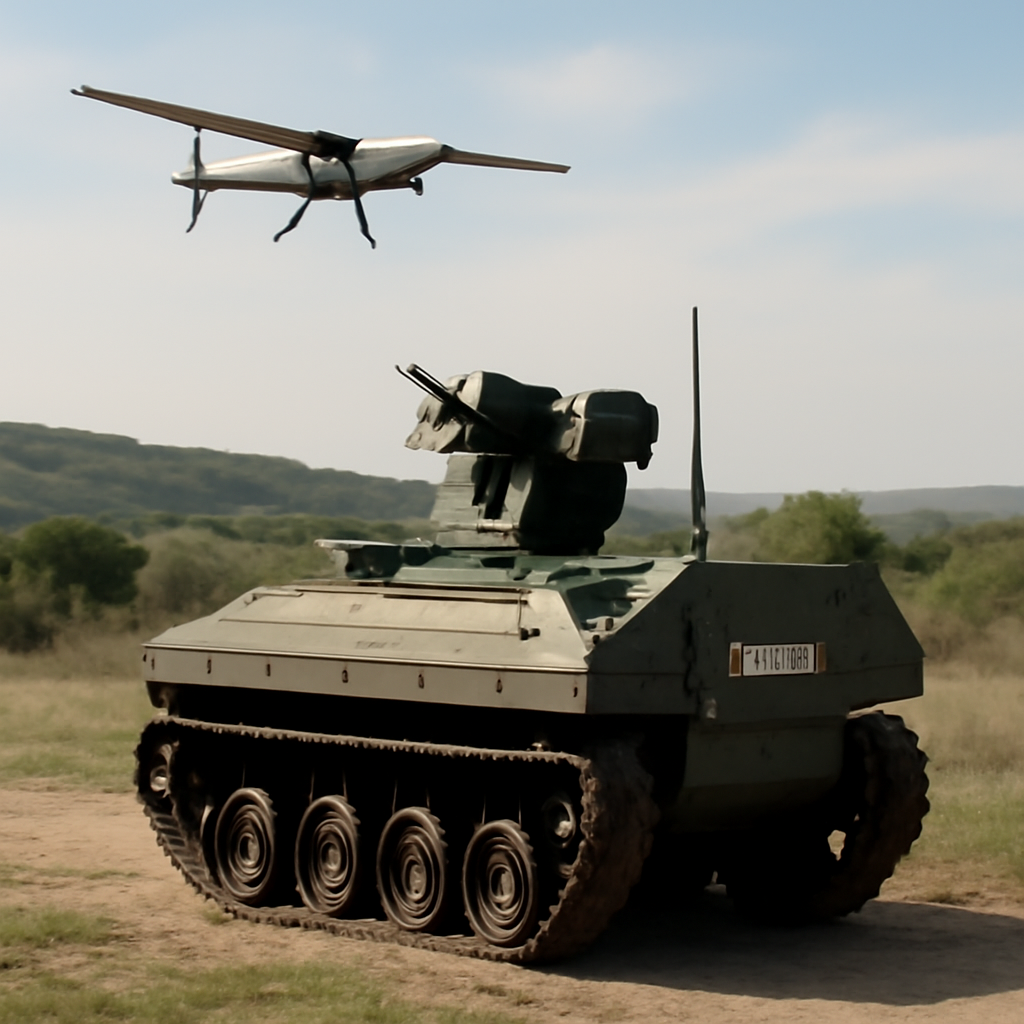
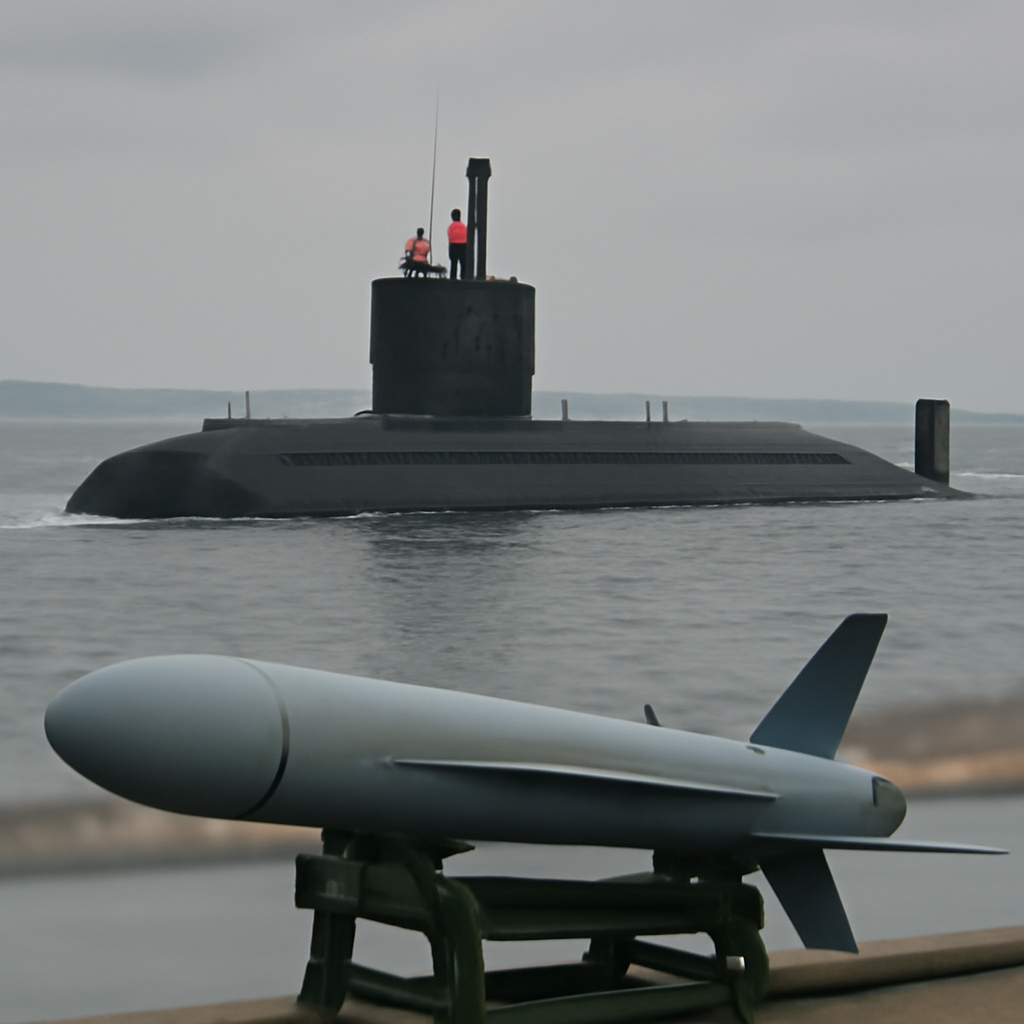
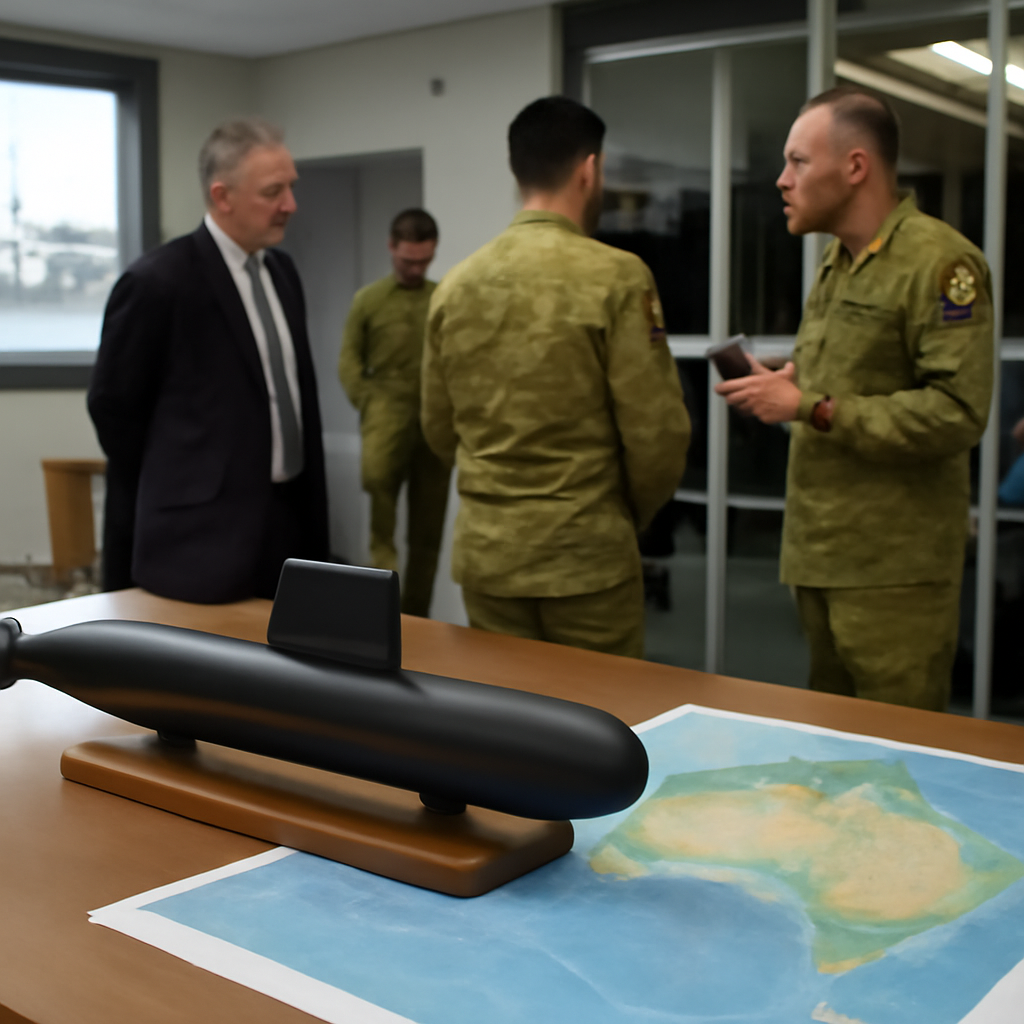
The 2026 edition of The cost of Defence records a sweeping program of change across Australia’s defence posture. The 2024 and 2026 National Defence Strategies (NDSs) identify denial as the cornerstone of policy and, together with integrated investment programs, have reshaped almost every line of the previous decade’s plans. AUKUS has moved from announcement to execution: the rotational US–British submarine presence at HMAS Stirling begins next year, the first Virginia-class submarine is scheduled to arrive in 2033, and, on the current trajectory, the first sovereign nuclear-powered attack submarine (SSN-AUKUS) should be built by the early 2040s. Beyond submarines, the strike enterprise, air and missile defence integration, the northern bases program, maritime fleet redesign and land-force reorganisation are all under way.
Budget framing: defence inside a wider "resilience" pillar
In the 2026–27 Budget the treasurer placed defence inside a wider resilience pillar alongside fuel security, critical minerals and the sovereign capability agenda. That doctrinal choice matters because it folds the perennial question — whether the defence appropriation matches declared strategy — into a broader assessment of what the national budget will realistically buy for national defence. The government has shifted to using the NATO model to determine defence spending as a share of GDP and has outlined a trajectory to reach around 3.0 percent by 2033. ASPI, however, benchmarks this Budget against the older model for the time being and notes the Defence portfolio has spent most of the last decade hovering in a narrow band either side of 2.0 percent of GDP.

Audit-ready is a season. It shouldn't be.
Evidence in spreadsheets, controls drifting between audits, frameworks multiplying on flat headcount. Nubivance runs continuous compliance on Rapid7 Cyber GRC - SOC 2, HIPAA, ISO 27001, PCI, CMMC.
End the scrambleDelivery gaps: a long-term program, but cuts, delays and an approvals gap
ASPI judges the Budget presents a clear, long-term strategy and structured spending — a positive for those who favour steady commitments rather than stop–start processes. Yet the Budget also reveals cuts and delays and, in several major capability investment streams, an approvals gap between the investment announced and the funded delivery of capability. The central judgement is stark but measured: the program is necessary and broadly correctly sized, if late to deliver. The practical test is converting those long-term commitments into delivered platforms, trained workforce and sustainable readiness.
Constraints named: workforce, industry, integration, institutions and allied coordination
The report identifies five enduring constraints that additional money alone will not remove: the Defence workforce; the domestic industrial base; the integration across capabilities; the need for institutional follow-through over multiple electoral cycles; and an inconsistency among allies in working together to deter China and the group of authoritarian regimes it leads. The government itself has moved to address acquisition and sustainment problems, announcing in December 2025 a new Defence Delivery Agency to reform those activities. Still, ASPI emphasises that while resources matter, the portfolio’s capacity to turn inputs (dollars) into outputs (capability) will determine whether the long-term strategy is realised.
How the Australian Defence Force, procurement leaders, and the public should watch this Budget
- The Australian Defence Force: will be asked to absorb major structural change — new platforms, integrated air and missile defence, and base and force reorganisation — and must demonstrate readiness as capabilities arrive later than initially planned.
- Procurement leaders and the domestic industrial base: face the twin tests of scaling production and workforce to meet long-term timelines while closing the approvals gap between announced investments and funded delivery; the Defence Delivery Agency is the government’s instrument to address acquisition and sustainment.
- The general public and taxpayers: must judge whether a defence budget that remains around 2.0 percent of GDP for much of the past decade, but is pledged to rise toward 3.0 percent by 2033 under the NATO model, will translate into the tangible platforms and readiness the NDS describes.
The report’s closing, practical point is simple and unforgiving: commitment alone is not capability. Australia has set one of the most significant force-restructuring agendas of its peacetime history; the work ahead is institutional and industrial — converting a clear, long-term Budget into delivered ships, submarines, weapons, trained personnel and sustained readiness. ASPI cautions that history shows short-changing defence now leads to higher costs later — Europe’s experience after the Russian invasion of Ukraine in 2022 is cited as a warning — and asks whether the institutional follow-through and allied coherence necessary to see this program to fruition will hold across the coming electoral cycles.