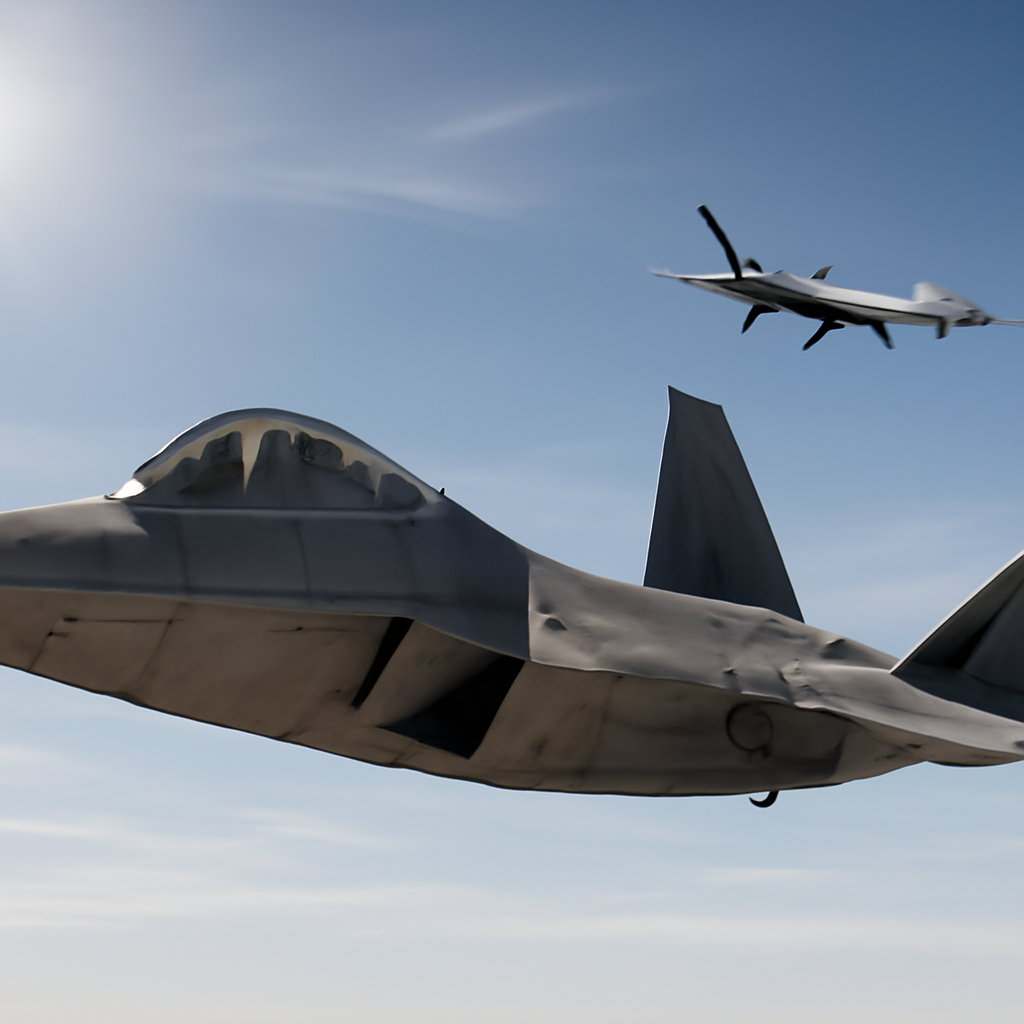
"based on the understanding that Japan and Australia are increasingly vital to each other’s strategic depth – to leverage our advantages, including our respective industrial bases, geographical characteristics and networks,” the joint statement said after a 4 May meeting between prime ministers Sanae Takaichi and Anthony Albanese.
The 4 May joint statement and the sudden arrival of “strategic depth”
The phrase “strategic depth” appeared explicitly in the Australia–Japan joint statement issued after the leaders’ meeting on 4 May. The partners provided no single, detailed definition there, but the declaration linked the concept to industrial bases, geography and networks — a signal that their cooperation will extend beyond traditional exercises and security dialogues into economic and industrial domains.
How Australia’s planners have framed strategic depth
Australian defence thinking has long used “strategic depth” to describe an advantage conferred by continental size and distance; the term appears in the 1994, 2009 and 2013 defence white papers. Yet Canberra’s geographic buffer is matched by a vulnerability: its connections to allies and partners, notably merchant shipping. The 2020 Defence Strategic Update warned that new technologies together with China’s growing power were reshaping the map, a fragility that Japan’s role in the first island chain helps mitigate. The source explicitly notes that Japan and other territories act as a seawall resisting naval projection, and that without Japan, China poses a greater threat to Australia’s connections with the United States.

Audit-ready is a season. It shouldn't be.
Evidence in spreadsheets, controls drifting between audits, frameworks multiplying on flat headcount. Nubivance runs continuous compliance on Rapid7 Cyber GRC - SOC 2, HIPAA, ISO 27001, PCI, CMMC.
End the scrambleWhat strategic depth looks like for Japan
From Tokyo’s perspective, Australia offers industrial resilience and geographic reach. Japan is described in the source as a frontline state whose defence industry sits near China and therefore faces vulnerability to air and missile strikes. For about eighty years the United States served as an “elsewhere” for dispersed production; the article states American factories are now under growing strain to meet the US’s own arms requirements. Australia is presented as an alternative location for dispersed, safer military production, and as a place that can enhance operational sustainment: Australian centres such as Darwin and Perth lie closer to the centre of the Indo‑Pacific maritime theatre and could better support Japanese vessels and aircraft engaged in peacetime presence missions.
Industrial cooperation: Mogami frigates, “industrial depth,” and test ranges
The 2026 National Defence Strategy’s phrase “industrial depth” appears in the source as a complement to geographic depth, enabled by international partnerships. A concrete example already underway is the project to build frigates of Japan’s Upgraded Mogami class for Australia. The article identifies defence industry, critical minerals and dual‑use technologies as investment priorities in the bilateral economic security agenda. If New Zealand, Indonesia and other neighbours also acquire Mogamis, the project’s Henderson precinct in Western Australia could become a regional warship‑building and sustainment hub. The source also names Australia’s Woomera Test Range and vast training areas as enablers for Japanese defence innovation — permitting testing of missiles, drones and electromagnetic warfare systems that Japan’s modest size and dense population constrain domestically.
Diplomacy, Beijing’s reaction, and whole‑of‑government delivery
The article notes that Australia’s 2026 National Defence Strategy frames Beijing as pursuing its own “quest for strategic depth,” a phrase reproduced in the source. Defence Minister Richard Marles is cited as saying this quest helps explain why Beijing was “enforcing contested territorial and maritime claims in the South and East China Seas.” Because the bilateral delivery of strategic depth reaches beyond defence ministries into industrial policy, the source argues that a range of government agencies will need to be involved. Foreign ministries are assigned a specific role: explaining the concept to regional partners and rebutting attempts to misrepresent it. Announcements to enhance regular diplomatic consultations between Australia and Japan, and to establish a “leadership dialogue” that brings together experts from government, business, academia and civil society, are listed in the source as initial steps toward coordination.
Conclusion: from phrase to program — measurable markers to watch
The appearance of “strategic depth” in a leaders’ joint statement converts a concept long present in defence parlance into an explicit bilateral objective. According to the source, its realization will be judged by demonstrable industrial projects and operational arrangements: the Mogami frigate program and the development of Henderson as a sustainment precinct; relocation or use of Australian support facilities by Japanese vessels and aircraft; expanded testing cooperation at Woomera; and formal diplomatic mechanisms such as the proposed leadership dialogue. How quickly those pieces cohere will determine whether the phrase remains rhetorical or becomes a tangible pillar of Australia–Japan security and economic policy.