Australia has provided around $9.5 million to the Philippine Coast Guard since April last year, mostly drones and operator training — one concrete measure behind a broader shift in Canberra’s approach that was formalized this week in Manila.
Fast-tracking military cooperation: the new Defense Cooperation Arrangement
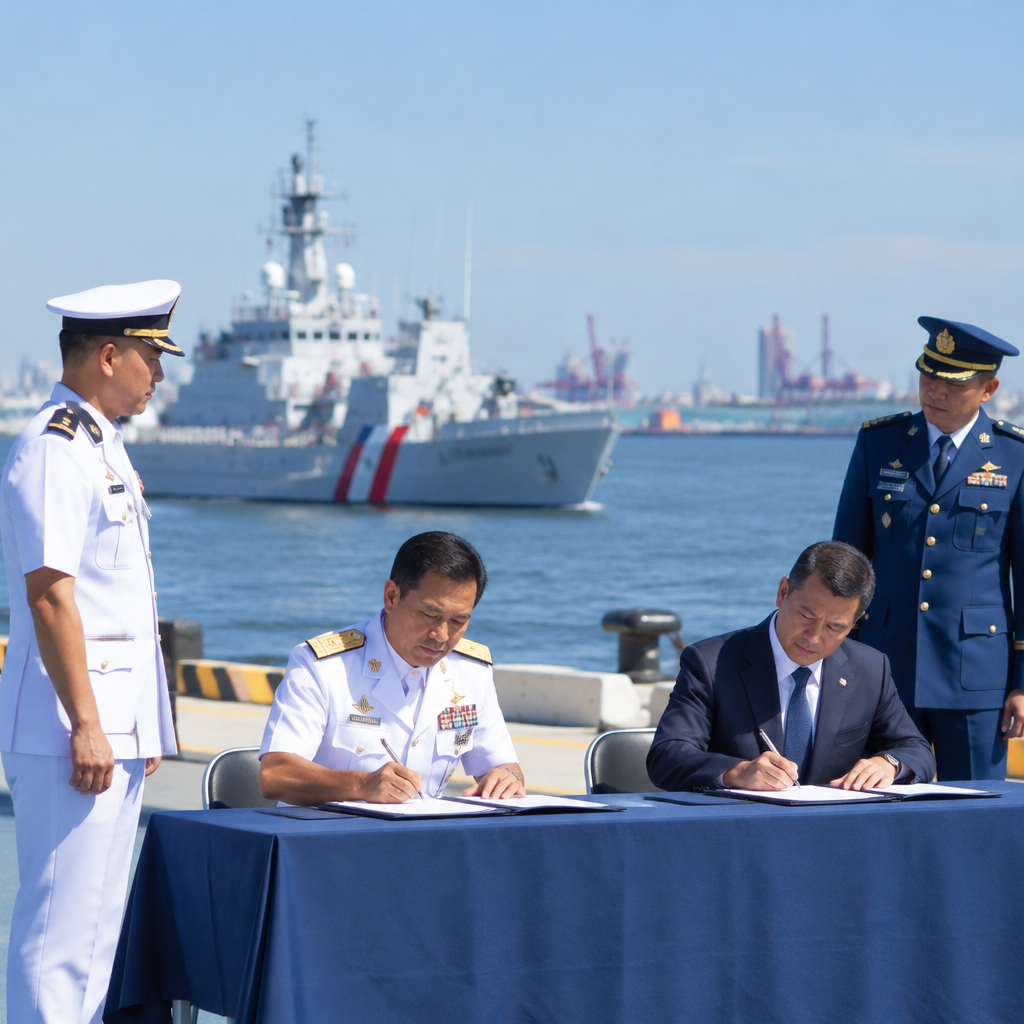
On the sidelines of the ASEAN summit, Australia and the Philippines signed a new Defense Cooperation Arrangement that replaces the 1995 Memorandum of Understanding on Cooperative Defense Activities. The arrangement is explicitly designed to fast-track military cooperation between Canberra and Manila by easing bureaucratic hurdles and simplifying procedures under the existing Status of Visiting Forces Agreement, which entered into force in 2012.
Beyond streamlining visits, the new arrangement covers maritime awareness, information sharing, strategic dialogues, training, interoperability and defense infrastructure. Its intent, as described in the announcement, is to make joint activities easier to execute and to deepen practical collaboration across multiple domains.
Status of Visiting Forces, logistics, and base work on Luzon
The agreement builds upon the 2012 Status of Visiting Forces Agreement and the 2022 Mutual Logistics Support Arrangement. It also dovetails with existing Australian investments in Philippine defense infrastructure: Australia is helping build defense infrastructure across five military bases on the Philippines’ largest island of Luzon. Those bases are presented as part of a broader deterrence effort that also takes account of potential hotspots such as the Taiwan Strait.

Your town's IT department is one person. Maybe.
Ransomware crews target small municipalities because nobody's watching. Nubivance gives Maine and New Hampshire towns a security program sized to a town budget.
Protect the town officeBacking Philippine maritime forces against gray-zone pressure
The arrangement aims in part to expand support for the Philippine Navy and Coast Guard, which the document identifies as being on the frontline of what it terms China’s revisionist activities in the South China Sea. The source describes an environment of frequent coast guard clashes in the Spratly Islands and Scarborough Shoal, where Beijing continues to ignore the 2016 arbitral ruling that found its maritime claims in the South China Sea have no legal basis under international law.
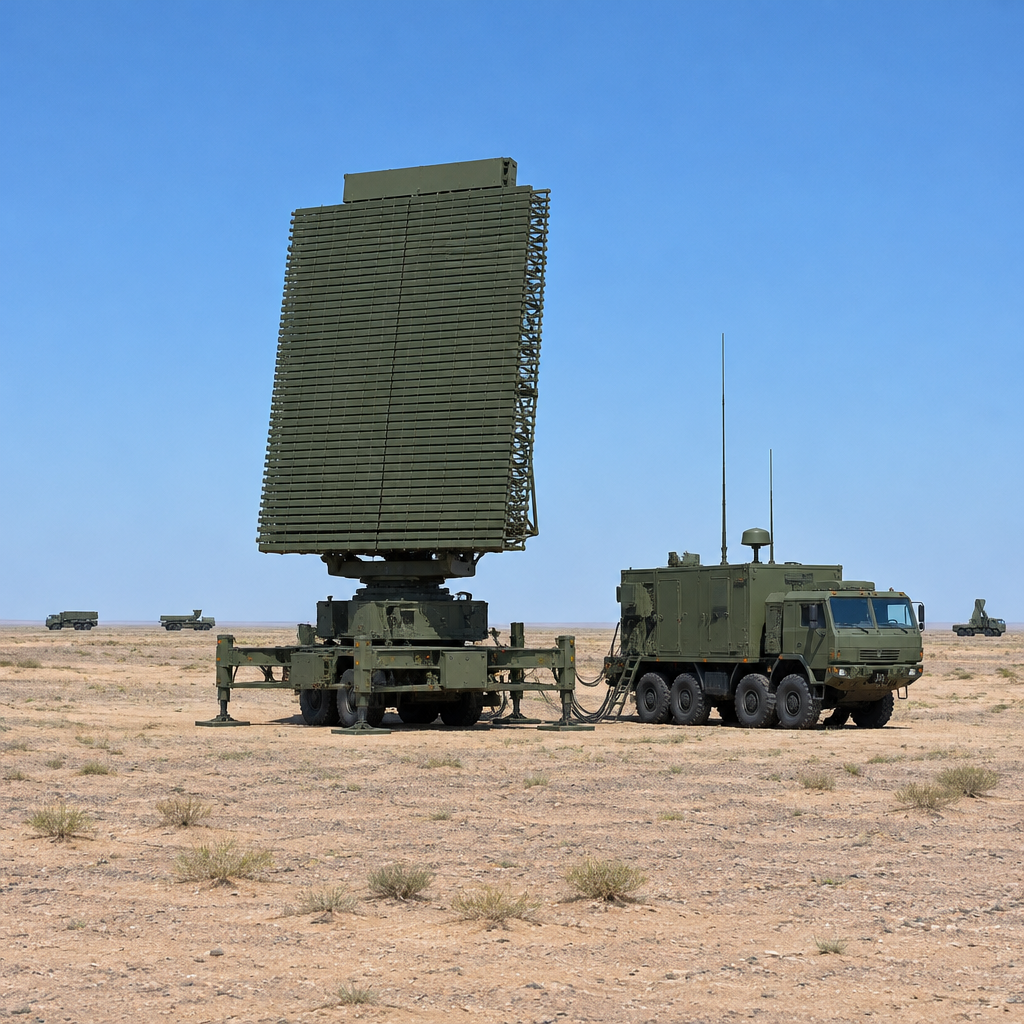
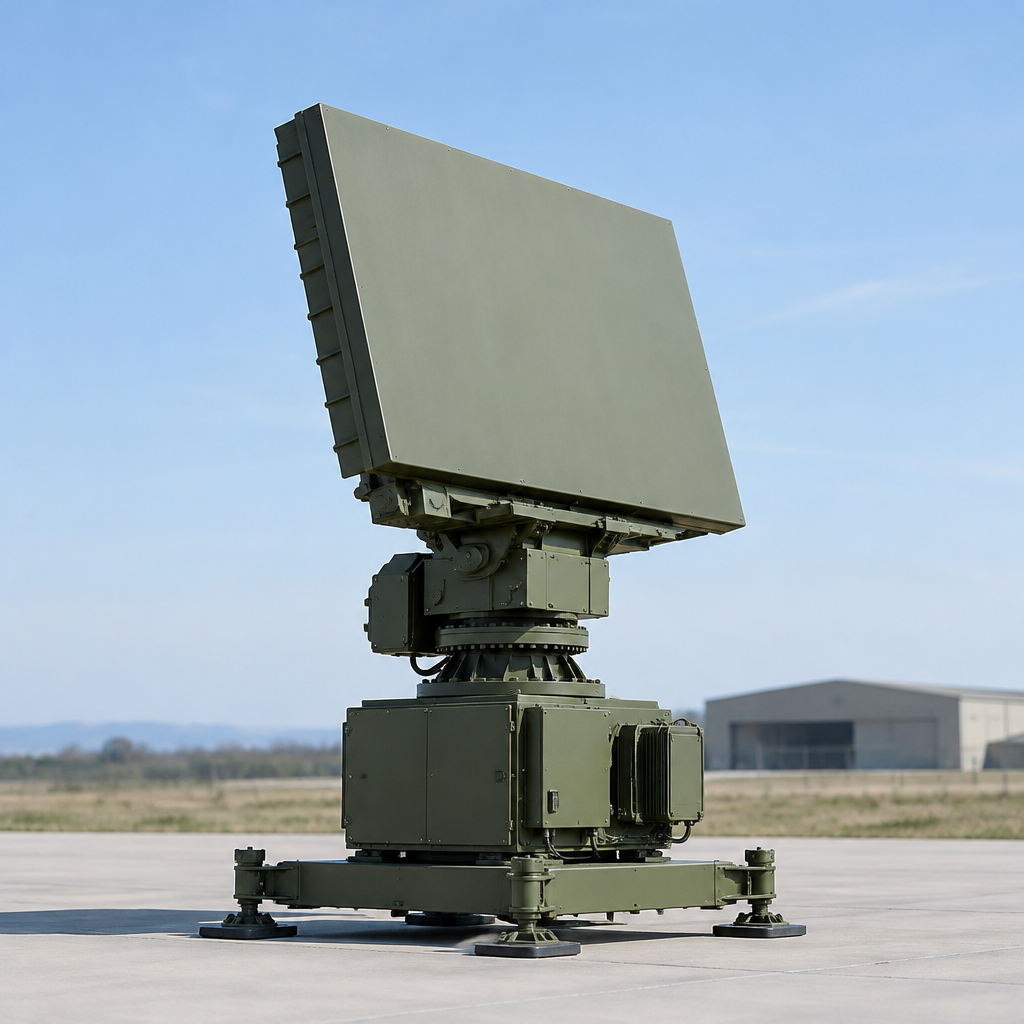
Australia’s material support to date — roughly $9.5 million to the Philippine Coast Guard since April last year, delivered mainly as drones and operator training — is intended to improve surveillance, response capacity and day-to-day operational readiness against gray-zone tactics such as water cannon fire and maritime harassment. The source frames those coercive measures as significant pressure short of acts of war.
Combined Coordination Center with the U.S., Japan, Australia and the Philippines
In parallel with the new bilateral arrangement, Australia, the United States, Japan, and the Philippines plan a Combined Coordination Center whose central purpose is to synchronize the four countries’ defense investments in support of the Philippines. The Center is expected to act as a joint hub for building the capacity of the Philippine Navy and Coast Guard, coordinating what each partner provides so that support does not arrive piecemeal.
The coordination effort is explicitly aimed at raising the diplomatic and operational costs for Beijing should it press harder, and at ensuring partner investments combine into coherent capabilities rather than fragmented assistance.
What this means for Australia, the Philippines, and the United States
- Australia: The arrangement advances a strategy that treats defending prosperity — not just territory — as central to defense policy. Canberra sees protecting sea lanes and preventing Beijing from wearing down Manila as integral to safeguarding Australian trading interests, and the agreement is framed as a comparatively inexpensive investment in Manila’s resilience.
- The Philippines: Manila gains concrete surveillance, training and infrastructure support focused on near-term maritime pressures. Given that the Philippine state cannot match China’s maritime presence, the arrangement is positioned as part of a “thick web” of security relationships that raise the cost to Beijing of coercive tactics.
- The United States (and Japan): The Combined Coordination Center and the streamlined bilateral procedures aim to make allied and partner assistance more effective by synchronizing investments and limiting duplication. The source notes that U.S. naval forces being drawn toward the Middle East — specifically citing the war in Iran — has been seen by Beijing as an opportunity to intensify operations around the Philippines and extend them east of Taiwan into the Pacific, increasing the value of coordinated partner support.
The new Defense Cooperation Arrangement is therefore both practical and strategic: it reduces the friction of cooperation, directs materiel and training to maritime first-responders, and inserts Canberra more deeply into a theater crucial to its trade. As the announcement itself puts the choice plainly, investing in Manila’s resilience is currently far cheaper for Australia than responding to any further changes in conditions in the South China Sea.
https://thediplomat.com/2026/11/australia-philippines-sign-new-defense-cooperation-arrangement/