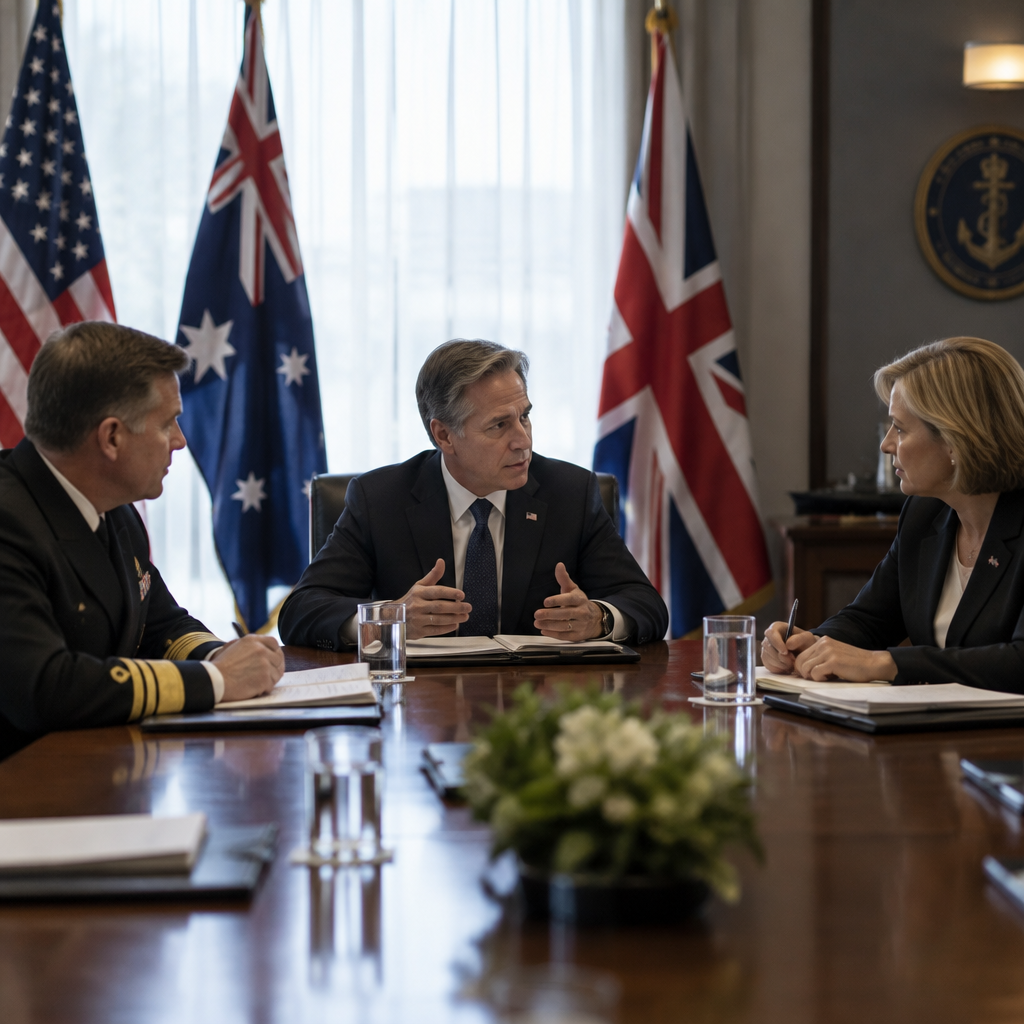
"The best thing" — that is how Undersecretary of Defense for Policy Elbridge Colby described a 2025 review of the AUKUS pact, saying the process forced the United States, Australia and the United Kingdom into more candid discussions about progress, production timelines and budget realities.
Colby: candid talks, hard realities
Speaking at the Submarine League Annual Symposium, Colby said the review — initiated by the Trump administration last year — allowed the US to "communicate more openly" with its partners about where the agreement stood. He framed the review as corrective: if officials do not "actually address those challenges directly" and instead "simply hope the agreement would work out," they risked undermining AUKUS.
Colby tied the review to concrete program topics, naming progress, production timelines and budget realities as subjects that required candor. He characterized the agreement in blunt terms, calling it "a practical arrangement that involves the eventual sale of our crown jewels, our military capabilities."
Pillar I and Pillar II: the written commitments
The source document reiterates how the AUKUS architecture is organized. Under Pillar I, the United States agreed to sell at least three Virginia-class submarines to Australia in the 2030s while the three nations work to develop a new class of SSN-AUKUS nuclear-powered submarines for the Australian and British navies. Pillar II focuses on cooperation among the three nations to develop and field advanced military capabilities.
The pact itself was first inked under the Biden administration; the 2025 review was announced within six months of US President Trump's second term as a check on whether AUKUS aligned with the president's "America First" agenda. By October 2025, the president had reaffirmed his support for the pact.

The cyber insurance questionnaire just landed. Now what?
SOC 2, HIPAA, insurance renewals - someone has to own security strategy. Nubivance provides fractional CISO leadership without the full-time salary.
Get a security leadU.S. and Australia on submarine employment and political constraints
Colby said the review prompted "very productive conversations" with Australia about "reconciling and understanding" how the submarines should be employed, while acknowledging that "everybody has political constraints." He emphasized the need to clarify authority and political commitment, warning that at some point in the 2030s "a president’s gonna make a decision to go ahead with this."
Colby added a comparison for alliance decision-making: "We want to understand and operate like in the way that we operate in NATO, which is, … all the alliance leaders have the political authority about whether they’re committed or not." That comment framed the review as an attempt to align operational expectations with political realities across three sovereign governments.
Rear Adm. Chris Cavanaugh: schedule is on plan
Also speaking at the symposium, Rear Adm. Chris Cavanaugh, commander of submarine forces for US Pacific Fleet, offered a succinct operational assessment: "The most consequential allied initiative is AUKUS, which is on plan and in several areas ahead of schedule." He added, "I see progress in AUKUS every day," signaling that at the service level officials are tracking implementation milestones and noticing forward movement.
What this means for policymakers, naval forces, and procurement leaders
- Policymakers: The review served as a vehicle to reconcile AUKUS with an administration assessment of national priorities — the Trump administration used the review to test alignment with the "America First" agenda, and by October 2025 the president had publicly reaffirmed support.
- Naval forces: Senior officials are actively discussing how the submarines will be employed, seeking to codify expectations about political authority and operational commitments in a manner Colby likened to NATO decision-making.
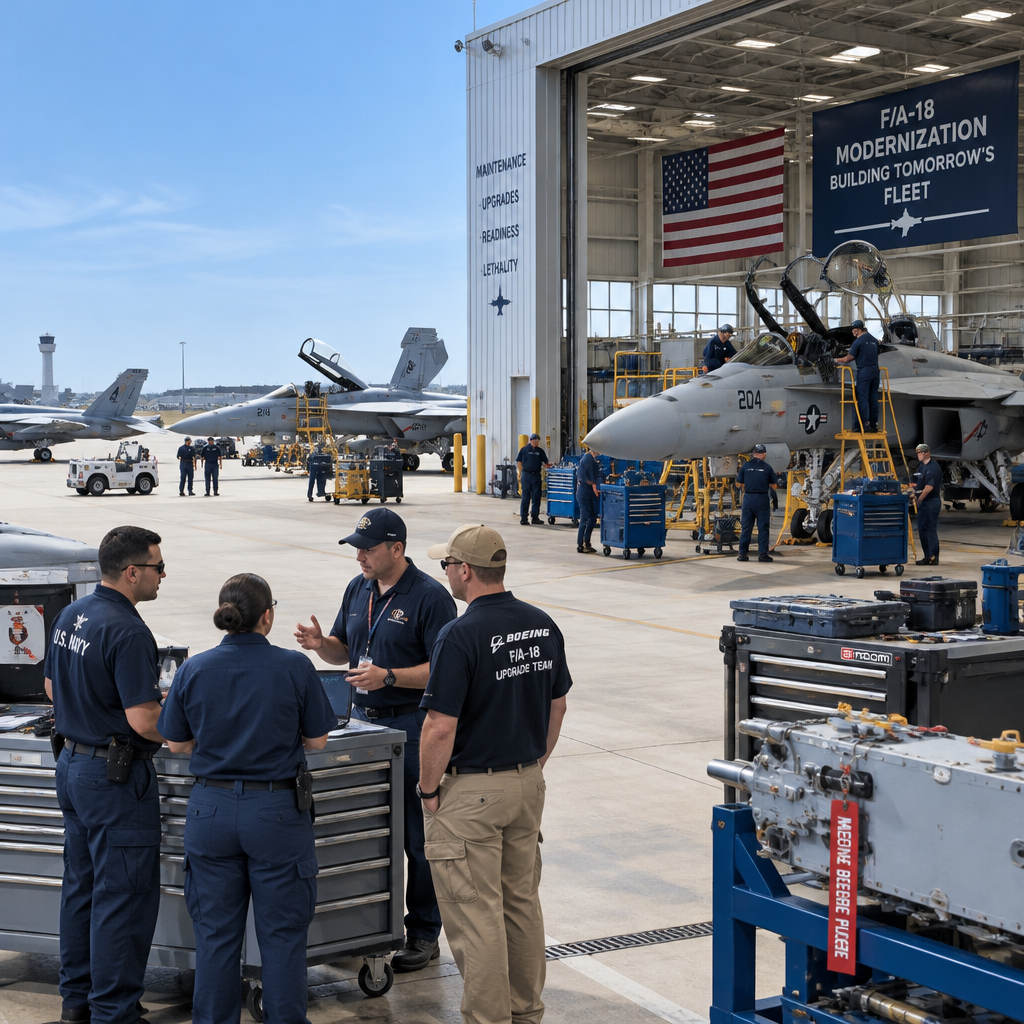
- Procurement leaders: The review put production timelines and budget realities squarely on the table, underscoring that delivery of at least three Virginia-class submarines in the 2030s and development of SSN-AUKUS will involve concrete trade-offs and scheduling demands.
The 2025 review, then, appears to have done what Colby suggested it would: forced hard conversations and clarified that future choices — including a presidential decision in the 2030s — will be consequential. The program's written commitments remain in place, and senior leaders on the operational side report plans are on track, with some elements even "ahead of schedule." Whether the candidness of the review translates into sustained, coordinated execution as timelines compress toward the 2030s is the central practical question the three parties now face.