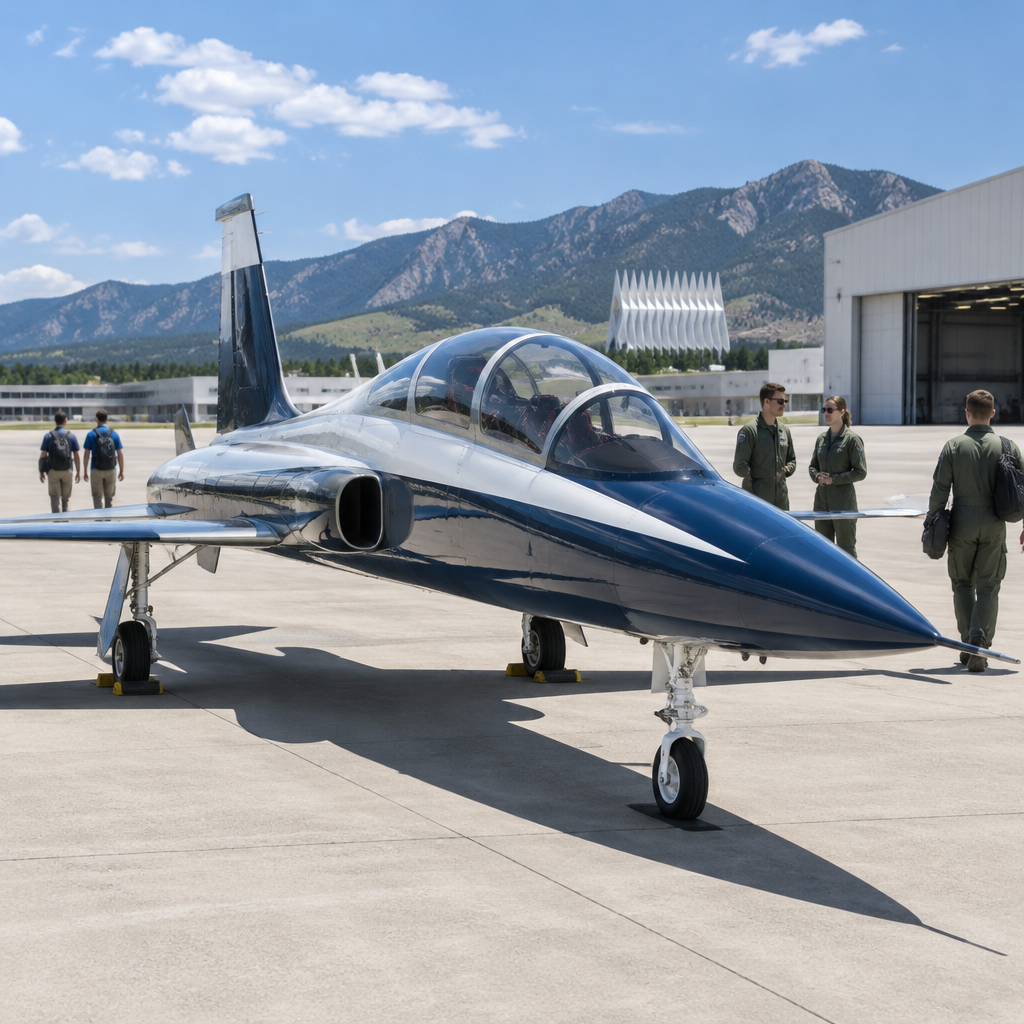
"We went from an idea to four aircraft built and delivered" in just 10 months, Air Force Chief of Staff Gen. Kenneth Wilsbach said, calling the effort "historic." The short, sharp timeline underlines the service's immediate goals: give cadets hands-on aerobatic flying experience earlier in their training and seed a new demonstration and recruitment capability at the U.S. Air Force Academy.
The arrival: a flying demonstration and a new platform at the Academy
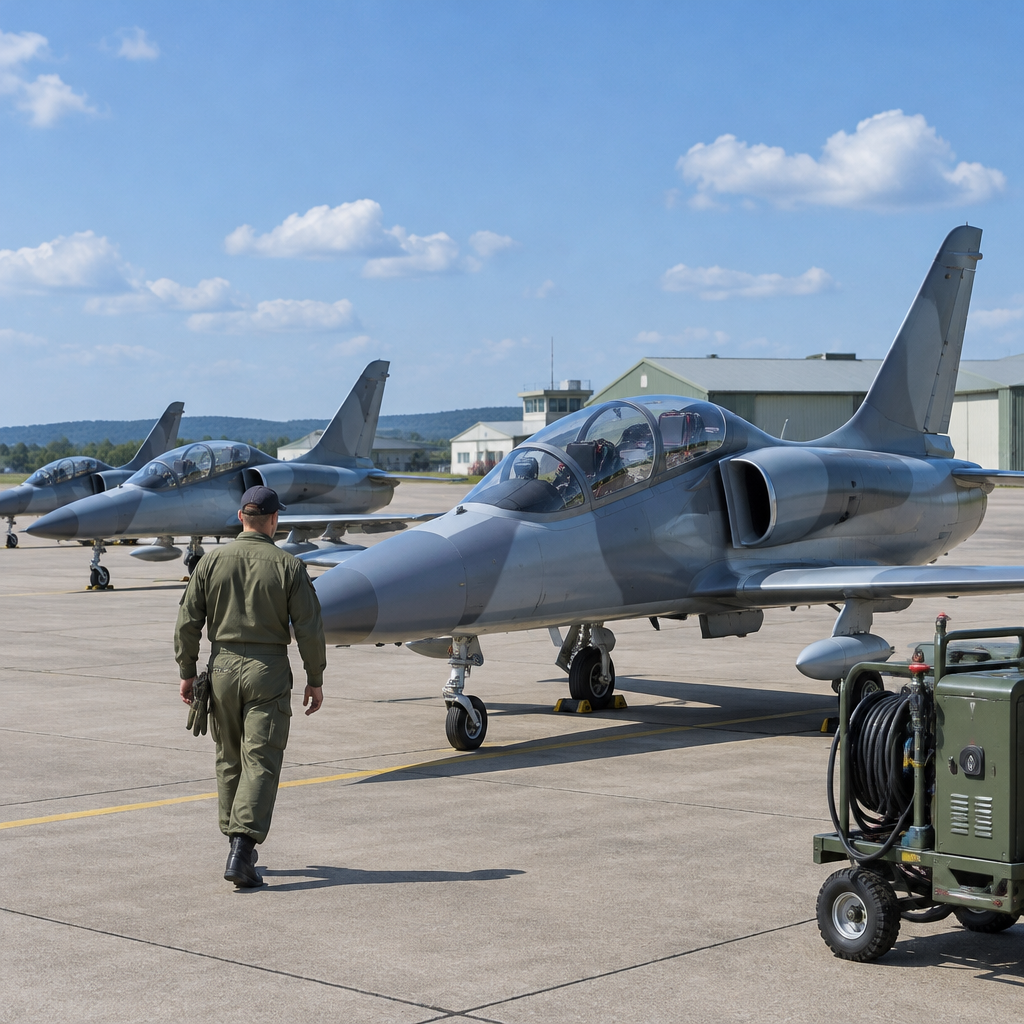
The T-19A Kestrel arrived at the Air Force Academy with a flying demonstration and is the Academy’s first powered aerobatic platform, officials said. Academy leadership described the aircraft as a vehicle to provide "aviation experience earlier in their training" and the foundation for a new aerobatic flying team. Following its arrival, the aircraft have been described as "fully cleared" for use at the Academy, and the Academy’s Davis Airfield will serve as the hub for all Kestrel operations.
The aircraft: GB1 Gamebird airframes officially designated T-19A
An Air Force spokesperson told Breaking Defense the service accepted four two-seat, single-engine GB1 Gamebird aircraft built by Game Aerospace Composites. The service officially designated those aircraft the T-19A. The release also states the aircraft recently finished certification flights, clearing them to enter Academy operations.

Audit-ready is a season. It shouldn't be.
Evidence in spreadsheets, controls drifting between audits, frameworks multiplying on flat headcount. Nubivance runs continuous compliance on Rapid7 Cyber GRC - SOC 2, HIPAA, ISO 27001, PCI, CMMC.
End the scrambleFunding, acquisition and sustainment costs
The initial four-aircraft acquisition came through corporate and civilian donations, which the Air Force described as a $3 million gift. The service said it invested approximately $400,000 to supplement that gift — funding allocated for initial spares, procurement of necessary support equipment and aircrew flight equipment for the initial cadre and future cadets. The Air Force also plans to budget approximately $1 million annually to sustain the aircraft.
Training structure: instructors, curriculum and the cadet leadership pipeline
Air Force Academy Superintendent Lt. Gen. Paul Moga said the Kestrel "will strengthen [cadets'] aviation skills and develop the confidence, discipline and leadership required of future Air Force officers." To stand up the program, Moga picked six active‑duty pilots from the Academy’s 306th Flying Training Group to form the aerobatic team’s curriculum. Those pilots will both deliver training and perform at recruiting events and air shows across the United States.
The Kestrel program will also establish "a cadet leadership pipeline" through which select students will receive annual mentorship on the T-19. Officials described a long‑term aim of delivering "a premier capability that evolves to include greater cadet involvement in training, demonstrations and program operations," signaling intent to expand cadet roles over time beyond initial instruction and demonstrations.
Pilot-shortage context and other training investments: how the T-19A fits
The Kestrel's arrival comes as the Air Force contends with a reported shortfall of 2,000 aviators, which officials say will likely take years to resolve despite achieving a recruitment benchmark in September. The service framed the T-19A as one part of a broader training pipeline effort: the Air Force is also working to field the T-7 Red Hawk, a new training jet that officials say will better prepare aviators for advanced aircraft compared with the aging T-38 Talon it is replacing. The T-7 program, the release noted, remains years behind schedule.
What this means for cadets, recruiters and training leadership
- Cadets at the Academy: will gain early, powered-aerobatic flight experience and access to an annual mentorship pipeline tied to the T-19, potentially accelerating hands-on aviation exposure during their Academy careers.
- Recruiting and public-engagement teams: will receive an aerobatic demonstration asset intended for recruiting events and air shows across the United States, providing a visible showcase for Academy aviation training.
- Training leadership and sustainment planners: must absorb initial acquisition costs supplemented by the service ($400,000) and plan for an ongoing sustainment expense—approximately $1 million per year—to keep four aircraft operational and integrated into the Academy curriculum.
The T-19A Kestrel program is a compact, donor-funded insertion of a capability the Academy did not have before: four two-seat aerobatic aircraft, a small cadre of instructors, an intent to manufacture a cadet leadership pipeline and an eye toward national demonstrations. Whether that concentrated investment materially changes the length of time required to close a 2,000‑pilot shortfall is a question the Air Force will have to answer in the years ahead as certification, curriculum and sustainment mature.