"Make no mistake, this is a big step forward. It’s a breakthrough that has not been achieved in the AUKUS partnership before now," said UK Secretary John Healy.
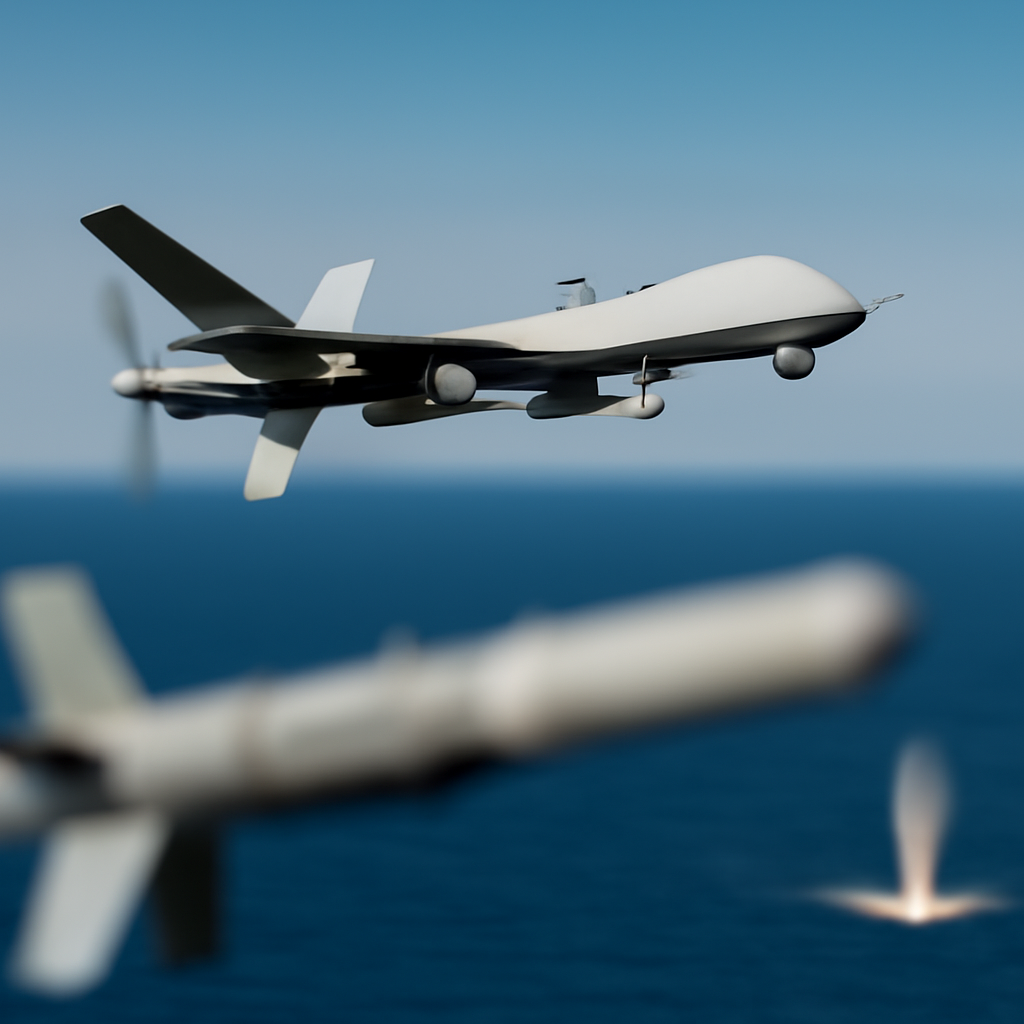
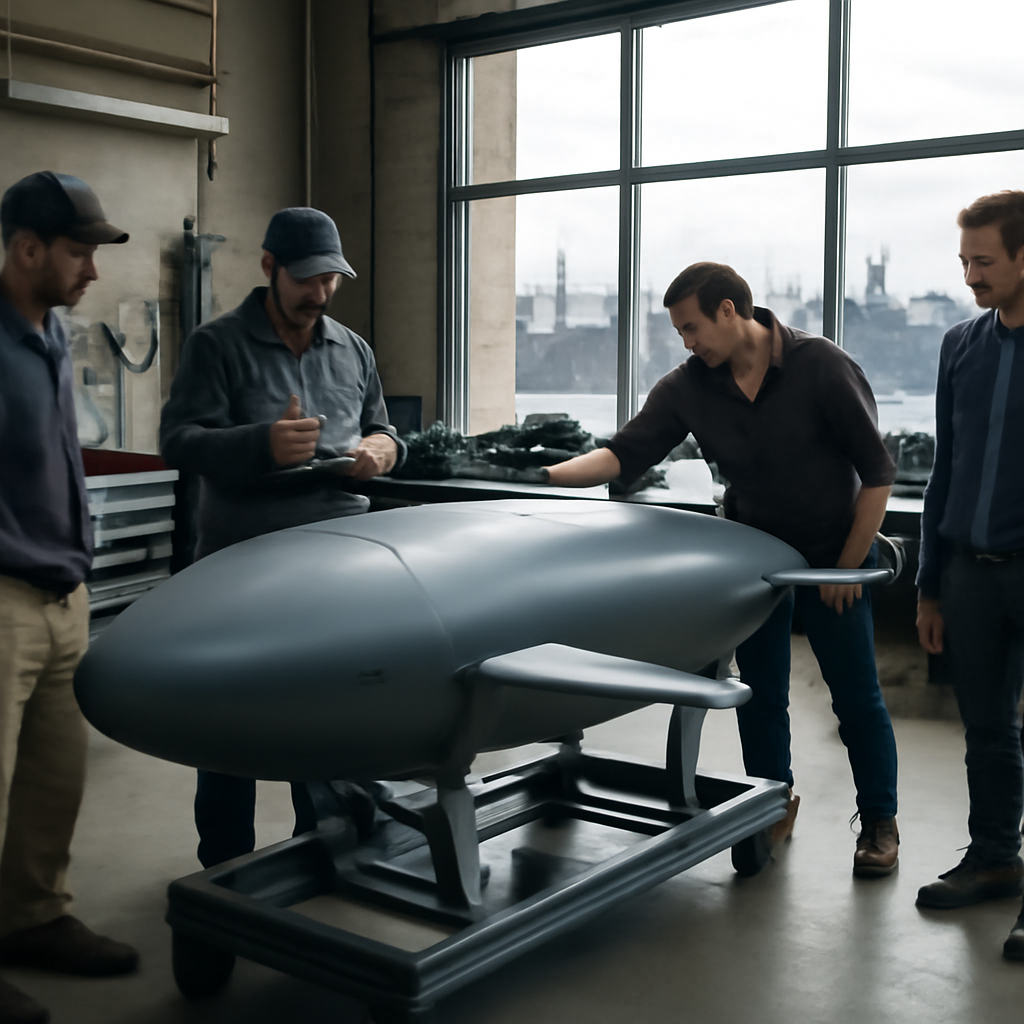
The United States, the United Kingdom and Australia have signed a trilateral agreement to jointly develop technologies for Uncrewed Underwater Vessels (UUVs), marking the first project officially announced under AUKUS Pillar 2. The accord, announced in a joint statement issued on the sidelines of the Shangri‑la Dialogue in Singapore, lays out a plan to design interchangeable payloads — including sensors and weapons systems — to be deployable across all three partners’ UUV fleets, with first deliveries slated for 2027.
Joint UUV payload programme under AUKUS Pillar 2
The agreement formalizes cooperative development of UUV payloads and associated enabling technologies. According to the UK Ministry of Defence and the joint statement by US Defense Secretary Pete Hegseth, UK Defence Secretary John Healy, and Australian Defence Minister Richard Marles, the programme will develop payloads such as sensors and weapons systems that can be integrated across allied platforms.
Each partner will initially focus on a different type of effect the payloads will deliver. Those effects will be designed to be interchangeable and integrated by each nation before the partners move to jointly develop and produce trilateral payloads and enabling technologies, the UK fact sheet said.
Delivery timeline and UK funding commitment
The leaders announced that the first deliveries of unspecified payloads will begin in 2027. The UK has committed £150 million (reported as $201.8 million) to the project, a concrete funding pledge tied to the initial development phase and interoperability work outlined by the partners.

Audit-ready is a season. It shouldn't be.
Evidence in spreadsheets, controls drifting between audits, frameworks multiplying on flat headcount. Nubivance runs continuous compliance on Rapid7 Cyber GRC - SOC 2, HIPAA, ISO 27001, PCI, CMMC.
End the scrambleInteroperability: shared standards, control systems, and operational concepts
The UK MoD fact sheet frames the programme as a vehicle to increase AUKUS interoperability through "shared standards, trilateral operational concepts, and common control systems." The statement links those technical enablers directly to the new payload programme, positioning common standards and control architectures as central to the partners’ ability to operate integrated UUV capabilities across national fleets.
Changes to Australia’s Virginia‑class submarine acquisition
The joint statement also announced revisions to Australia’s plan to acquire Virginia‑class submarines under AUKUS Pillar 1. Australia will streamline its acquisition by "simplifying supply chain management, operational and maintenance requirements, and maximising cost efficiencies," the partners said.
Under the revised plan, Australia will acquire three in‑service US Navy Virginia‑class submarines rather than the previously intended mix of new and in‑service boats. The earlier plan had been to acquire a pair of Block IV boats alongside a new‑build Block VII boat to build up a nuclear submarine capability while developing the SSN‑AUKUS class with the UK for entry into service in the 2040s.
How technologists, procurement leaders, and maritime infrastructure operators will react
- Technologists and security teams: They will be focused on the development of payload items the statement lists — sensors, electronic warfare capabilities, and weapons systems — and on implementing shared standards and common control systems that enable cross‑national integration.
- Procurement leaders and defence logisticians: The announced streamlining of Australia’s Virginia‑class acquisition — simplifying supply chains and maintenance requirements and emphasizing cost efficiencies — signals near‑term shifts in procurement and sustainment priorities that will require rapid coordination among the partners.
- Maritime infrastructure operators and seabed custodians: The partners explicitly say the UUV payload project is intended to "significantly enhance AUKUS partners' ability to protect critical national seabed infrastructure" and to address threats to underwater cables and pipelines, a direct focus for operators of those assets.
The joint statement ties these technical and procurement moves to a broader policy objective: the leaders "confirmed their support for expanding the breadth of the AUKUS license‑free environment between AUKUS partners by taking expeditious and practical steps to narrow the list of excluded technologies." The statement did not provide further details on which technologies would be recategorized or the timetable for such changes.
The agreement puts a defined timetable and funding line against a set of technical aims — interchangeable UUV payloads, shared control systems, and streamlined submarine acquisitions — while leaving several operational and licensing details unspecified. The first tangible deliverables are set for 2027, and the partners have already signalled a broader push to reduce export or licensing barriers within the AUKUS framework as part of the same package.