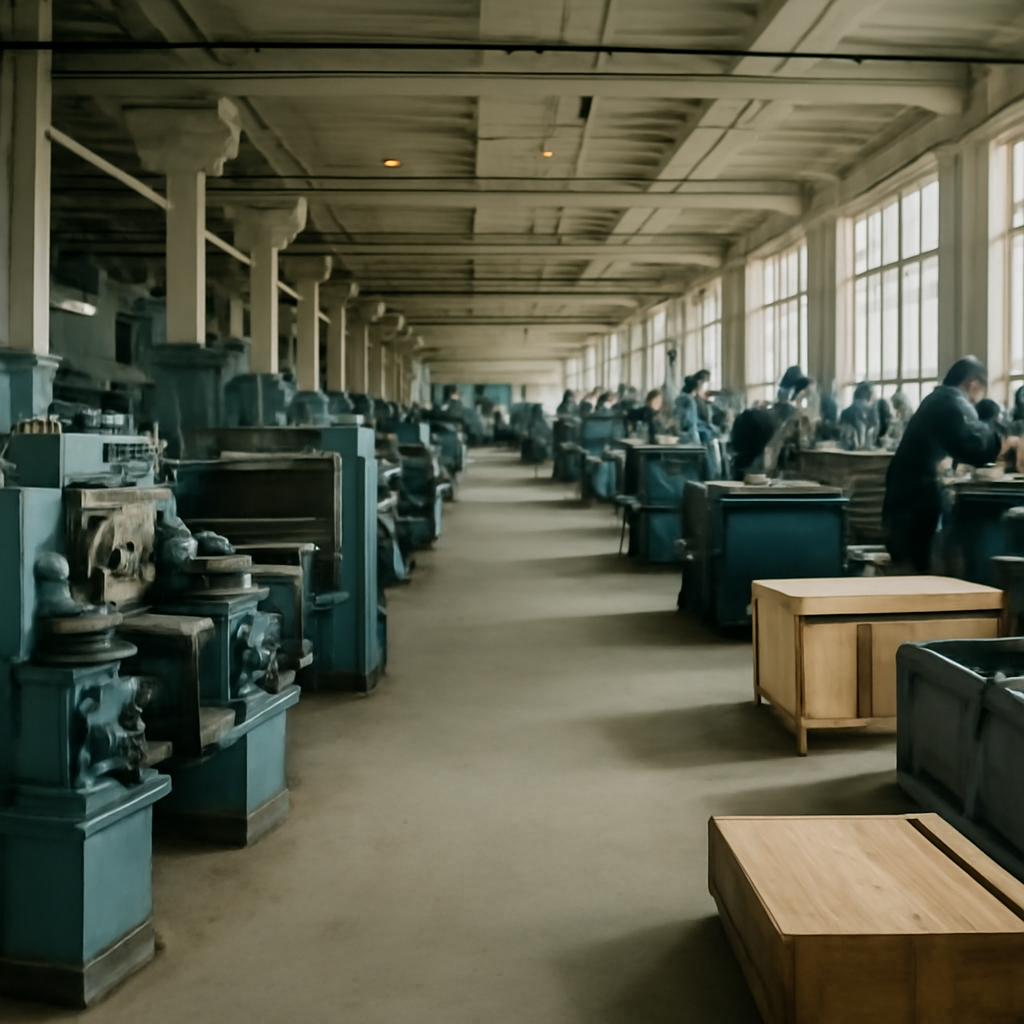
The Manufacturing Rodeo: a public stress test planned for 2027
The Army has announced a “Manufacturing Rodeo,” scheduled sometime in 2027, that the service describes as a public competition designed to surface where the industrial base fails to meet demand and where new approaches succeed. The event will not be a showcase of finished platforms but an operational probe: a way to “rope in new ways to improve supply chains and make parts in more places,” the acting Army chief said. The stated goal is to expose production bottlenecks and weak points by deliberately stressing the system.
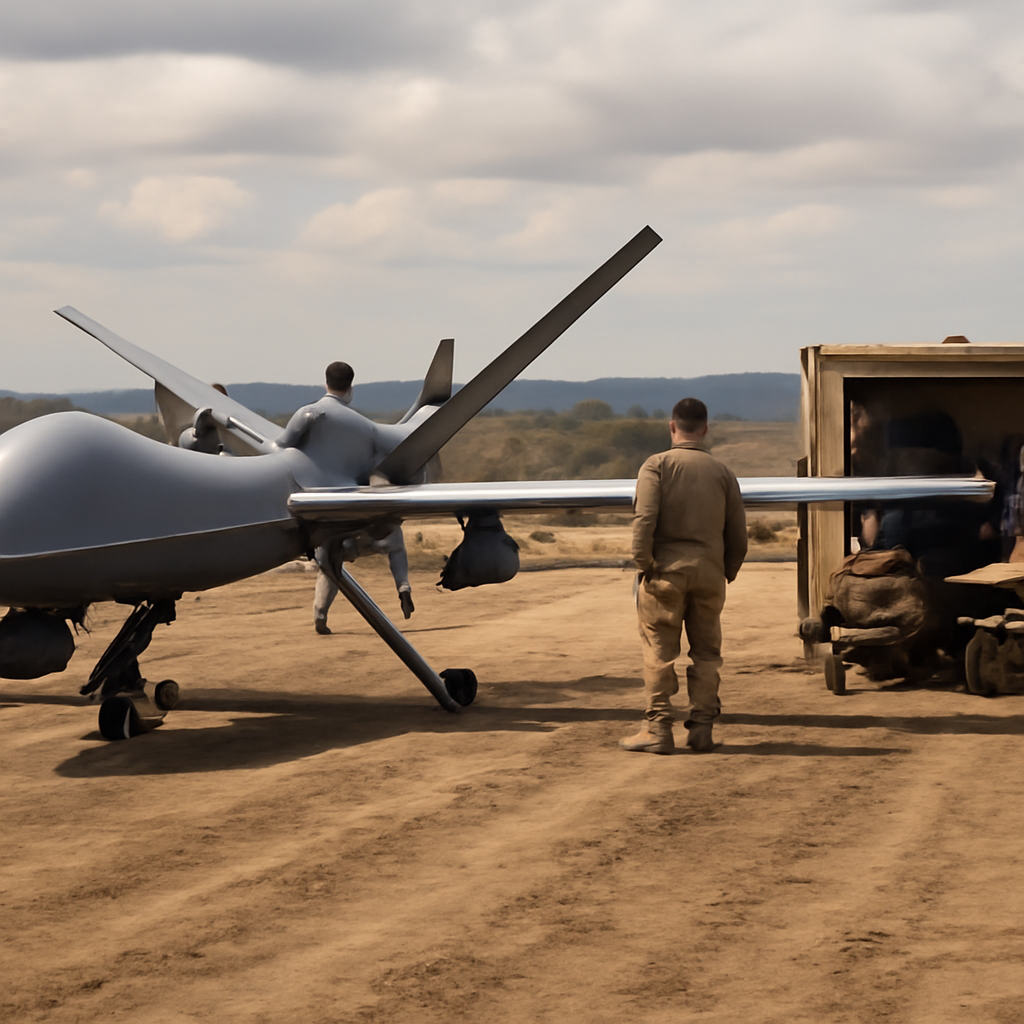
One-way attack drones as a test case for fragile chains
Adam Telle singled out unmanned systems as an example of supply-chain fragility. “The Army needs to ‘make millions’ of one-way attack drones,” he said, and added that such a requirement turns the platform into “a flying supply chain.” The point, he said, is that components for those drones are mostly produced outside the Army’s direct control: “Parts for such drones are largely made in China,” the acting chief said, and that market dominance, the service argues, can be used to support other autocratic states.

The cyber insurance questionnaire just landed. Now what?
SOC 2, HIPAA, insurance renewals - someone has to own security strategy. Nubivance provides fractional CISO leadership without the full-time salary.
Get a security leadHow the Army says it will break bureaucracy—and where it already has
Telle listed several actions the Pentagon has taken to reduce the time between concept and fielding. Among the steps noted: pushing more acquisition authority down to battalion-level commanders; increasing self-sustained power on U.S. bases; and introducing a program that permits private companies to test new weapons on Army ranges. That last point is complemented by a growing commercial test infrastructure—Telle cited new private ranges such as Second Bend Labs, which he said are renting time and space to defense startups.
“The biggest acquisition program”: fostering new companies
In a line that reframes acquisition priorities, Telle argued that fostering new firms is a more consequential program than any single platform buy. “When someone tells you the Army's biggest acquisition program is this tank or that helicopter or this missile system, tell them they're wrong. The biggest acquisition program in the Army is building a system of seamless, frictionless, symbiotic relationship with American ingenuity,” he said. That emphasis on industrial and entrepreneurial partnerships underpins the rationale for a public stress test: if the Army can create more places to make parts and more actors able to make them, it can dilute single points of failure.
What this means for defense startups, battalion commanders, and manufacturers
- Defense startups and private ranges: They gain access and a testing imprimatur. Telle noted private ranges such as Second Bend Labs are “renting time and space to defense startups eager to gain a foothold,” suggesting the rodeo will spotlight vendors that can rapidly produce and iterate components.
- Battalion-level commanders: More authority is already being pushed downward. The acting chief listed “pushing more acquisition authority down to battalion-level commanders” as a concrete change intended to shorten procurement timelines and allow local commanders to solve pressing capability gaps.
- Manufacturers and supply-chain managers: The rodeo aims to “strain the nation's larger industrial base” and identify where “it breaks.” Firms that control critical components — especially those concentrated geographically or by supplier — will be central to whatever remedies the Army pursues.
Adam Telle framed the challenge in geopolitical as well as industrial terms, arguing that where economies function as extensions of national security apparatuses they can be “ruthlessly efficient” in deploying weapons: “Over there, you flip a switch, and by law, by design, the economy is nationalized,” he said. That contrast underlies the urgency of the Rodeo: if key parts are concentrated offshore, the Army believes those concentrations can be exploited to disrupt U.S. forces or their partners.
The Manufacturing Rodeo is intended to be both diagnostic and catalytic. It will attempt to find the breaks before they are discovered in crisis, showing how far decentralizing production, empowering commanders, and engaging new private testing infrastructure can go toward solving long-standing bottlenecks. The question the Army has put into the open: when you deliberately strain the system, where does it fail—and who will step up to make it right?
Original reporting: https://www.defenseone.com/technology/2026/10/army-plans-rodeo-round-supply-chain-problems/416550/