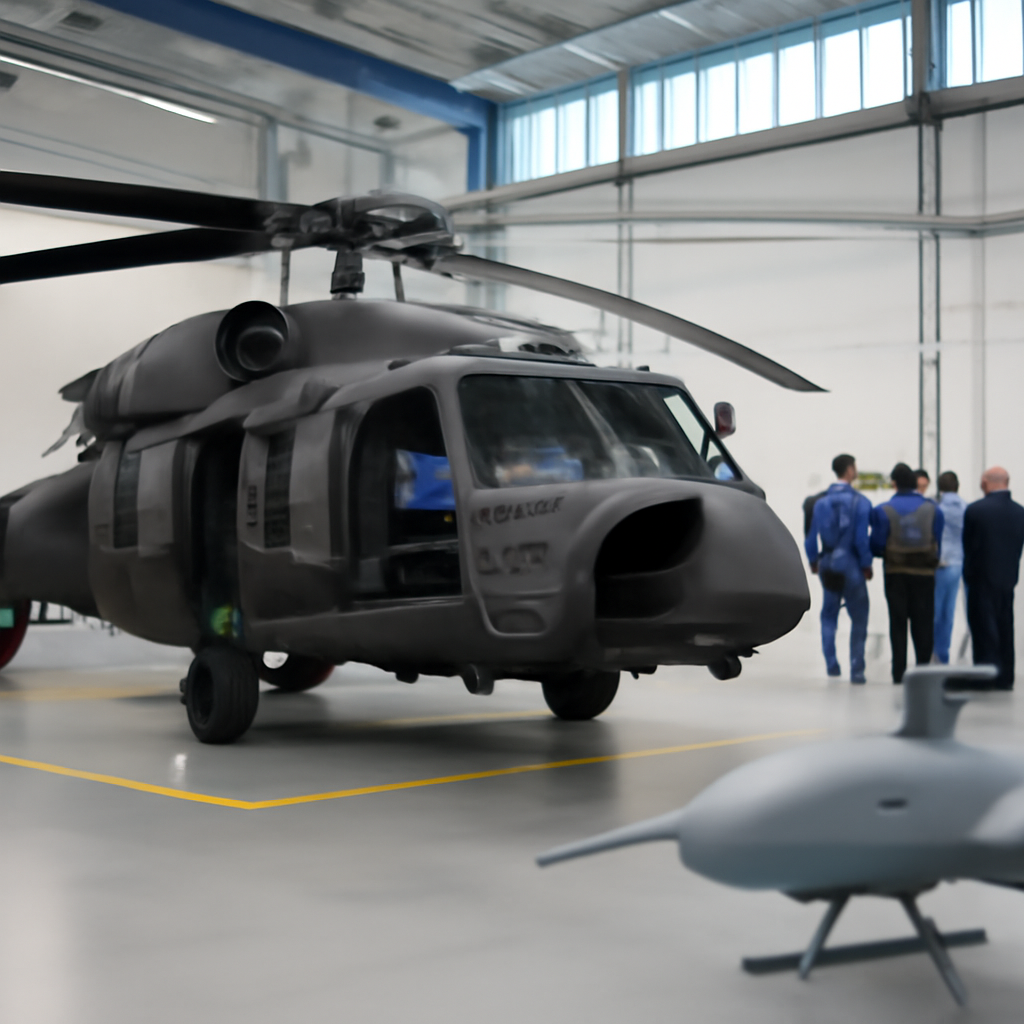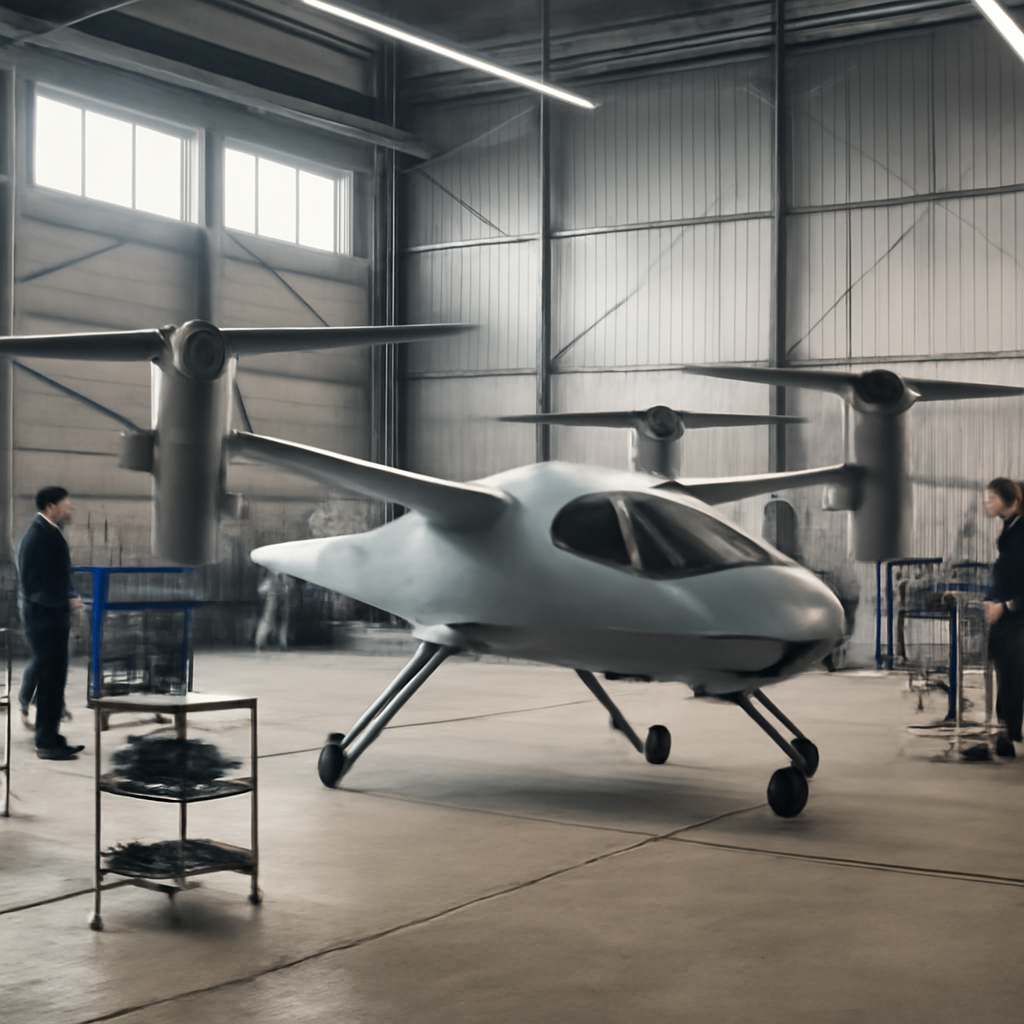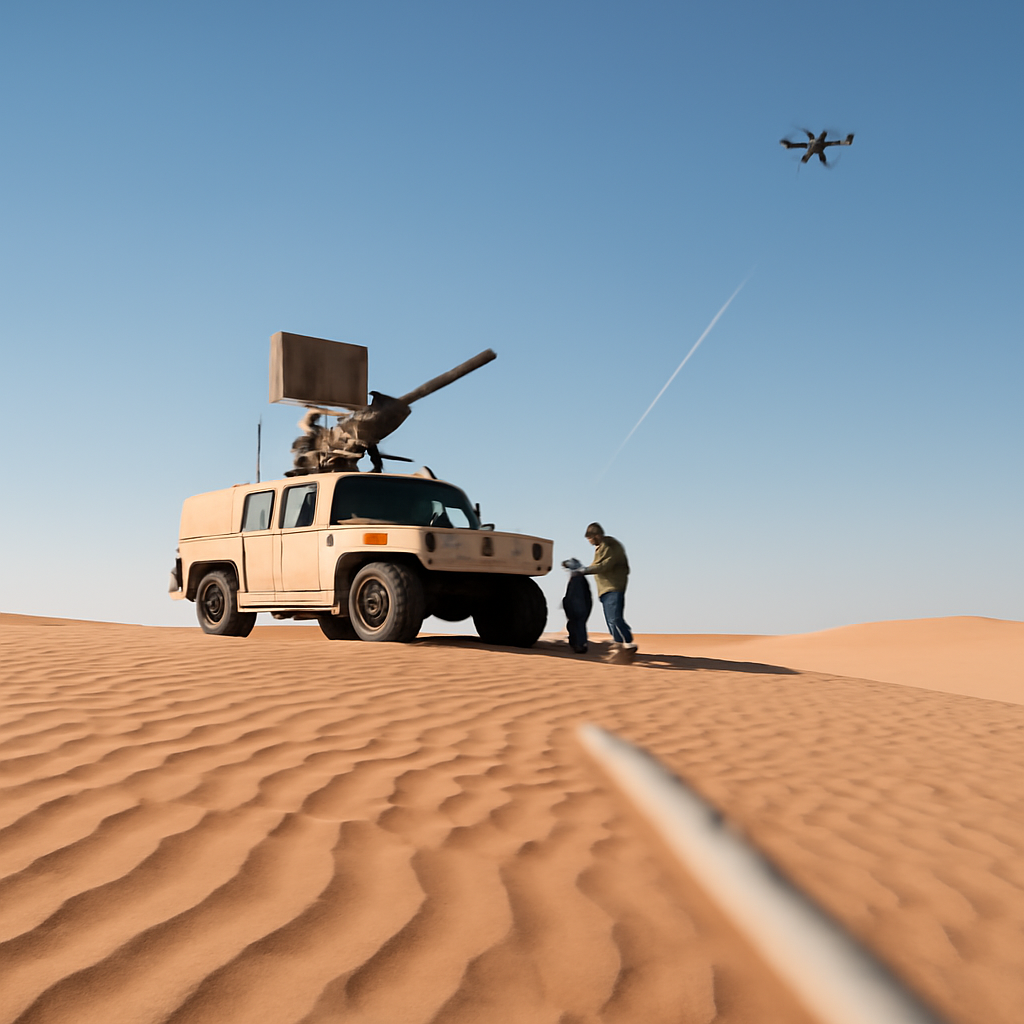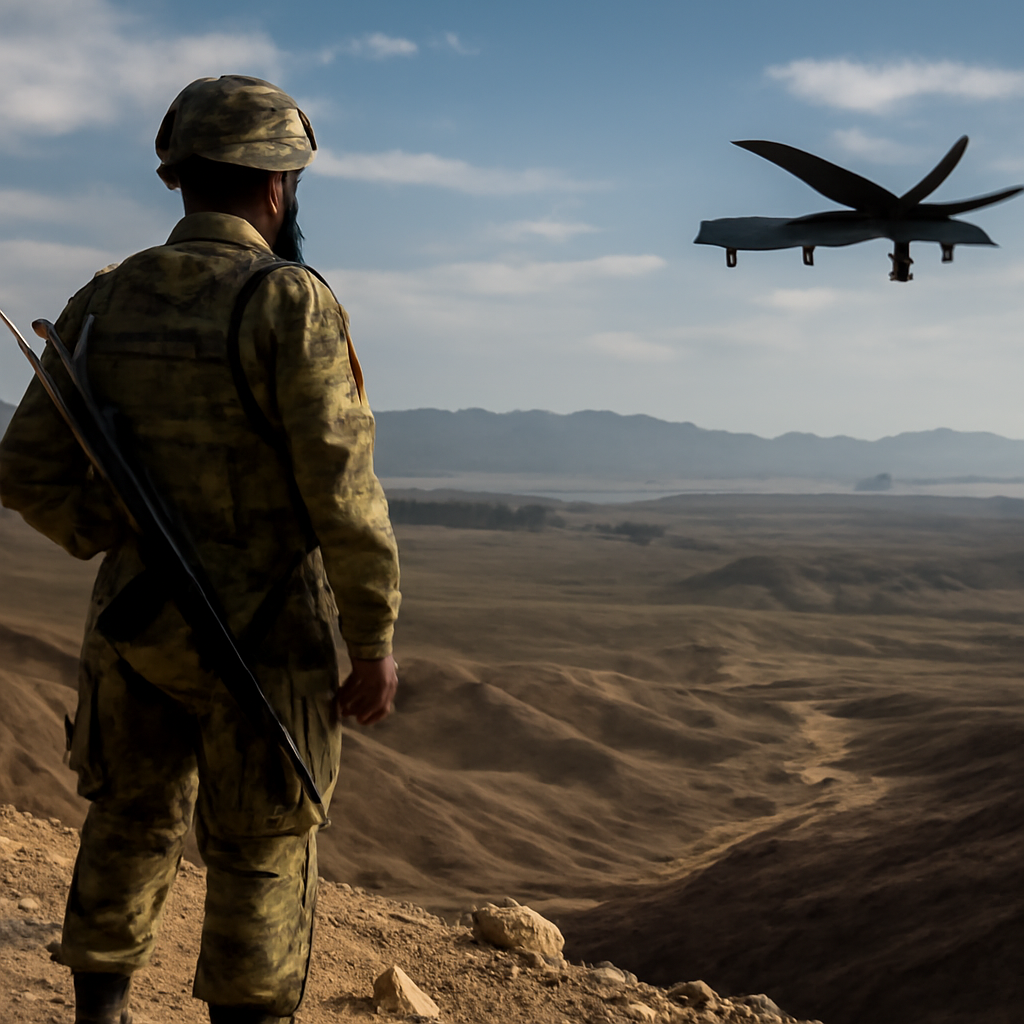
“Pakistan’s air defense system shot down eight drones after they entered the country’s airspace from Afghanistan on September 23.”
The September 23 intercepts and Islamabad’s response
On September 23, Pakistan’s air defenses intercepted eight unmanned aerial vehicles that had entered from Afghanistan—four near the Torkham border crossing and four near Kohat in Khyber Pakhtunkhwa. In direct response, Pakistan struck 10 locations in Afghanistan identified as being used by the Afghan Taliban to launch and store drones. The episode is the latest flashpoint in a mounting drone campaign that, according to the source, has added “a dangerous new dimension” to an already fragile bilateral relationship.
How Taliban drone use has evolved since 2016
The Afghan Taliban began using unmanned aerial vehicles (UAVs) in 2016 for propaganda, then expanded their roles to reconnaissance, surveillance and the delivery of explosives. Between February 27 and March 15, 2026 the Afghan Taliban claimed responsibility for 15 drone attacks in Pakistan’s Khyber Pakhtunkhwa province and Islamabad. Their procurement model mixes commercially available platforms, systems obtained through regional networks, and locally modified or assembled equipment—making the technology more accessible and harder to control.

The cyber insurance questionnaire just landed. Now what?
SOC 2, HIPAA, insurance renewals - someone has to own security strategy. Nubivance provides fractional CISO leadership without the full-time salary.
Get a security leadOperational reach: launch sites, kamikaze drones, and countermeasures
The analysis identifies the Afghan Taliban’s 313th Battalion, linked to the Haqqani network, as a user of one-way attack—or “kamikaze”—drones. Launch points in Kandahar, Nangarhar, Paktia and Paktika reduce the distance to Pakistani targets in Quetta, Peshawar, Islamabad and Waziristan, widening the area at risk. The Taliban have reportedly acquired anti-drone systems and are preparing to deploy them at the 205th Corps in Kandahar and near Spin Boldak to counter Pakistani drones along the border.
That combination of offensive and defensive unmanned capabilities complicates the tactical picture: small attack drones can probe defenses, observe troop responses, and carry explosive payloads, while anti-drone systems could blunt Pakistan’s ability to interdict launches close to the frontier.
What a layered Pakistani counter-UAV posture would require
The source argues Pakistan must adopt a layered counter-UAV architecture rather than treat counter-drone work as a niche capability. Detection cannot rely solely on conventional radar—small, low‑flying drones operate in cluttered urban and mountainous borderlands—so Islamabad needs “a combination of short-range radar, electro-optical and infrared sensors, radio-frequency detection, and other technologies capable of identifying unusual aerial activity.”
Neutralization options should be similarly layered: electronic warfare, communications jamming, spoofing and conventional interceptors will each have roles depending on the threat. The analysis also recommends investment in artificial intelligence and data analysis so systems can learn from repeated attacks—launch patterns, flight routes, frequencies and target selection—with the goal of moving from reactive interception to predictive defense.
Domestic production and sustainment are presented as strategic priorities. The source notes movement toward indigenous drone production in Pakistan, arguing that the ability to build, modify, repair and upgrade systems reduces reliance on foreign suppliers and the vulnerability that can come with it during prolonged crises. Border management must integrate sensors, surveillance aircraft, drones, ground-based monitoring and rapid-response units into a single network, supported by intelligence sharing between civilian and military agencies.
What this means for Pakistan, the Afghan Taliban, and the TTP
- Pakistan: Must treat counter-drone capability as central to national security, build a layered detection/neutralization architecture, expand domestic production and integrate cross-agency intelligence to protect airports, power stations, military facilities and other critical infrastructure.
- Afghan Taliban: Has transformed drone use from propaganda to one-way attack and reconnaissance missions, established launch sites that shorten ranges to major Pakistani cities, and is preparing defensive measures—acquiring anti-drone systems at the 205th Corps and Spin Boldak.
- Tehreek-e-Taliban Pakistan (TTP): Stands to benefit from transfer or facilitation of drone technology; the analysis highlights the risk that Taliban-held territory could enable affiliated groups to adopt and adapt cheap systems for domestic attacks against Pakistan.
The central danger, the source warns, is not a single large fleet but the multiplication of small, inexpensive systems that can be bought in numbers, adapted locally and used repeatedly to observe, test defenses and strike. Effective interception so far has not removed the broader problem: accessibility of drone technology, the shrinking distances from launch to target, and the possibility of an accelerating cycle of action and retaliation.
The report urges negotiation alongside defense. It recommends verifiable commitments from the Afghan Taliban: “Afghan territory must not be used for attacks against Pakistan; militants should not receive access to military technology in Afghanistan; mechanisms for investigating cross-border incidents should be created; and both sides should maintain direct communication during crises.”
Whether Islamabad pursues a costly build-up of counter-drone networks, deeper domestic production, or a mix of defense and diplomacy, the September 23 intercepts underline a simple fact from the reporting: the frontier has become a battlefield governed as much by microelectronics and cheap airframes as by traditional force posture. How Pakistan and the Afghan Taliban choose to manage that mix will determine whether drone strikes become a persistent irritant or an escalatory drag on an already fragile relationship.
https://thediplomat.com/2026/10/the-afghan-talibans-growing-drone-war-against-pakistan/