[SPONSOREDNUBIVANCE]
Know a small business winging it on security?
No IT department, no security budget, real exposure. Nubivance builds right-sized security foundations for small companies. Send them this.
Send it alongCybersecurity intelligence, threat analysis, and national security reporting.

A massive data breach at KDDI Corporation has put 12.2 million customer emails and 7.6 million passwords at risk, all stemming from a single unpatched vulnerability in a third-party software system. This staggering incident highlights the importance of robust cybersecurity measures, even for seemingly secure systems.

Meet CAI, a malicious botnet that's disrupting rival operations, swiping sensitive secrets, and mining cryptocurrency - all while eliminating competing malware to maintain its grip on compromised targets. This centralized worm is a powerhouse of credential theft and cryptomining, making it a force to be reckoned with.

Tenda routers have a shocking security flaw: a hidden backdoor that can give attackers full control of your device, allowing them to hijack your admin access. This vulnerability, tracked as CVE-2026-11405, lets hackers easily bypass standard login security and take over your router.

GitHub's Agentic Workflows are vulnerable to a data leak threat, as researchers have demonstrated a clever technique called GitLost that tricks AI agents into spilling private content from secure repositories into public comments. All it takes is a simple public issue to launch the attack, with no stolen credentials or special access required.

Watch out for phishing scams targeting Facebook Business users - red flags include broken graphics, suspicious links, and unsolicited emails promising exciting opportunities. Experts warn that cybercriminals are getting sneaky, using legitimate-looking emails and Messenger chatbots to trick victims into taking action.

Cyber attackers have cleverly exploited Microsoft's device code login flow to hijack M365 accounts, using a sneaky collaboration-style lure to trick users into handing over session tokens without even needing to steal passwords. This clever tactic abuses the OAuth 2.0 Device Authorization Grant, designed for constrained devices, to bypass security measures like multifactor authentication.

China-aligned hackers are targeting universities in the US and Canada, exploiting vulnerable Roundcube webmail servers to gain access to sensitive physics and engineering departments with potential national security links. This latest campaign highlights the ongoing threat of email-based attacks and the need for robust server security.

Eight individuals targeted in Greece's Predator spyware scandal are taking a stand, suing the spyware maker for €8 million in moral damages after their devices were hacked between 2020 and 2021. Led by lawyer Zacharias Kesses, the group is seeking justice and accountability for the victims of this massive digital breach.
No IT department, no security budget, real exposure. Nubivance builds right-sized security foundations for small companies. Send them this.
Send it along
Spain's National Police have thwarted a daring escape plan by a suspected pro-Russian hacktivist, exposing his secret communications with terrorist groups and freezing his cryptocurrency assets. The suspect, allegedly part of the notorious CyberArmy of Russia Reborn and Z-Pentest groups, was caught after a months-long investigation sparked by a tip from the FBI.

The Department of Homeland Security is actively investigating a data breach that compromised sensitive information within a multilateral sharing network, with the intrusion believed to have occurred between late May and early June. The breach involved unclassified, legacy data, and DHS is working to determine the full extent of the incident.

Saab's GlobalEye has taken off, with its ITAR-free edge capturing attention worldwide - and a growing list of countries, including Sweden, France, and Canada, are taking notice. From a single delivery to the UAE in 2020 to a widening international roster, GlobalEye is rapidly becoming the go-to airborne early warning and control aircraft.

India takes a giant leap in military strategy with the launch of its first five Integrated Battle Groups, a game-changing formation that combines 5,000 troops into a single, powerhouse unit. This bold move has sparked a scramble in neighboring Pakistan to keep pace with its rival's innovative military might.

The global rules of power have changed, and recent strategic failures reveal a harsh truth: it's not technology that's the problem, but flawed decision-making. From intelligence missteps to misguided priorities, the consequences can be catastrophic, as seen in the US's unprepared response to Iran's retaliation.
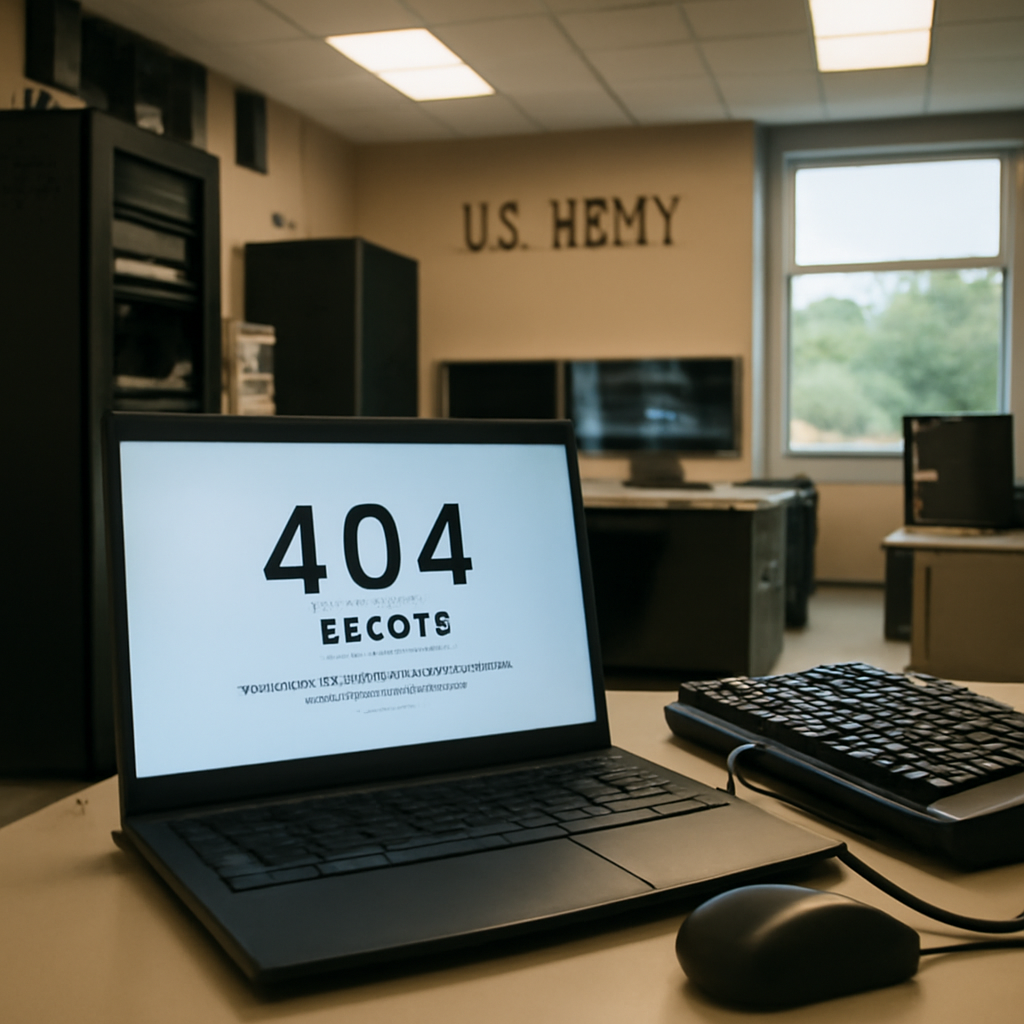
The US Army has confirmed that two of its websites, oil.army.mil and ai2c.army.mil, were recently hijacked in a 404 error page defacement campaign, displaying politically charged messages that denigrated high-profile figures and promoted a separatist cause. The incident was discovered by independent researcher Ronald Lovelace and reported to US Army officials.
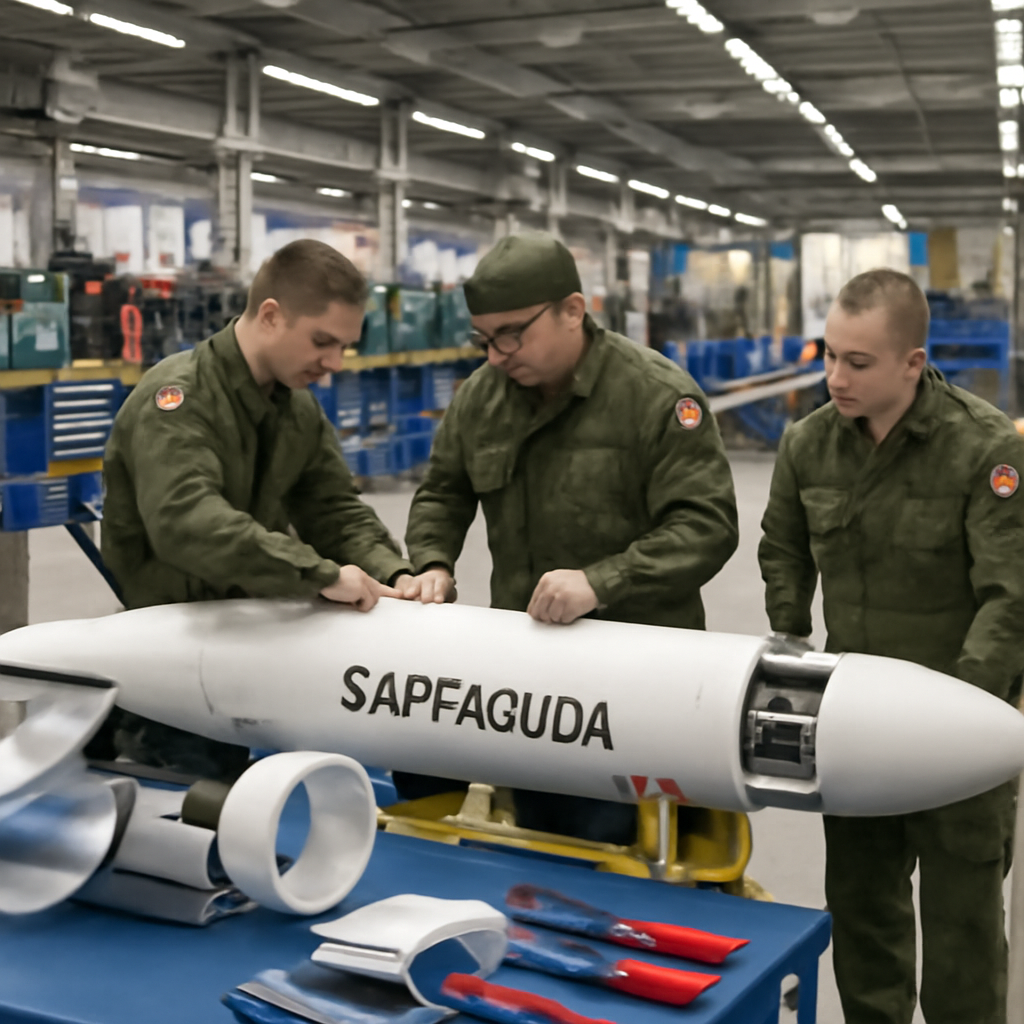
Poland is set to start mass-producing the game-changing Barracuda cruise missiles, a precise, affordable, and electronic warfare-resistant defense system, in partnership with Anduril Industries. This breakthrough move comes after a memorandum was successfully converted into a production program, paving the way for thousands of missiles to bolster the Polish Armed Forces.

A critical flaw in Writer AI, dubbed WriteOut, could let an outsider hijack any account and take over an entire organization with just a single link - no login credentials required. This shocking vulnerability highlights the urgent need for robust security measures in AI-powered platforms.
Full-platform Rapid7 rollouts - InsightVM, InsightIDR, event sources, agents, tuning - by a Registered Partner who has done it at state-agency scale, including OT/SCADA.
Talk deployment
Within weeks of Xi's warning to Trump, Beijing seems to have put its words into action, ramping up diplomatic pressure on Taipei with a series of aggressive moves. Taiwanese President Lai Ching-te's attempted trip to Eswatini was nearly derailed when three African countries rescinded overflight clearances at China's request.

In a significant move, China's military leadership has been reshaped with the promotion of two lieutenant generals to full general, amid a backdrop of sweeping purges that have rocked the People's Liberation Army. On July 3, Zhang Shuguang and Wang Gang were elevated to their new roles, marking a major shift in the PLA's top ranks.

Canada is set to revolutionize its naval capabilities with a massive $86 billion submarine deal, securing a cutting-edge fleet of up to 12 under-ice-capable submarines to bolster its Arctic presence and NATO ties. The deal, with ThyssenKrupp Marine Systems as the preferred supplier, marks a major milestone in modernizing the Royal Canadian Navy's outdated fleet.

President Donald Trump announced that a new granite helipad will be built on the South Lawn, ending 50 years of grass landings that have taken a toll on the grounds. The $5-6 million project, funded by Sikorsky, aims to protect the lawn from the intense heat and rotor wash of the new VH-92A Patriot helicopters.

China-aligned hackers have launched a sneaky attack on universities, exploiting two flaws in the popular Roundcube webmail client to steal credentials and gain persistent access. At least a few dozen universities are believed to be affected, with Proofpoint researchers confirming fewer than 10 intrusions so far.

In a brazen ransom email, the attackers boldly declared, "IMPORTANT: WE STOLE THE DATA, CONTACT UMMEDIATELY," leaving no doubt about their malicious intentions. The hackers infiltrated the retailer's network through a clever help-desk ploy, tricking staff into resetting passwords and gaining control of critical accounts.

China has just revealed its latest game-changer: the JL-3, or 'Giant Wave 3', a third-generation intercontinental-range submarine-launched ballistic missile that's set to take the country's military capabilities to new depths.

A single misstep in a GitHub Actions workflow can become a four-step chain to permanent credential exposure, putting your entire CI/CD pipeline at risk. Researchers have uncovered a class of vulnerabilities, dubbed Cordyceps, that can be exploited in a surprisingly simple way.