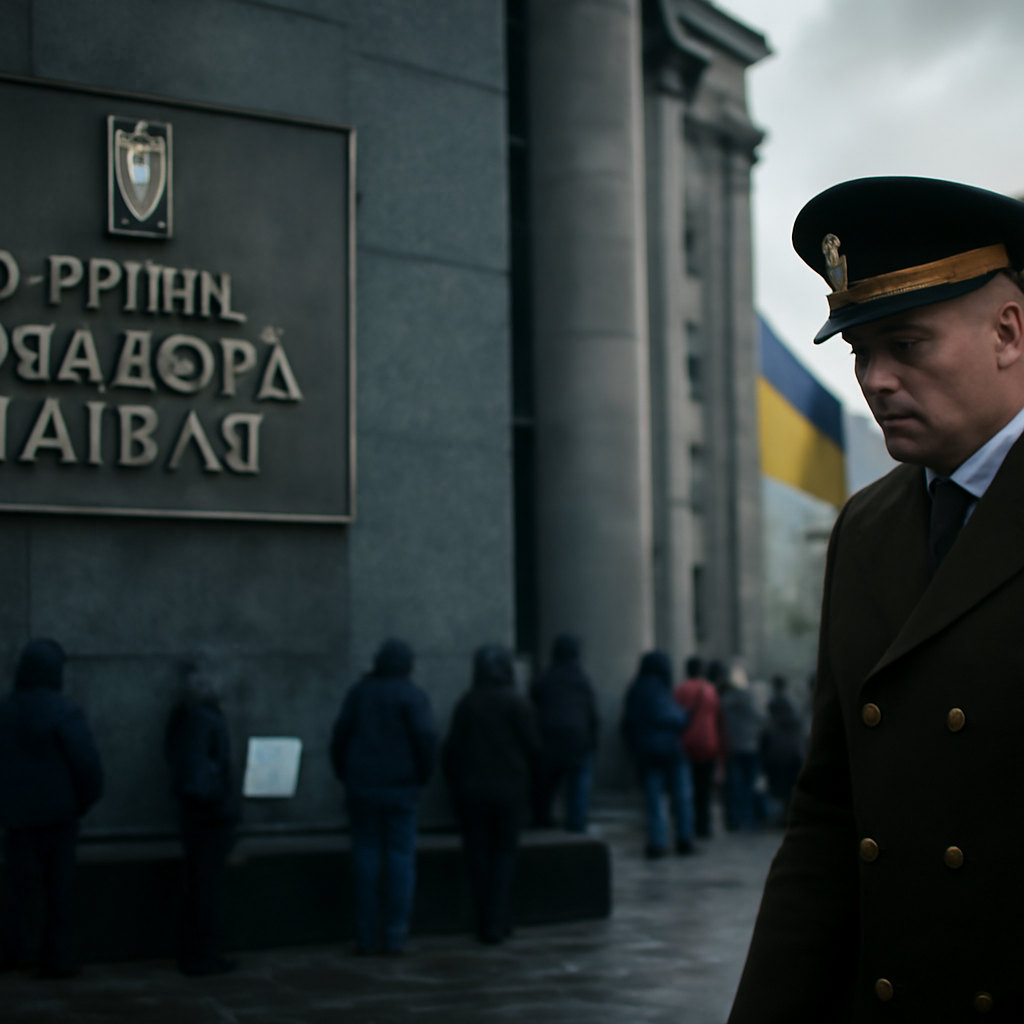
"War has changed completely. Drone technology and command systems change multiple times a year," Mikhailo Federov told reporters as one of his last acts in office.
President Zelenskyy’s decision to fire Mikhailo Federov
Ukrainian President Volodymr Zelenskyy removed Mikhailo Federov from the defense ministry on Wednesday, a move the president framed as necessary because, he said, Fedorov "was making procurements at his own discretion, rather than following the requests of the General Staff and the military." Zelenskyy made that remark to other Ukrainian officials, according to state media. The dismissal followed a publicized feud between the defense minister and the commander-in-chief of the armed forces, Gen. Oleksandr Syrskyi.
Feud with Gen. Oleksandr Syrskyi
Federov himself laid out the divisions in his final briefing. He accused Syrskyi of refusing "to acknowledge the new realities of war" and of avoiding open, face-to-face discussion of problems, instead preferring "backroom meetings" and intrigue. The dispute over procurement authority—particularly reported purchases of artillery shells—was the justification Zelenskyy cited for the removal.

Audit-ready is a season. It shouldn't be.
Evidence in spreadsheets, controls drifting between audits, frameworks multiplying on flat headcount. Nubivance runs continuous compliance on Rapid7 Cyber GRC - SOC 2, HIPAA, ISO 27001, PCI, CMMC.
End the scrambleFederov’s approach: drones, Starlink, long-range strikes and robot-led assaults
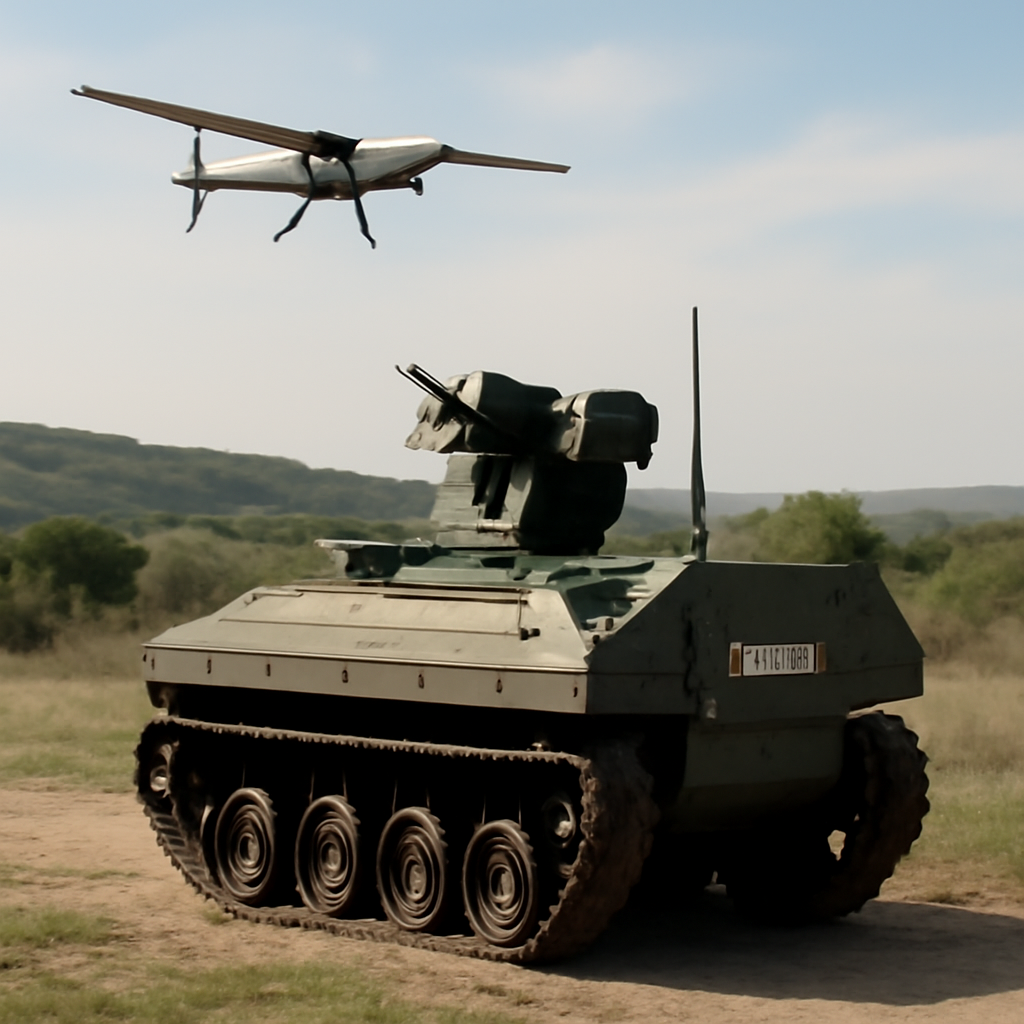
Federov has publicly and privately pushed a reshaping of Ukraine’s military approach. He argued for adding more forward drone assault forces and for adapting to rapid cycles of technological change. The country’s campaign this year has moved from largely defensive operations into offensive maneuvers that include long-range strikes into Russia and robot-led ground assaults that recovered territory while reducing some risks to Ukrainian troops, the reporting said.
One government military analyst, speaking on background, credited Federov with helping negotiate operational use of SpaceX’s Starlink for Ukrainian troops while restricting use by Russian forces. That analyst also said Federov "had a good plan to win" and that his "theory of victory" contained elements that could give Ukraine a qualitative military edge.
Reactions: protests, media coverage, and alarm from allies
Federov’s dismissal sparked protests across Ukraine and drew "wall-to-wall coverage" in the country’s media, the reporting said. It also prompted condemnation from foreign allies and a chorus of alarm from former U.S. and Ukrainian officials, analysts, and others who spoke to Defense One. One former senior U.S. official who worked on Ukraine matters summed up the reaction bluntly: "It makes no sense."
Voices quoted in the reporting expressed a range of concerns: a second analyst said "The generals hate [Fedorov] the way generals hate civilians with better ideas than their own." A third analyst called the firing "a bad sign," and a former senior Ukrainian military official said, "This is very bad." Separately, a former senior U.S. official argued the decision fit a pattern in which the president favors loyalists over reformers, saying this has led Zelenskyy to keep corrupt officials too long and sack competent reformers who are not intensely loyal. One prominent analyst and tech entrepreneur close to the government summed up the president's behavior with the phrase, "Zelenskyy’s usual shit."
How the Ukrainian military, foreign allies, and tech partners are responding
- Ukrainian military leaders: The reported conflict between Federov and Gen. Syrskyi centers on procurement control and operational concepts; the dispute raises questions inside the command structure about who decides battlefield priorities and how rapidly to adopt new tactics such as forward drone assault forces.
- Foreign allies and former officials: Multiple former U.S. and Ukrainian officials have expressed concern that removing a politically popular, reform-minded defense minister could undermine operational momentum and erode confidence among international partners who have supported recent offensive gains.
- Technology partners and defense suppliers: Federov was credited by a government analyst with securing operational access to Starlink for Ukrainian forces. His removal injects uncertainty for private-sector actors and tech partners who had been engaged with his office on enabling capabilities tailored for the battlefield.
The firing of Mikhailo Federov has crystallized a deeper debate inside Ukraine about procurement authority, the pace of military adaptation, and the balance between political loyalty and reform. The immediate facts are narrow—Zelenskyy dismissed Federov after their high-profile clash with Gen. Oleksandr Syrskyi, and the move prompted protests and sharp criticism from allies and experts—but the consequences are wider. Federov urged replacing Syrskyi and moving faster on drone-led tactics; his removal leaves open whether his approach will survive in policy or personnel.
For now, the country has lost a defense minister who argued the "war has changed completely," while protesters and allied analysts ask whether that argument—about rapid technological change and procurement agility—will shape Ukraine’s next steps or be sidelined by internal politics.