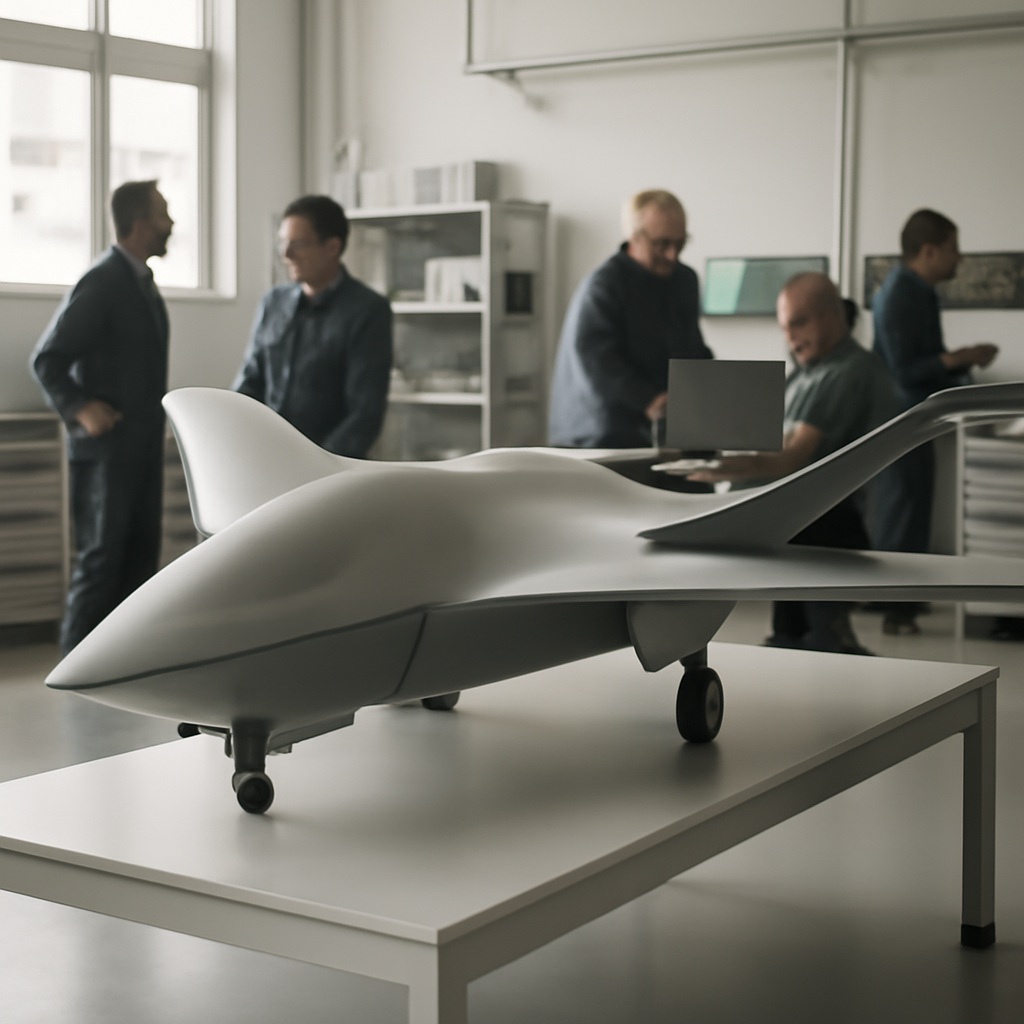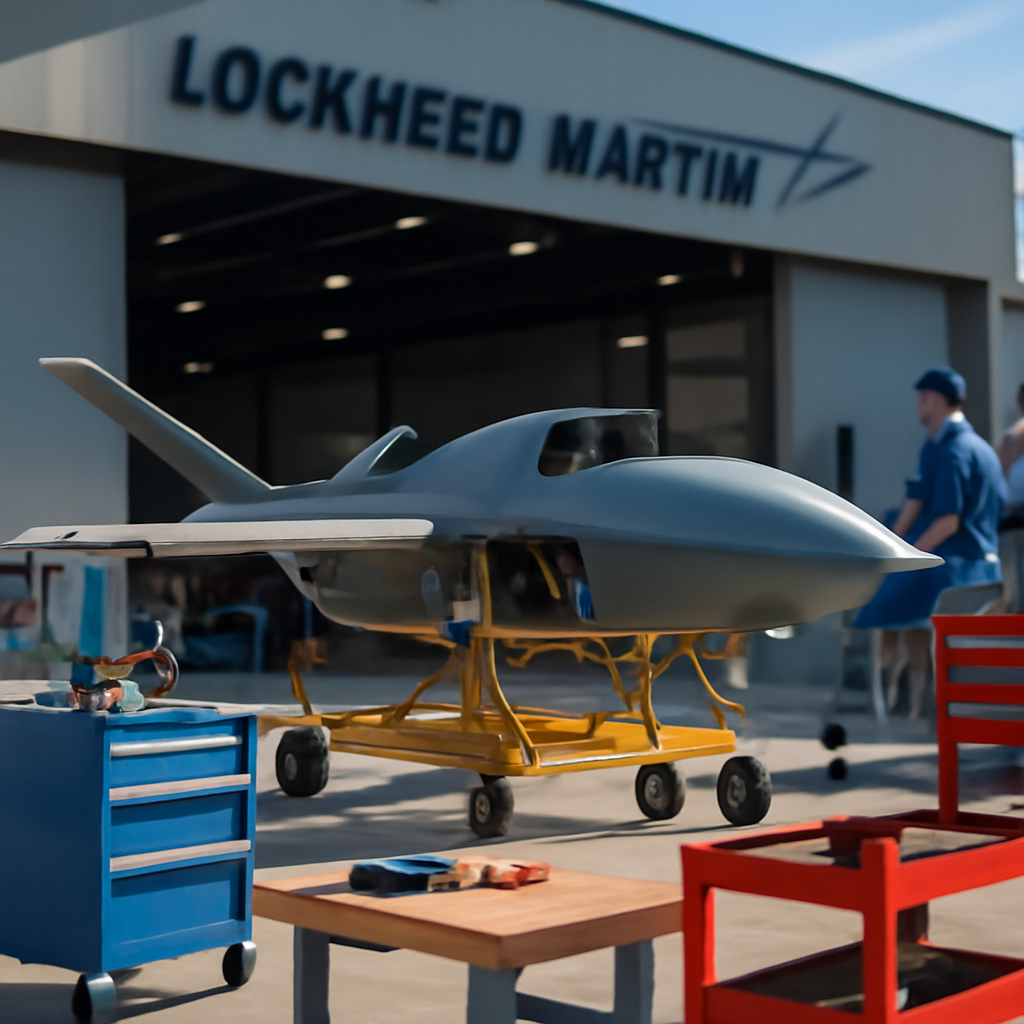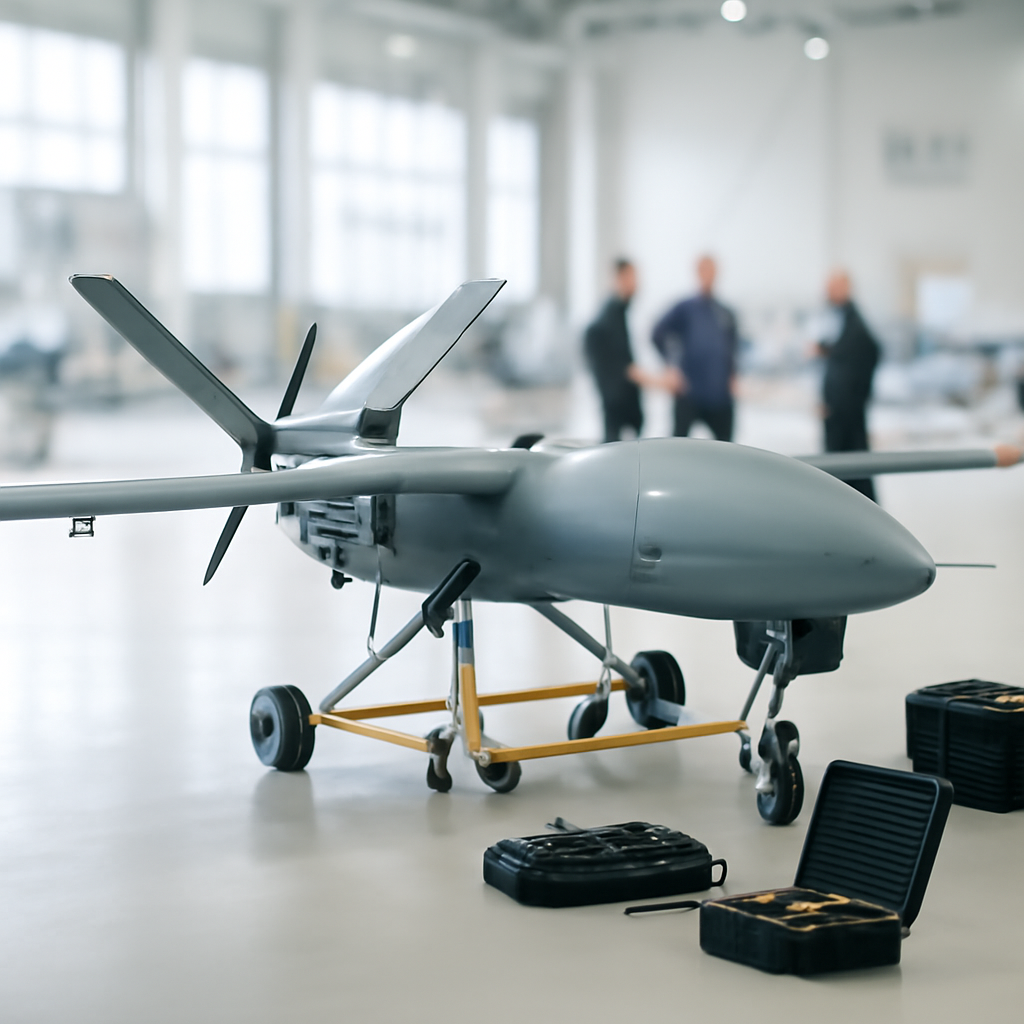
“We will have autonomous fighters like the Collaborative Combat Aircraft, or CCA. We intend to have at least 500 of these in service by 2032,” Secretary of the Air Force Troy Meink said during his keynote at the Air & Space Forces Association’s 2026 Air, Space & Cyber Conference.
Troy Meink: 500 CCAs and 500 MMAs by 2032
Meink’s announcement set explicit, parallel fleet goals for two distinct programs. For Collaborative Combat Aircraft (CCA), the service now aims for at least 500 platforms in service by 2032. For Massed Modular Aircraft (MMA) — described as successors to the MQ-9 Reapers — the Air Force’s plan is also to field 500 platforms by 2032, with an initial target of 100 MMAs in 2029. Meink said the MMAs would be “at even a lower cost than the CCAs and a fraction of [the] cost of manned aircraft we build today.”
FQ-42 “Vengeance” and FQ-44 “Fury” moving into production
The Air Force has also formalized names for its first Increment 1 CCAs. General Atomics’ FQ-42 is now nicknamed Vengeance, and Anduril’s FQ-44 is nicknamed Fury. Production orders for both types were announced in June, and Meink said “the first FQ-42 and FQ-44 increments are already rolling off the assembly line.” Photographs of YFQ-42A and YFQ-44A prototypes have been published alongside testing details, including one image showing a YFQ-44A with an inert AIM-120 air-to-air missile during a test.
On cost, the Air Force has previously targeted a CCA unit price of around $20 million once full-rate production begins. The MMA program’s unit cost is stated at approximately $10 million per airframe.

The cyber insurance questionnaire just landed. Now what?
SOC 2, HIPAA, insurance renewals - someone has to own security strategy. Nubivance provides fractional CISO leadership without the full-time salary.
Get a security leadIncrement 1 and the evolving force-structure story
The current 500-CCA target arrives after years of shifting projections. In 2023, then-Secretary of the Air Force Frank Kendall outlined plans for at least 1,000 CCAs across the program’s life. The service later discussed a much smaller initial fleet — between 100 and 150 drones. When production orders were announced in June, Meink said contracts “reaffirm our confidence in the strategic path forward for the program to procure over 150 combat capable CCA by the end of the decade.” Increment 1 covers the FQ-42 and FQ-44; Meink acknowledged at the conference that at least one additional increment is planned and that Increment 2 types could be factored into the latest 500-drone figure.
Experimental Operations Unit — Creech and Edwards testing
The Air Force is still defining how CCAs will be deployed and operated. To that end, the service has stood up an Experimental Operations Unit (EOU) to lead operational experimentation for future CCA employment, including launch, recovery, support, and tactical employment. The EOU led operational testing of YFQ-42 and YFQ-44 prototypes at Creech Air Force Base in Nevada in July and supported a similar exercise at Edwards Air Force Base in California in April. Meink emphasized the point: “Getting them [CCAs] into these developmental kind of operational units, so they can start experimenting with that – familiarity breeds confidence, right?”
What this means for Air Force procurement leaders, combat commanders, and manufacturers
- For procurement leaders: Meink’s comment that the service “could actually build more than we can actually afford to buy” signals a potential tension between production capacity and budget — and highlights the importance of unit-cost assumptions ($20M for CCA, ~$10M for MMA) in program planning.
- For combat commanders: Chief of Staff Gen. Ken Wilsbach framed CCAs and MMAs as operational enablers, saying CCAs “change how we project power and generate mass in highly contested environments” and that MMA will “provide affordable, attritable, long-range strike.” Meink also cited lessons from recent operations, telling the conference that ISR/strike platforms were “essential” in Epic Fury.
- For manufacturers: Incremental buys and the prospect of multiple increments create repeat opportunities. General Atomics, already the Reaper developer, has proposed a Wildfire design as a potential MMA successor; other companies are preparing proposals to meet MMA needs.
By 2032, if the Air Force meets its stated goals, its combat drone inventory will have expanded substantially and diversified into two purpose-built classes: CCAs intended to work alongside manned fighters, and cheaper, attritable MMAs intended to replace much of the MQ-9A Reaper’s ISR and strike workload. The announcement puts a hard number — 500 — on both fleets, but it also leaves concrete program elements unsettled: the exact mix of increments included in the totals, final unit costs, and the operational basing and support models the EOU is still testing.