"Development work on those additional aircraft is already underway, and we’ll have more specifics to share soon," said Ron Fehlen, who runs Lockheed’s Skunk Works advanced development division.
Lockheed commits to five Vectis prototypes and accelerated flight testing
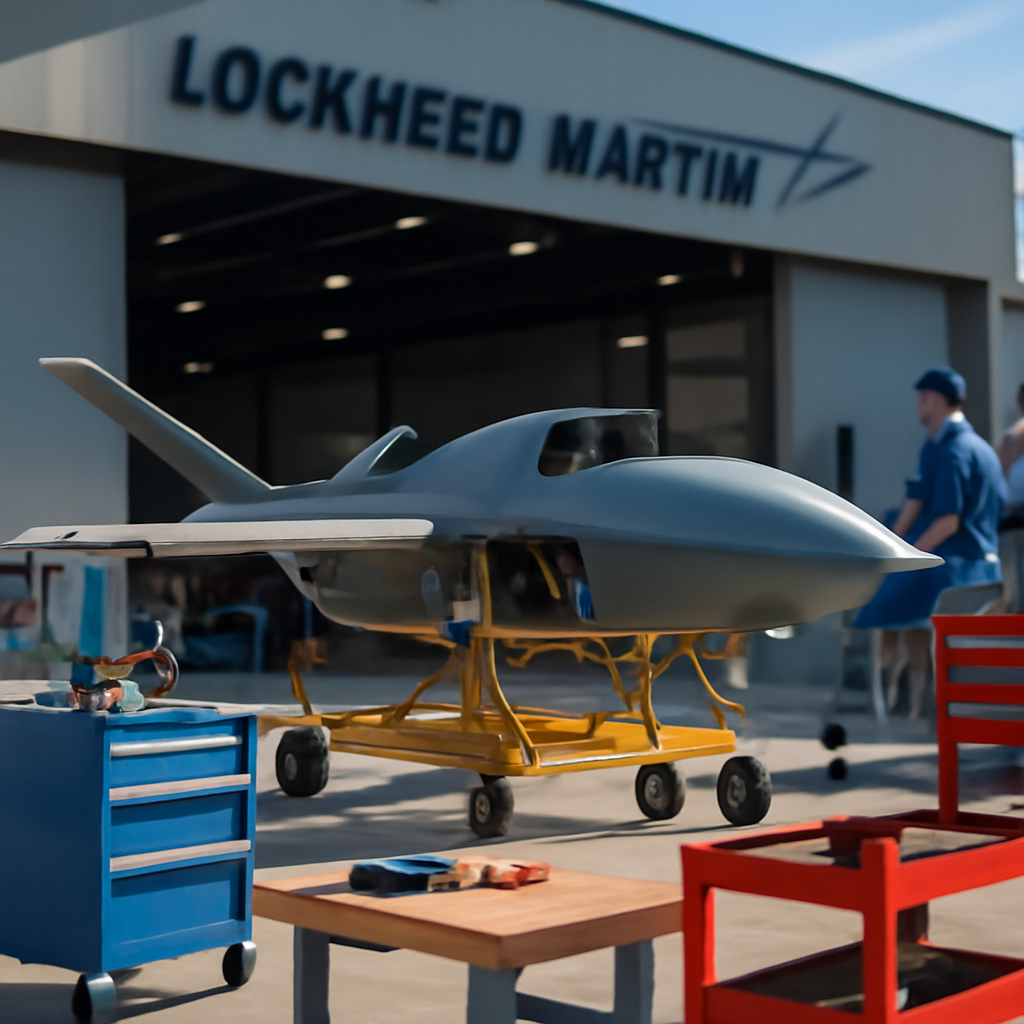
Lockheed Martin announced at the Association of the Air and Space Force conference that it will build four additional Vectis prototypes in addition to the one already in production. Ron Fehlen said the extra airframes will be used to accelerate testing and to validate production processes, and that the company will "build and we will fly these four vehicles even more quickly" than the first prototype. Production of the first prototype is ongoing, and Lockheed showed reporters multiple photos of the airframe being assembled. The company previously set the first prototype's flight target for "by the end of 2027."
Design, size, and mission flexibility of the Vectis
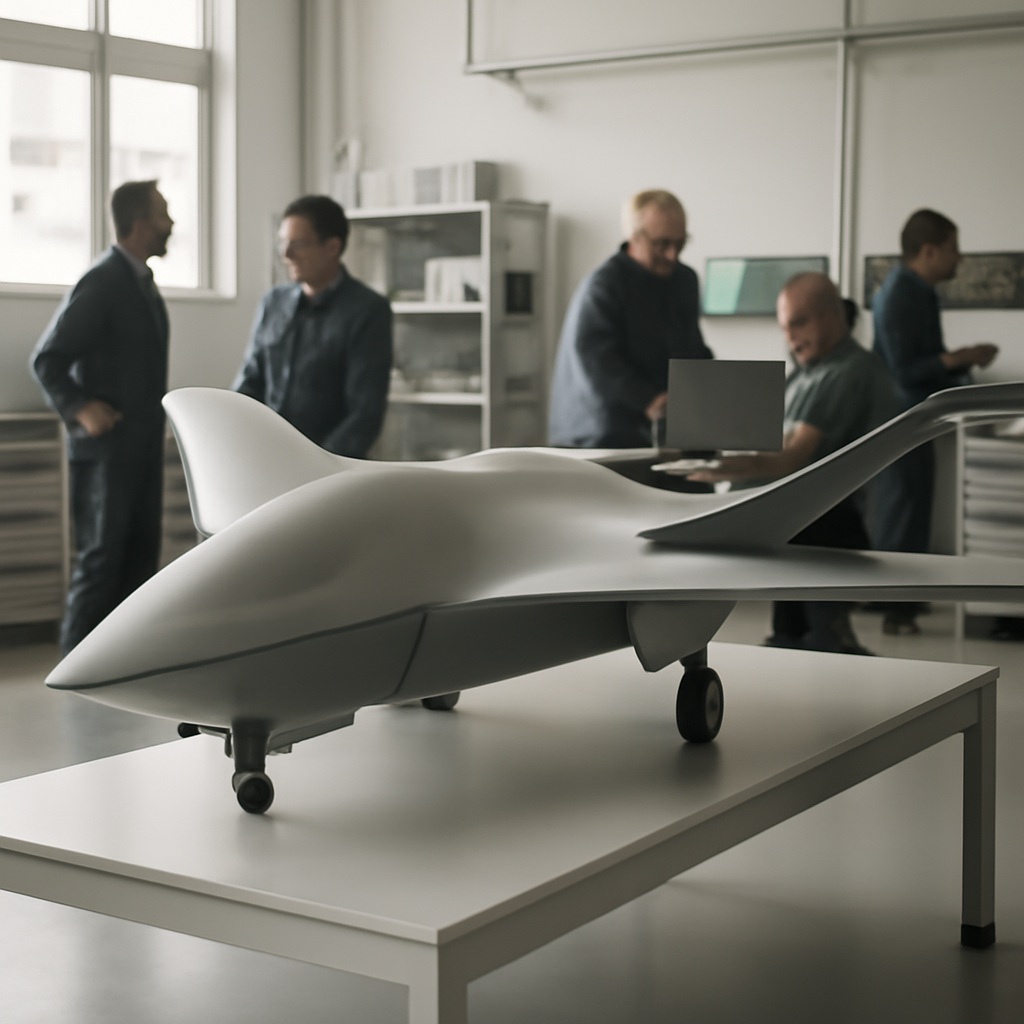
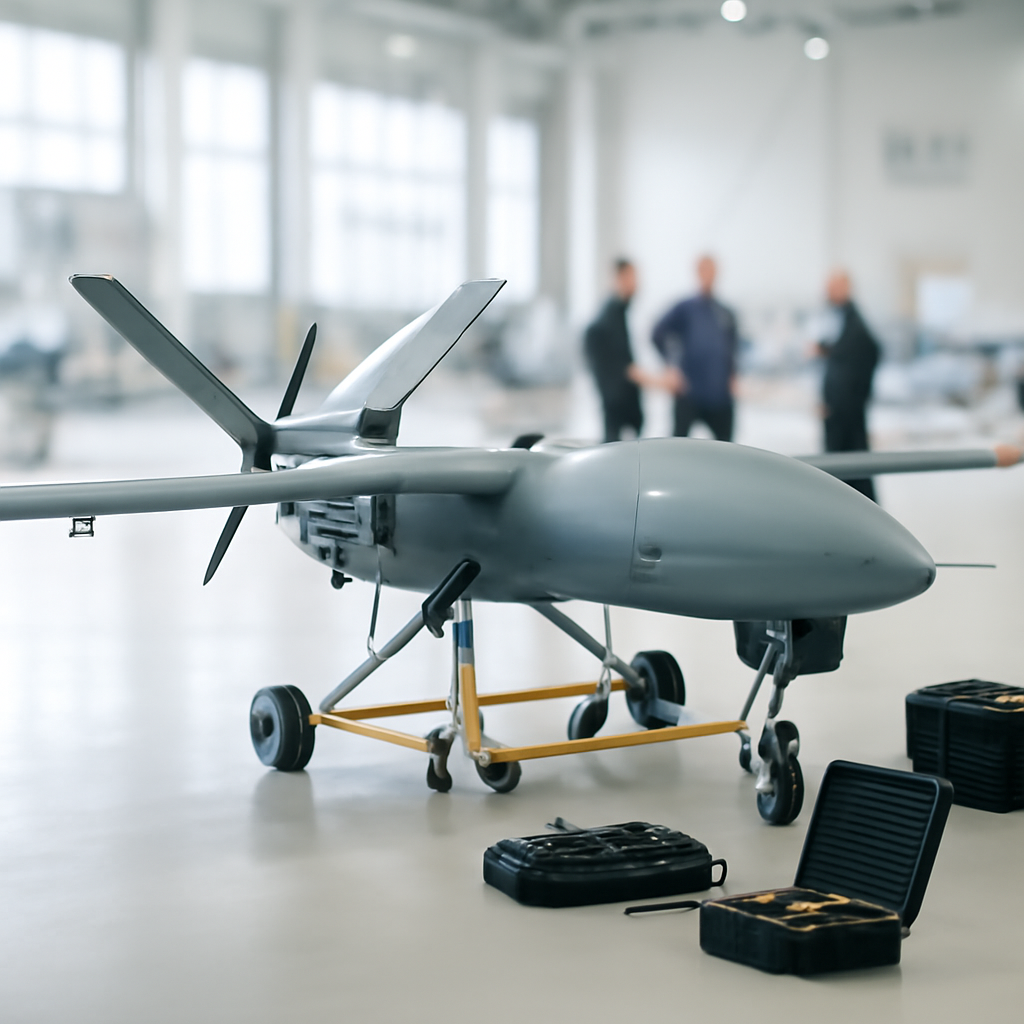
Lockheed has described Vectis as a large "Group 5" stealth drone designed for flexibility across multiple mission sets. The company lists air-to-air, air-to-ground, and ISR among the intended roles, with payloads and mission systems that can be customized for the customer. Lockheed released new technical specifications at the conference: the tailless aircraft is about 34 feet long, with a wingspan of about 38 feet — "making it about as long as an MQ-9 Reaper with a similar wingspan of an F-35," the company said. A submerged inlet on the top of the aircraft, Fehlen noted, helps reduce drag and prevent debris from being sucked into the aircraft, "a boon for maintainers having to upkeep the aircraft if it were to be deployed to an austere environment."

This site is the portfolio.
OSINTSights runs on Cloudflare Workers, D1, R2, and Vectorize, with an AI pipeline on Hetzner ARM. Nubivance designed, built, and operates it. We do the same for clients.
See what we buildProduction approach: minimal tooling determinate assembly
Lockheed is using a technique it calls "minimal tooling determinate assembly" to simplify manufacturing and lower costs. Fehlen likened the process to "putting together furniture from Ikea," saying the approach reduces touch labor and increases first-pass yield. He claimed the team has "seen, in many cases, an 80 percent reduction in labor hours to build up the aircraft itself." Fehlen also described a rapid development cadence: a design moved from "on a napkin" to wind-tunnel validation in two months, the first digital build in six months, and the first part release in eight months.
Where Vectis fits with CCA and Mass Modular Aircraft efforts
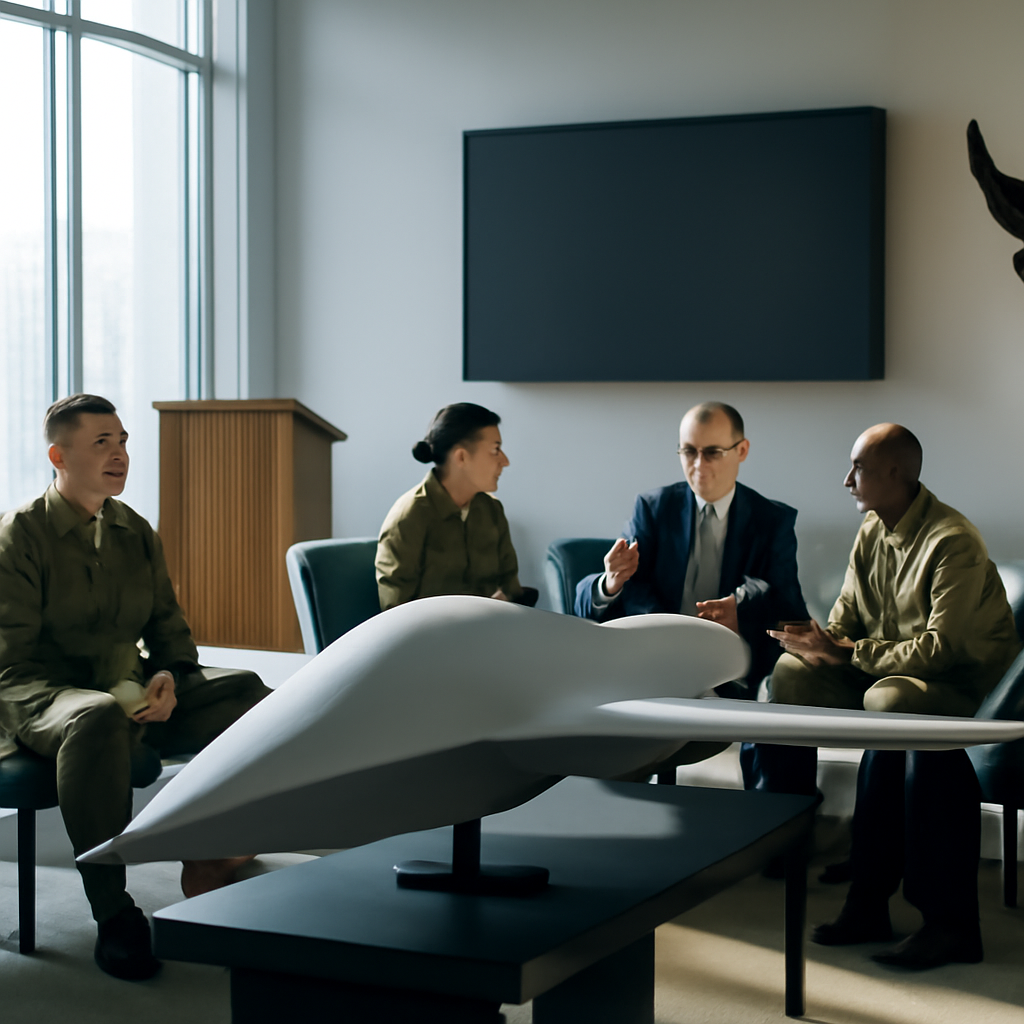
When asked whether Vectis could be offered for the Mass Modular Aircraft program — intended to perform long-endurance ISR and strike missions similar to the MQ-9 Reaper — Fehlen said "the mission is a little different" and positioned Vectis as more aligned with efforts to field Collaborative Combat Aircraft (CCA), drones that would partner with fighter jets. Lockheed is targeting unit costs "to be [at] the CCA competitive price." For context provided by the company, the Air Force settled on a $20 million per-aircraft cost target for the first increment of the CCA program, which the source material notes was won by General Atomics and Anduril this year. Lockheed declined to disclose the size of its investment and Fehlen was tightlipped when asked about potential customers: "There is no reason to say, 'Well, it’s one customer or another,'” he said.
What this means for maintainers, procurement offices, and potential customers
- Maintainers and deployers: The submerged inlet and the company's emphasis on reducing debris ingestion are explicit features intended to ease upkeep "if it were to be deployed to an austere environment." Combined with the claimed 80 percent reduction in labor hours through simplified assembly, Lockheed is signaling lower sustainment burdens and faster turnarounds for fielded Vectis aircraft.
- Procurement and program offices (CCA and Mass Modular Aircraft): Lockheed positions Vectis as more directly relevant to Collaborative Combat Aircraft efforts than to Mass Modular Aircraft, and is targeting CCA-competitive unit costs. That alignment — plus Lockheed’s decision to accelerate prototype builds — will be factors for program offices weighing which platforms meet mission fit and cost objectives. The company notes the $20 million per-aircraft target used for the CCA first increment as a price benchmark.
- Potential customers and competitors: Lockheed’s choice to show a full-scale model at the AFA conference and to privately fund multiple prototypes indicates the company intends to demonstrate both performance and producibility before naming customers. Fehlen’s refusal to identify purchasers underscores a strategy of keeping options open while validating the aircraft and manufacturing approach.
Lockheed has set a near-term, measurable sequence: finish building the first prototype (already in production); fly that prototype by the end of 2027; and accelerate flight testing of the four additional prototypes now underway. Fehlen pledged more specifics "soon" — but for now the company's public timetable hinges on the first flight and how quickly the additional airframes move from assembly into flight test.