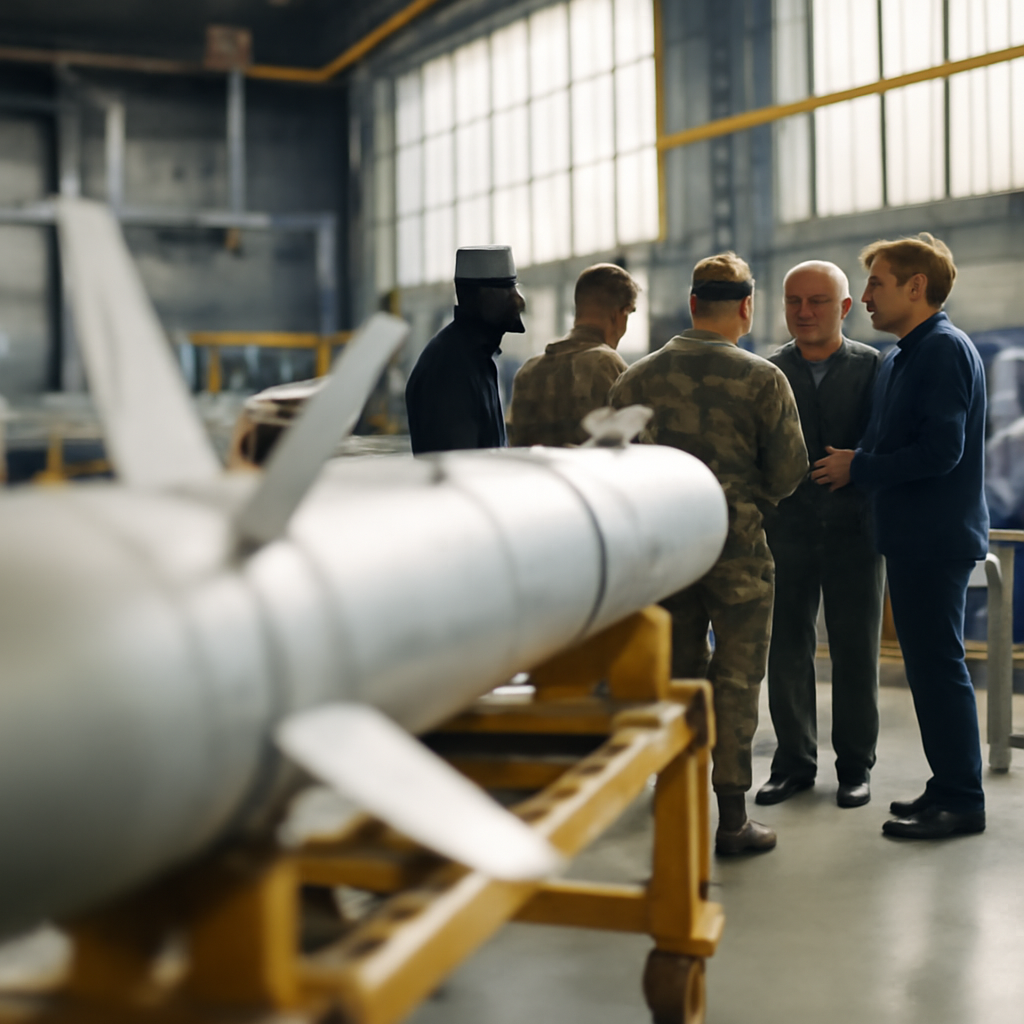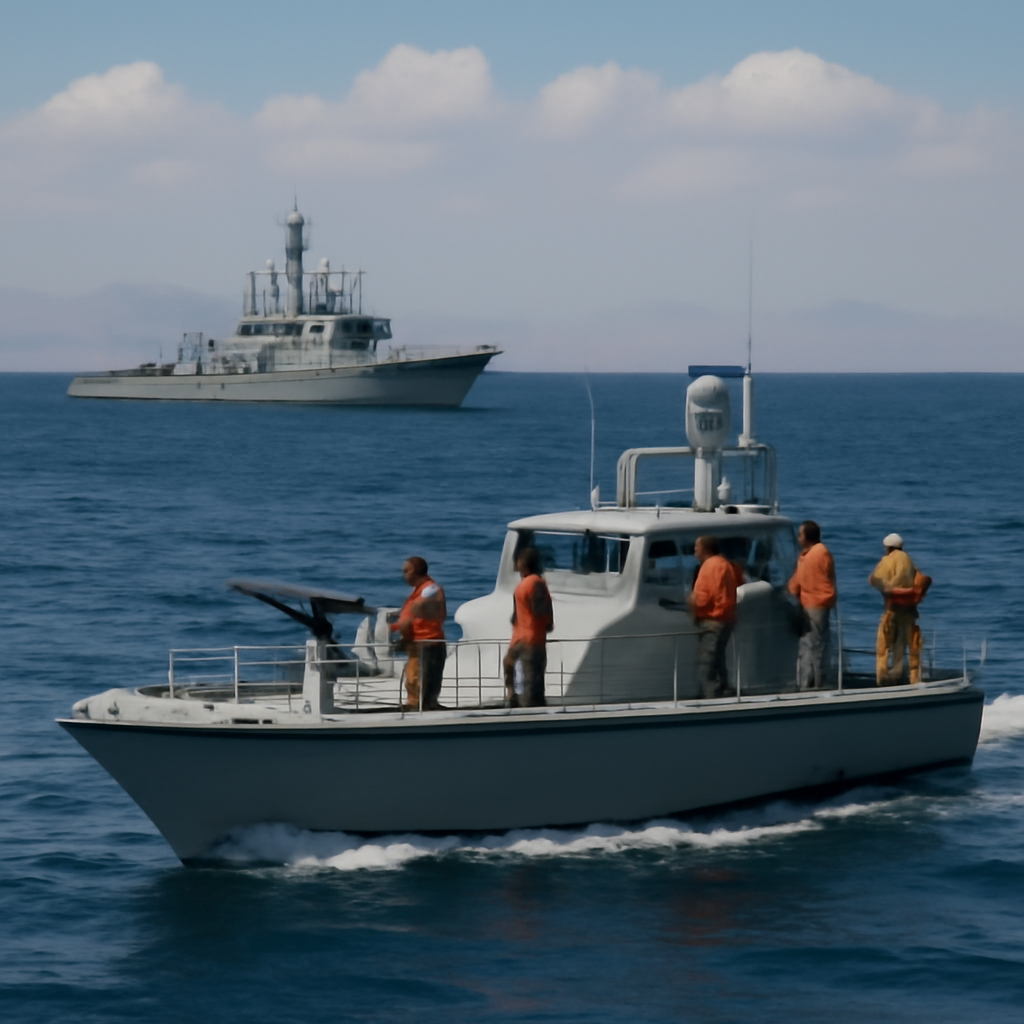
“At some point in the not too distant future, we will be taking Kharg Island, and other oil infrastructure points, and assume total control of their Oil and Gas Markets, much like we have with Venezuela, which is working out brilliantly for both Venezuela and the United States of America,” President Donald Trump said on Truth Social.
The immediate context: strikes, ceasefire, and competing claims
The president’s declaration came after the most intense round of kinetic exchanges between the U.S. and Iran since a ceasefire that went into effect April 8. The U.S., according to reporting in the source material, launched waves of strikes across Iran, including what President Trump said were 49 Tomahawk land-attack cruise missiles; Iran responded by launching missiles and drones at U.S. bases in Kuwait, Jordan and Bahrain.
In the wake of those strikes, Iran claimed it had shut the Strait of Hormuz completely while U.S. Central Command insisted it remained “open for transit.” That strategic backdrop frames both the public remarks about Kharg and the practical risks of any operation aimed at seizing the island.
President Trump’s public moves: threat, qualification, and a claimed halt to strikes
After the Truth Social post, the president later qualified his position in a Fox News interview: “I don’t know that America has the stomach for it, to be honest with you,” he told the network, adding he thought “they’d like to see us come home.”
Hours later he said he had cancelled scheduled strikes against Iran because of what he described as a breakthrough in negotiations. In a Truth Social post he wrote he had “cancelled the scheduled strikes and bombings against Iran this evening” and said “The Naval Blockade will remain in full force and effect until this Transaction is finalized,” listing a broad set of regional and allied states he said were involved in the discussions, including Israel, Saudi Arabia, UAE, Qatar, Turkey, Pakistan, Bahrain, Kuwait, Jordan, and Egypt.
The Islamic Revolutionary Guard Corps (IRGC) pushed back on the president’s account; the Fars News Agency, associated with the Revolutionary Guards, quoted a “knowledgeable source close to the Iranian negotiating team” who denied approval of any initial memorandum of understanding, a denial noted by Axios reporter Barak Ravid.

Audit-ready is a season. It shouldn't be.
Evidence in spreadsheets, controls drifting between audits, frameworks multiplying on flat headcount. Nubivance runs continuous compliance on Rapid7 Cyber GRC - SOC 2, HIPAA, ISO 27001, PCI, CMMC.
End the scrambleOperational requirements and risks, according to Gen. Joseph Votel
Retired Army Gen. Joseph Votel, former CENTCOM commander, emphasized two linked truths: a land seizure requires both surprise and sustainability. Votel said “military commanders always want to preserve the principle of surprise,” and that announcing an intent in advance “seems unusual.” He acknowledged the absence of granular details in the president’s public remarks could preserve some flexibility, or be part of “a more elaborate communications strategy” intended to pressure Tehran.
Votel outlined what seizing Kharg would demand: ground troops to control terrain, tactical delivery means, air cover, a strike campaign to set conditions, and the resources to protect and sustain forces on the island — supplies, engineering capabilities, life support, casualty evacuation and reinforcement. He warned that operations would be close enough to the Iranian coast to “potentially subject [assault forces] to missile and drone attacks,” calling the task “not impossible, but certainly not insignificant either.” Earlier in the year he estimated a battalion-sized force of roughly 800–1,000 troops could seize the island, a figure he gave when stories first surfaced in March.
Higher force estimates and the problem of holding Kharg: Chris Miller and Pat Donahoe
Chris Miller, who served as acting defense secretary at the end of the first Trump administration, argued the requirements would be larger. He said he would “expect it would take an infantry brigade at a minimum,” a unit he defined as between 3,000 and 5,000 troops, and that he would “prefer two brigades and a lot of mobile air defense.” Miller added the need for “plenty of barrier material to make bunkers when artillery starts dropping in” and “significant air power to hit time-sensitive Iranian targets like artillery and missile batteries.”
Miller described the lift as “completely doable by our combat forces in the region” and “exactly the type of operation they are designed and optimized for,” but he cautioned that logistics would be “challenging” because resupply ships would have to run “the Iranian defensive shield” and aerial resupply “will be contested as well.”
Former Army Maj. Gen. Pat Donahoe framed the central problem as durability: “It’s not taking it, it’s holding it over time and enduring the slow bleed of casualties that comes with holding it.” He likened the dilemma to Khe Sanh, stressing that taking Kharg would place U.S. forces within range of Iranian systems and create a difficult resupply environment; “Sure we can grab it, but it puts us in range of all their stuff,” he said. “It’s dumb.”
Iranian defenses, the tactical environment, and prior preparatory work
Kharg Island sits about 20 miles off the Iranian coast and — according to the reporting in the source material — presents multiple threats to assault and sustainment forces: ballistic and cruise missiles, drones, rocket artillery, fast-boat swarm attacks, and mines. U.S. strikes in “Epic Fury” reportedly hit military targets on the island but left oil infrastructure untouched at the president’s order.
CNN reporting cited in the source indicates Iranian forces had already reinforced the island earlier in the year, “laid traps and moved additional military personnel and air defenses,” and added shoulder-fired surface-to-air guided missile systems known as MANPADs. The same reporting noted that plans to seize Kharg had been drafted for months but repeatedly shelved because planners considered the operation too risky.
What this means for the U.S. military, Iranian negotiators, and regional partners
- U.S. military planners will have to weigh force size, air-defense and sustainment options carefully — the two widely different troop estimates in the reporting (a battalion versus one or two brigades) underscore trade-offs between initial assault and long-term holding requirements.
- Iranian forces, according to multiple reports cited here, have hardened Kharg’s defenses and placed additional personnel and MANPADs on the island, decreasing the plausibility of an uncontested seizure and complicating resupply and air operations.
- Regional partners are part of the public negotiating narrative the president invoked; he listed multiple states as participants in talks he described as approving an initial deal, a claim that Iran’s IRGC-linked media disputed.
The record in the source material is clear on two points: seizing Kharg is technically feasible but politically and logistically fraught, and public threats — followed by rapid qualification and claims of halted strikes — have not clarified whether any U.S. move to take the island is imminent. That uncertainty, combined with evidence Iran has reinforced the island, is likely to shape decisions and calculations in the days ahead.