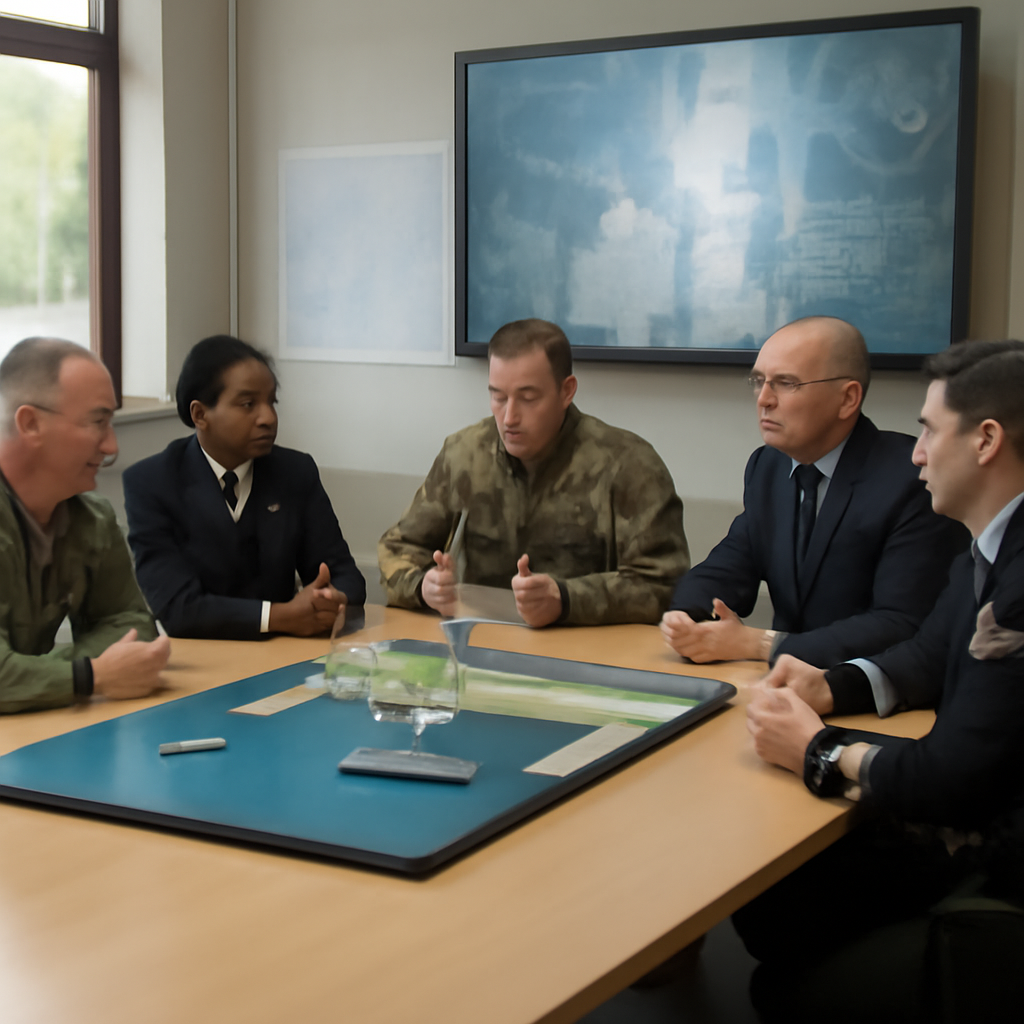
"the capabilities needed to support our military and transition them into operational use," DRDC said of CATS‑M — a line that captures a deliberate, mission-first turn in allied defence innovation.
DRDC, the Royal Military College and NZDF model a mission, not a gadget
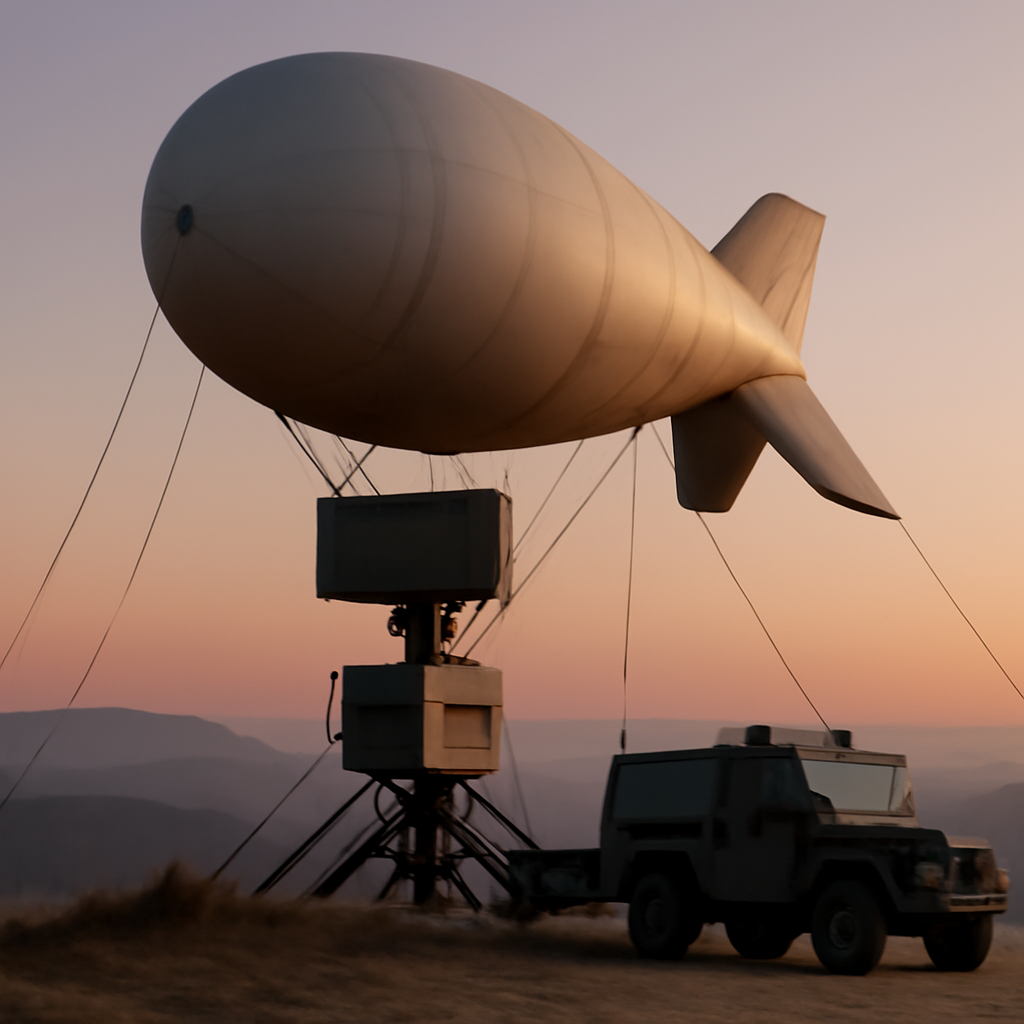
Defence Research and Development Canada (DRDC), the Royal Military College of Canada and the New Zealand Defence Force’s Defence Science and Technology partnered to model a realistic harbour-defence problem: how to defend Halifax Harbour against an enemy ship carrying containerised strike missiles. The study deliberately combined existing and future operational capabilities — including a future Royal Canadian Navy River-class destroyer, a Hellfire missile-armed MQ‑9B SkyGuardian surveillance drone and ground-based air-defence systems kilometres inland from the harbour — to see what could be achieved without immediately buying new platforms.
The Halifax Harbour scenario: doctrine, integration or new kit?
The value of the Halifax modelling lay less in the glamour of individual platforms and more in the method. By starting from a concrete mission and then assessing what current systems can deliver, planners can distinguish whether the shortfall is doctrinal, integrative or genuinely technological. That approach gives innovators the data to answer whether new major equipment is required or whether different combinations of existing systems — and revised tactics — will suffice.

Audit-ready is a season. It shouldn't be.
Evidence in spreadsheets, controls drifting between audits, frameworks multiplying on flat headcount. Nubivance runs continuous compliance on Rapid7 Cyber GRC - SOC 2, HIPAA, ISO 27001, PCI, CMMC.
End the scrambleCanada’s Borealis and maritime trials driving operational transition
In February, Canada launched Borealis as part of its first Defence Industry Strategy. Under Borealis, Defence Innovation Secure Hubs aim to accelerate the transition of technologies into operational capability. This month it was announced that the new Uncrewed Systems Defence Innovation Secure Hub will be placed under the Canadian Joint Forces Command, which is responsible for identifying capability gaps and generating operational priorities for the Canadian Armed Forces.
DRDC under Borealis also established the Canadian Autonomy Trials Series–Maritime (CATS‑M) in May to develop "the capabilities needed to support our military and transition them into operational use." CATS‑M experiments have included deploying "multiple maritime unmanned systems in support of anti‑submarine warfare" and a Maritime Defence Innovation Secure Hub Pilot that uses surface and subsurface platforms, data fusion and diffuse sensing to model maritime surveillance capabilities. The NZDF’s Defence Science and Technology praised DRDC’s approach for its practical nature.
AUKUS Pillar Two: technology areas ahead of mission frames
By contrast, AUKUS Pillar Two has so far framed its trilateral innovation challenges — electromagnetic warfare and maritime innovation — around technology areas rather than defined hypothetical missions. The partners announced their first Pillar Two project to develop uncrewed underwater technology in May this year; with delivery starting in 2027, those capabilities will not affect operational forces immediately. The article notes that AUKUS was already four years old when that first Pillar Two project was announced.
That sequencing can risk the familiar "valley of death" for defence innovators, where capabilities are built around technologies and platforms in search of a mission. The Canada–New Zealand model works the other way: begin with a mission, then let capability requirements — doctrinal, integrative or technological — emerge through operational experimentation and model‑based iteration.
What this means for the Canadian Joint Forces Command, AUKUS partners, and defence innovators
- Canadian Joint Forces Command: will use the Uncrewed Systems Defence Innovation Secure Hub to translate Borealis priorities into operational trials and to identify capability gaps against realistic scenarios.
- AUKUS partners: face a choice between continuing technology‑first competitions and embedding mission‑driven challenges; the current Pillar Two framing has emphasised technology areas over defined operational scenarios.
- Defence innovators: are encouraged to combine existing systems, refine doctrine and validate solutions through experiments like CATS‑M rather than presuming a new platform is the only path to operational effect.
Allies are not blind to the trade-offs. The US Defense Innovation Unit said in July it would focus on converting commercial technology into combat power by addressing real‑world operational problems. UK Defence Innovation has reorganised and launched a competition for novel autonomy and robotics. Australia’s Advanced Strategic Capabilities Accelerator remains focused on technology capability areas. Those reforms move allied innovation closer to the problem‑first model but, as the Canada–New Zealand partnership demonstrates, mission framing and rapid iteration are the decisive steps.
If AUKUS Pillar Two is to deliver, it needs to iterate faster and learn from the Canada–New Zealand partnership — letting scenarios like the Halifax Harbour challenge determine whether a gap is solved by doctrine, integration or by new, costly platforms.