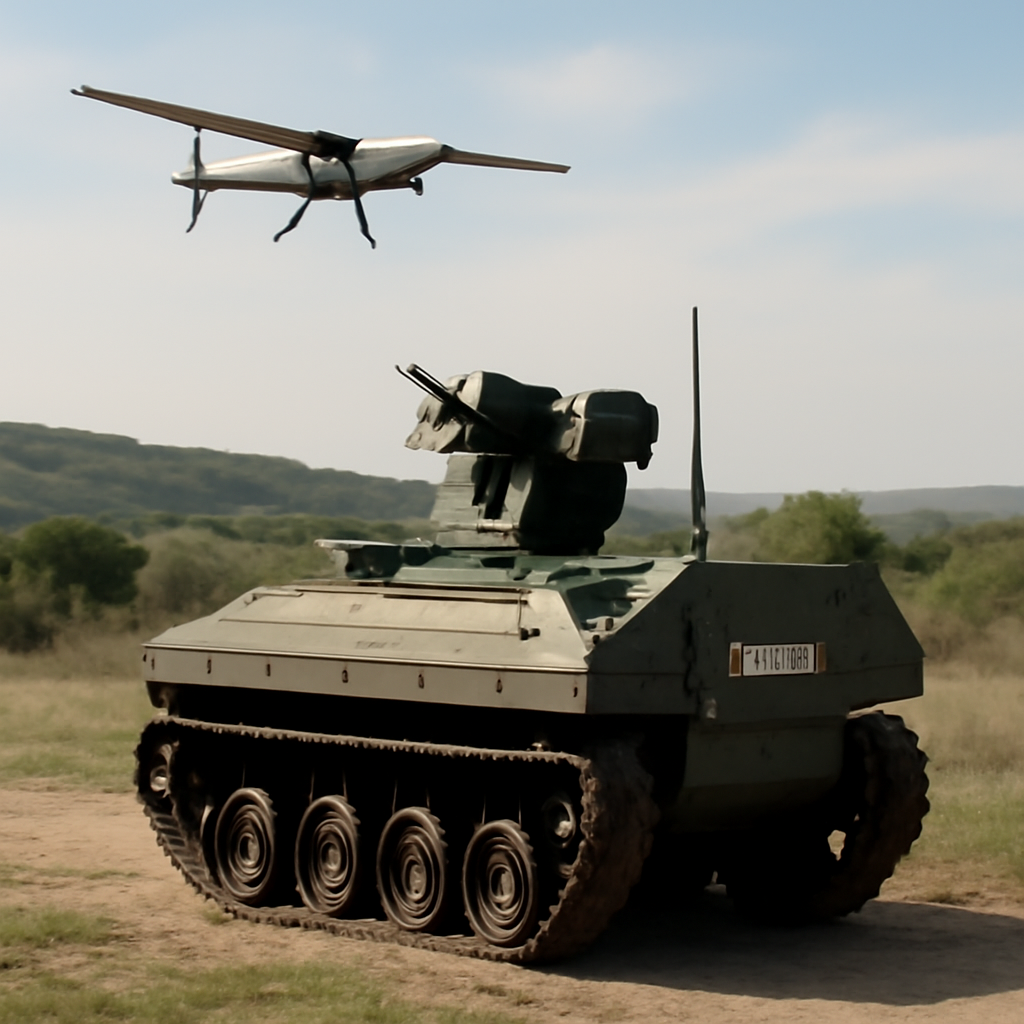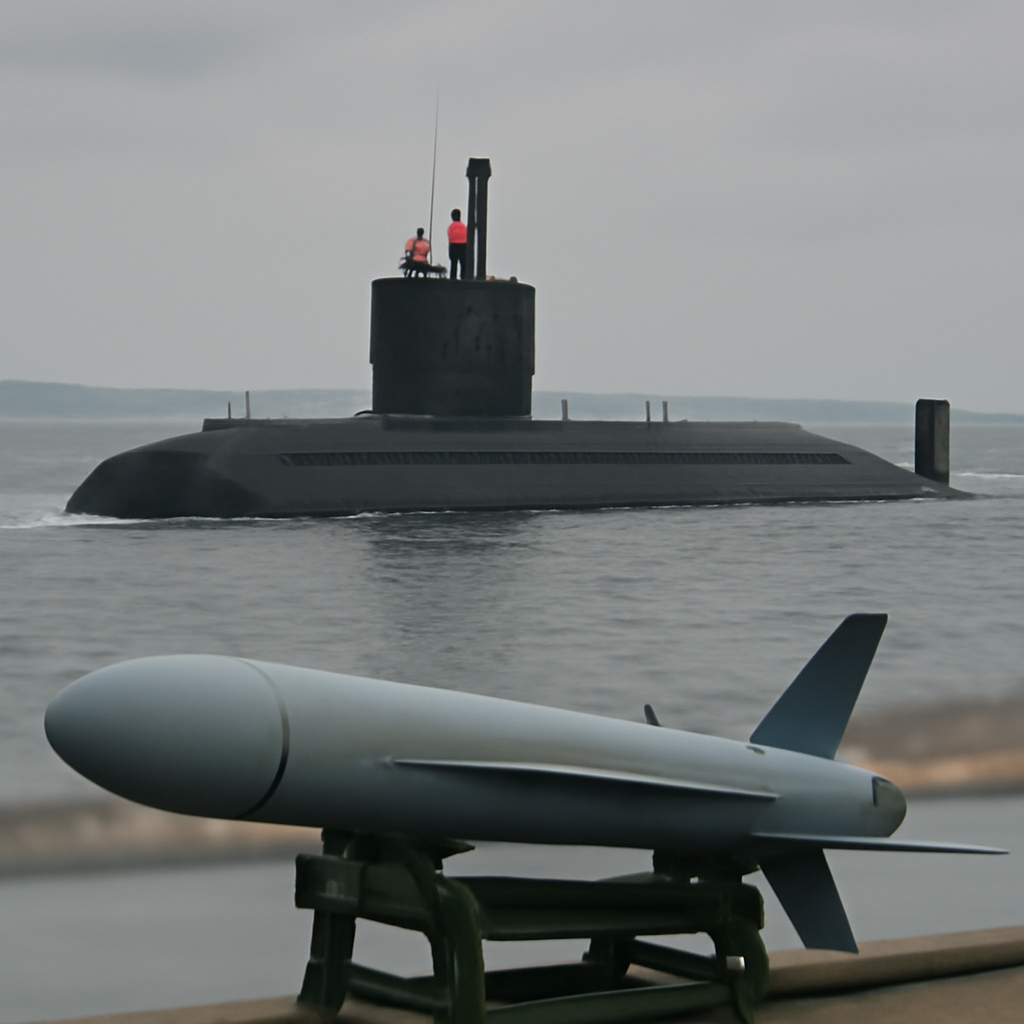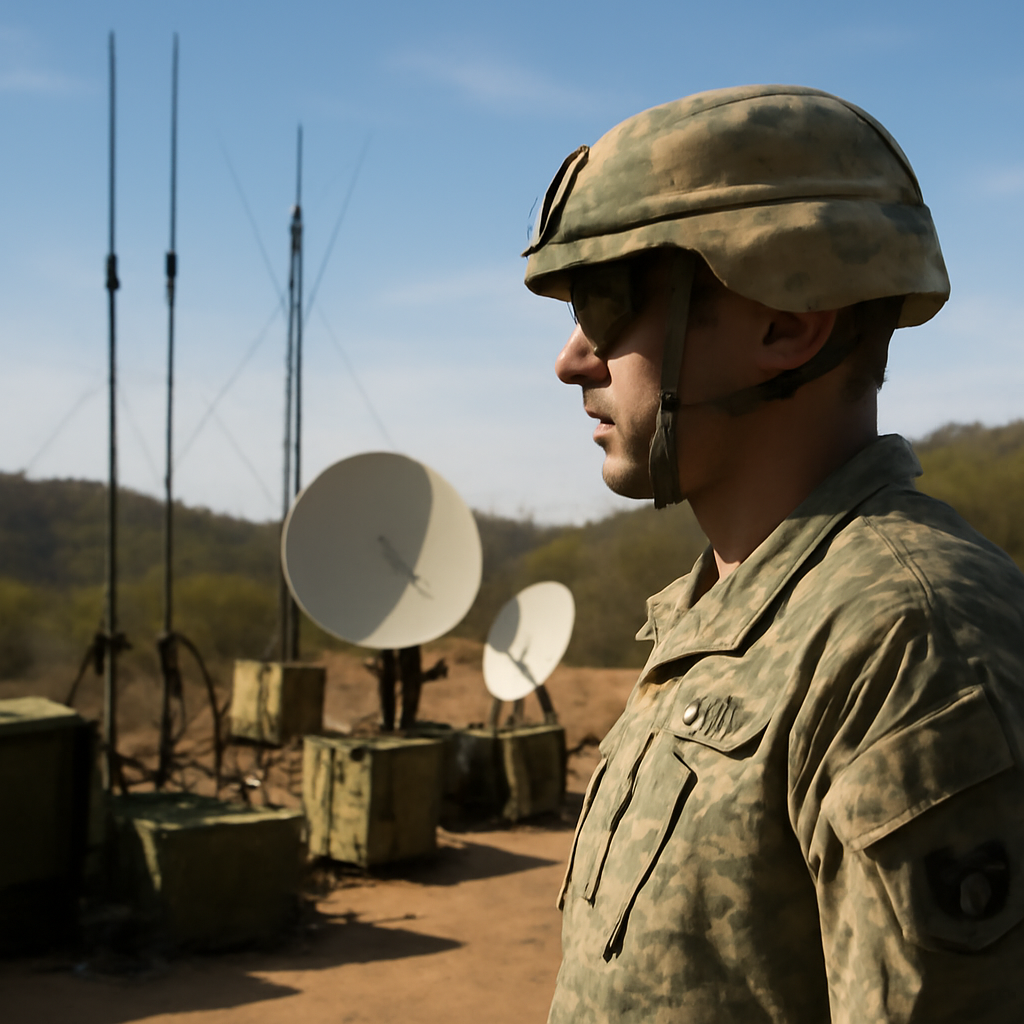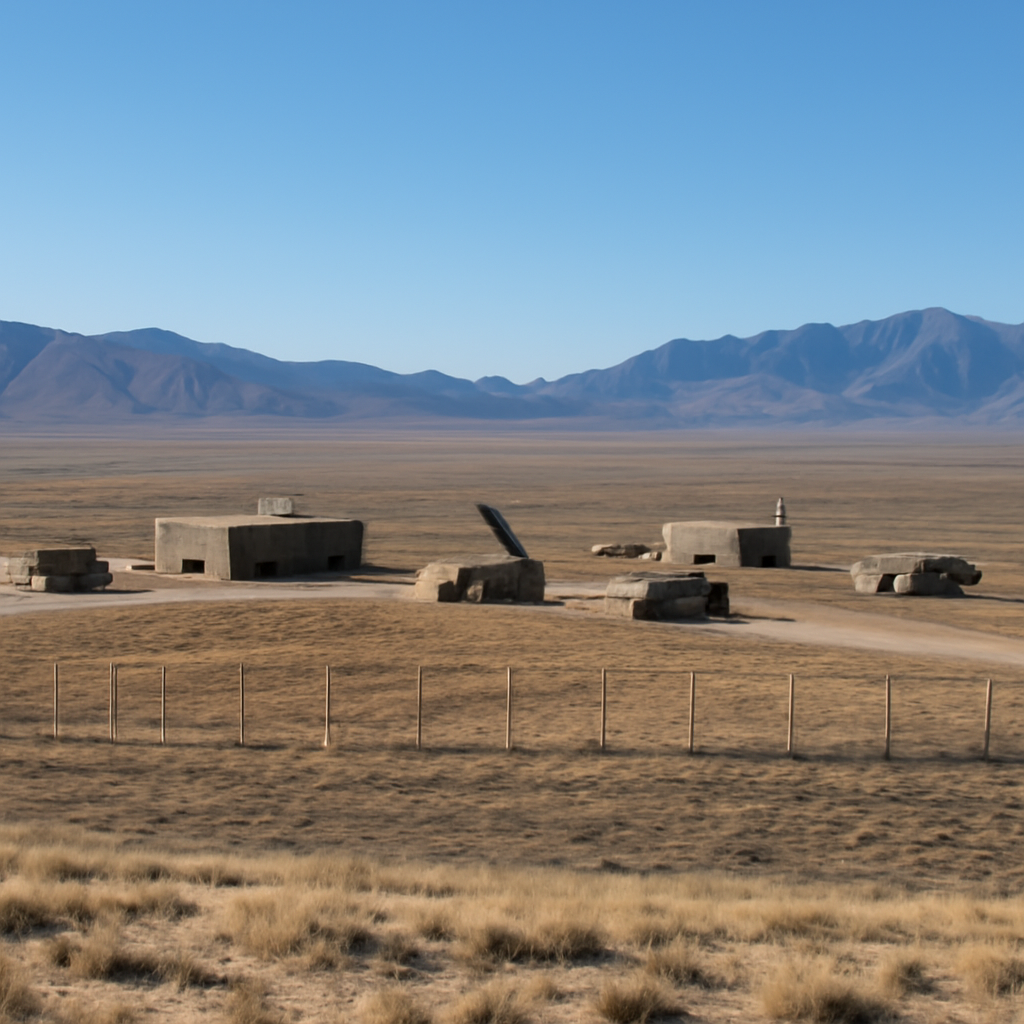
"I’m pleased to inform you and announce that right here in Montana, the Department of War is going to establish a new 'super range' for testing advanced weapons and technologies," President Donald Trump said at a campaign rally in Kalispell, naming autonomous capabilities, space and electronic warfare, supersonics and hypersonics among the intended focuses.
President Trump and Sen. Tim Sheehy: the Montana super range announcement
The announcement Friday night offered broad intent but few specifics. The president did not say where in Montana the complex would be sited, when it would come online, which exact systems would be tested, or how much it would cost. The Pentagon deferred questions to the White House, and the White House referred inquiries back to the Pentagon, according to reporting.
U.S. Sen. Tim Sheehy, who the story notes “has been a strong advocate for building an advanced training range in Montana,” said he secured $10 million for a feasibility study in the FY27 National Defense Authorization Act “that passed the Senate Armed Services Committee earlier this year.” Sheehy argued Montana’s large tracts of undeveloped land make it well suited to testing contested spectrum, electronic warfare, hypersonics, space capabilities and enhanced targeting — though he, like the president, provided no site-level or timeline details.
Montana Spaceport & Test Range, Limestone Hills, and the Big Sky Autonomous Systems Range
Montana already hosts facilities that mirror many of the activities the president described. The Montana Spaceport & Test Range and the affiliated Limestone Hills Innovation & Test Campus are public‑private initiatives that conduct testing for next‑generation space vehicles, hypersonic, supersonic and ballistic weapons, drones and counter‑drone systems, and electronic warfare equipment.
Another candidate is the Big Sky Autonomous Systems Range (BSASR) near Bozeman, operated under the Lobo Institute’s Lobo Tactical division. BSASR is described as a “6,000‑acre, fully fenced complex purpose‑built for advanced unmanned aerial systems operations, full‑spectrum live fire, mounted and dismounted mobility, and full mission profile exercises.” The range emphasizes realistic terrain, regulatory and infrastructure depth, and a remote environment where units can train while keeping risk at acceptable levels.
The story notes existing Montana airspace such as the Hays Military Operations Area could be expanded and that Malmstrom Air Force Base and its ICBM fields could potentially be leveraged — suggesting a possible model in which multiple existing range areas and corridors are digitally and physically interconnected to form a larger complex.

Audit-ready is a season. It shouldn't be.
Evidence in spreadsheets, controls drifting between audits, frameworks multiplying on flat headcount. Nubivance runs continuous compliance on Rapid7 Cyber GRC - SOC 2, HIPAA, ISO 27001, PCI, CMMC.
End the scrambleDOT&E and TRMC: airspace corridors, instrumentation, and candidate locations
The Pentagon’s Director of Operational Test & Evaluation (DOT&E) has argued publicly that “The current open‑air range space should be increased and better integrated to support system‑of‑systems assessments of air, land, and sea combat systems” and that the Department of War “needs to invest in and coordinate expanding and connecting the airspace available to the open‑air ranges.” DOT&E added: “Threat systems and our own capabilities far exceed the current available air space on the open‑air ranges.”
DOT&E recommended long‑range, overland missile flight test corridors with land‑based impact areas and mobile hypersonic‑specific range instrumentation to gather lethality and terminal‑area data. Historically, the Defense Department has limited hypersonic testing at sea because the primary ship fleet used as data‑collection assets is aging, constraining the number and location of tests.
The Pentagon’s Test Resource Management Center (TRMC) previously identified three candidate overland test locations: Alaska, White Sands Missile Range in New Mexico, and Australia. The story reports hypersonic testing in Australia is underway and that the U.S. Air Force’s scramjet‑powered Hypersonic Attack Cruise Missile (HACM) “reached the flight test phase,” with at least one release carried out over a range in Australia.
The report also notes efforts to augment airborne tracking: retired Block 20 and Block 30 RQ‑4 Global Hawks reconfigured as RangeHawks under the SkyRange hypersonic weapon testing infrastructure program are intended to expand data collection capacity.
AutoWarCom, FASCOM, and the Army’s accelerating testing needs
The president’s announcement arrives as the Pentagon and services accelerate organizational and testing efforts for autonomous systems. The Defense Department announced the creation of a functional combatant command for autonomous and robotic capabilities, referred to in reporting as Autonomous Warfare Command or AutoWarCom. Acting Army Secretary Adam Telle unveiled the service’s Futures and Autonomous Systems Command (FASCOM), saying it will “centralize” existing work, push autonomy into units, and “feed up into AutoWarCom.” The Army told reporters specifics on structure and mission will be announced at future dates and “will require the kind of additional testing facilities that a new Montana super range could provide.”
Separately, former Army Secretary Dan Driscoll — who resigned after tensions with Defense Secretary Pete Hegseth — said the service planned at least two domestic ranges that replicate the contested electromagnetic environment seen on Ukraine’s battlefields and is also examining a global range for more aggressive testing including hypersonics. Driscoll described ranges where “electronic warfare and all of the contested environment” could be created so drone manufacturers and counter‑drone developers can engage together and soldiers can train hand‑in‑hand with developers.
The Army has also opened premier test ranges to private industry and co‑hosted a Denied, Disrupted, Intermittent and Limited testing environment at Camp Grayling in September, with three more such events scheduled for Fiscal Year 2027, an Army spokesperson said.
What this means for the Army, private industry, and Montana officials
- For the Army and Pentagon planners: additional, contiguous range airspace and mobile instrumentation are identified priorities in DOT&E and TRMC reports; a Montana complex would need coordination with the FAA and interagency partners to deliver long‑range corridors and realistic electromagnetic environments.
- For private industry and technologists: expanded access to overland test corridors, RangeHawks tracking and hypersonic instrumentation would ease current bottlenecks and support system‑of‑systems assessments, but regulatory limits on domestic jamming and domestic test authorities remain a practical constraint.
- For Montana officials and local communities: the state’s undeveloped land is being promoted as an asset; the next concrete step identified in reporting is a feasibility study — one that, the piece notes, “hasn’t even been funded yet.”
The announcement sets a wide goal but leaves the crucial next steps unresolved: site selection, funding of the feasibility study, interagency coordination for airspace and jamming authorities, and the balance between public, private and military use. Whether a Montana “super range” materializes will depend on those specifics and on the logistics DOT&E and TRMC say are essential to support the long‑range, contested‑spectrum testing the services now demand.
Source: TWZ — New Montana “Super Range” Complex Could Add Critical Weapons Testing Capacity