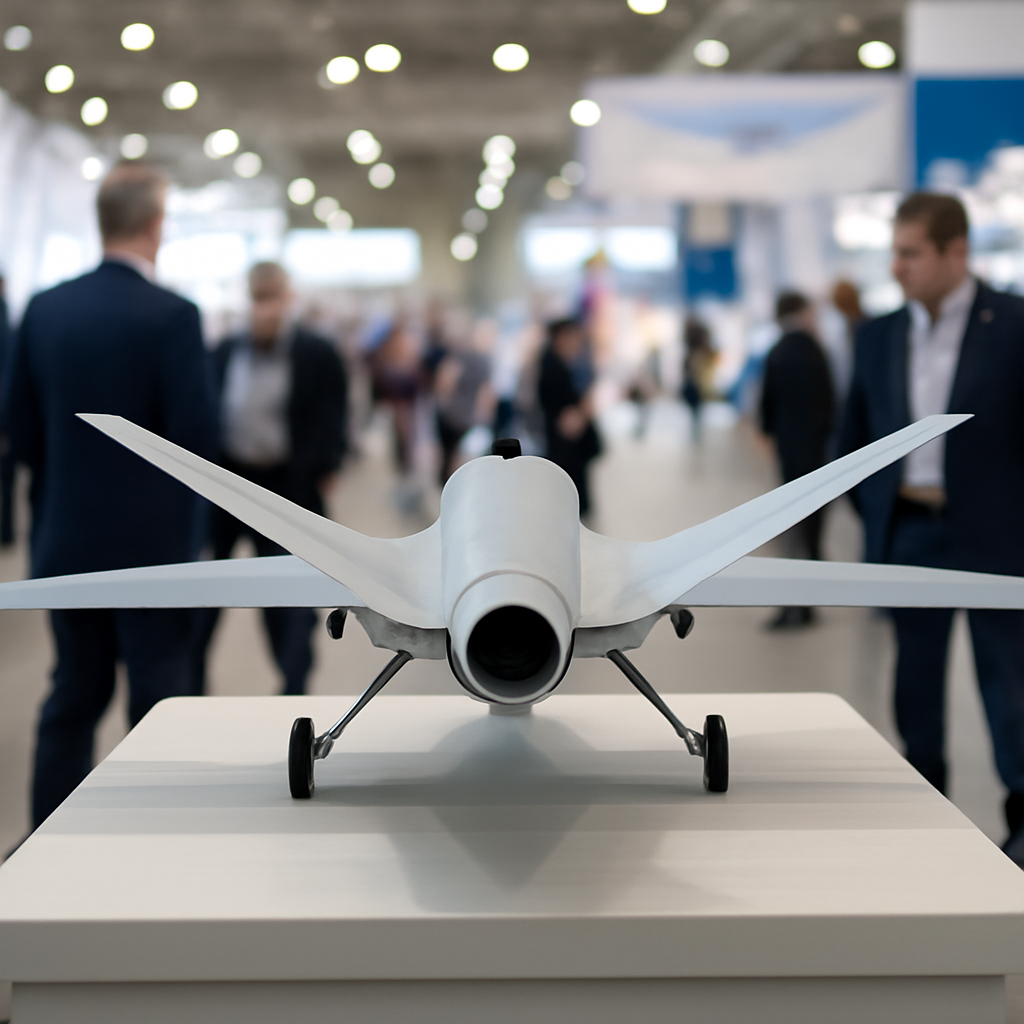
"At its core, the F-5 is a dated, non-stealthy Cold War-era design, but it still can replicate a wide variety of threats," the reporting notes — a judgment that now appears to be driving a change in the Navy’s adversary fleet.
Congress directs a rapid status report on a possible F/A-18 transfer
The House Armed Services Committee's first draft of the fiscal 2027 National Defense Authorization Act requires a report “on the status of efforts to transfer F/A-18E/F aircraft to the Navy Reserve to replace the F-5 aircraft.” The document sets a delivery deadline of March 2027 for the report to congressional defense committees and asks the Secretary of the Navy to detail how long the transition will take, including support equipment and spares, pilot and maintainer training, and contracts related to the changeover. The draft also anticipates the report will identify potential risks to mission execution, fleet readiness, and qualification during the transfer period.
Which squadrons fly what now
The Navy currently fields four Fighter Squadron Composite (VFC) units that handle adversary work. VFC-12 “Fighting Omars” has already transitioned to the F/A-18E/F at Naval Air Station Oceana. VFC-13 “Saints,” based at NAS Fallon, now flies surplus but significantly upgraded F-16C/Ds after having previously operated F-5s. Two remaining F-5 squadrons are VFC-111 “Sundowners” at NAS Key West and VFC-204 “River Rattlers” at NAS/Joint Reserve Base New Orleans; VFC-204 converted from the Legacy Hornet to the F-5 relatively recently.

Audit-ready is a season. It shouldn't be.
Evidence in spreadsheets, controls drifting between audits, frameworks multiplying on flat headcount. Nubivance runs continuous compliance on Rapid7 Cyber GRC - SOC 2, HIPAA, ISO 27001, PCI, CMMC.
End the scrambleUpgrades to the F-5 fleet under ARTEMIS — and TacAir’s role
The Navy has pursued an Avionics Reconfiguration and Tactical/Modernization for Inventory Standardization program (ARTEMIS) to enhance its F-5s. The upgrades include Mk 16 ejection seats, Digital Air Data Computers, ADS-B transponders, and modern cockpit displays. TacAir (Tactical Air Support, Inc.) is the lead contractor for ARTEMIS, delivering an F-5AT-based package that adds Nemesis radar, a mission computer, threat/weapons engagement zone replication software, an Argus radar warning receiver, Mason HOTAS controls, a Garmin wide area display, a Scorpion helmet-mounted display, an open-architecture mission system, and a datalink. The Navy’s 28 single‑seat F-5Ns and two F-5Fs are being brought up to ARTEMIS standard, alongside a batch of 22 ex‑Swiss F‑5E/Fs that will be converted and split between Navy and Marine Corps use as F‑5N+/F‑5F+ airframes.
Why the Super Hornet is now in the conversation
Even upgraded, the article stresses, the F-5s have limitations: they are dated and non‑stealthy and “do lack the performance to truly mimic a fourth‑generation fighter,” while still providing useful dissimilar threat characteristics. The F/A‑18E/F Super Hornet brings sensors and performance that better replicate advanced threats. The platform’s AN/APG‑79 AESA radar, ATFLIR targeting pods, and radar warning receiver, and the ability to carry an advanced IRST, make it a capable adversary for reproducing fourth‑generation fighters such as the Flanker family. When flown in a relatively clean configuration, the Super Hornet’s aerodynamic and energy‑maneuverability performance — especially its known slow‑speed handling — enables more faithful emulation of agile adversary aircraft and allows it to “run down” fleeing targets better than an F‑5.
But the article emphasizes constraints: this shift will depend on how many F/A‑18E/Fs can be made available for adversary work, weighed against frontline fleet demands amid a reported shortage of tactical aircraft. As of April last year, official budget documents showed the Navy had 325 single‑seat F/A‑18Es and 250 two‑seat F/A‑18Fs in inventory. The piece also notes that Super Hornet production “is now ending, with the final deliveries expected next year,” and that some of the oldest Super Hornets fly with the Blue Angels in a special display configuration.
How the Navy Reserve, TacAir, and the Marine Corps are positioned
- Navy Reserve and VFC squadrons: The Reserve stands to receive the F/A‑18E/Fs under the congressional direction; the required report must address timelines for training pilots and maintainers and acquiring support equipment.
- TacAir and contractor red air providers: TacAir is the ARTEMIS lead and already operates F‑5ATs; the article notes retired Navy F‑5s could flow to contractor red air fleets once the service retires them.
- U.S. Marine Corps: Marine F‑5s are being upgraded with a Red Net tactical datalink and are slated for replacement under a program called Adversary Next. The latest Marine Aviation Plan places F‑5 retirement at “2040‑plus,” though the piece leaves open whether Navy retirements could alter that calculus or supply former Navy airframes to the Marines sooner.
The House committee’s directed report, due by March 2027, should make clear whether and how the Navy will reassign Super Hornets into the adversary role, and how it will manage the overlap between ARTEMIS‑upgraded F‑5s, contractor support, and any transfer of F/A‑18E/Fs to reserve adversary squadrons. The decision will hinge on fleet priorities, available airframes, and the service’s appetite for trading the F‑5’s low‑cost high‑volume threat generation for the Super Hornet’s higher‑end replication of advanced adversaries.
Source: https://www.twz.com/air/f-a-18-super-hornets-eyed-to-replace-navys-remaining-f-5-adversaries