"Let the message to the IRGC be clear: If you shoot at two of our ships, we will impose an even higher economic cost – taking out three of yours,” Adm. Brad Cooper warned after a week in which tit‑for‑tat strikes left 10 Iranian commercial oil tankers destroyed and prompted a major ballistic missile salvo toward a Jordanian base hosting U.S. forces.
George Washington strike group, Iranian missiles, and CENTCOM's response
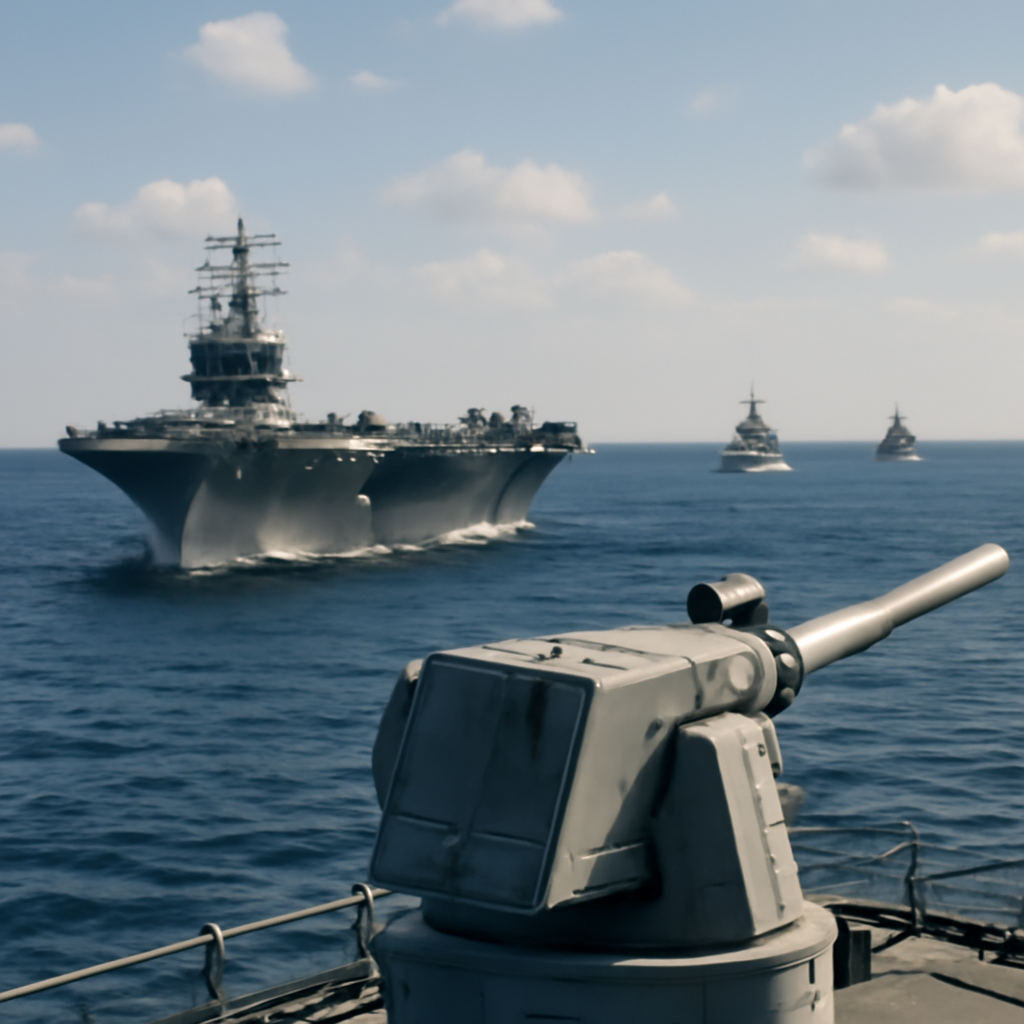
Less than a month after arriving in the CENTCOM area of responsibility, elements of the USS George Washington carrier strike group reportedly came under ballistic missile fire on September 5, according to Iranian media. CENTCOM confirmed that “a U.S. aircraft carrier and guided‑missile destroyer successfully evaded multiple unprovoked Iranian attacks,” while declining to identify the specific ships involved.
CENTCOM said U.S. forces struck three Iranian crude tankers the same day as a response; that action was described as a step beyond the president’s recently announced tanker‑for‑tanker policy. The exchange has escalated: CENTCOM destroyed another five crude oil tankers on September 8, bringing the total to 10 tankers destroyed across the week after the IRGC reportedly targeted another American warship.
Alleged first combat use of the Qassem Basir ASBM and shipboard defenses
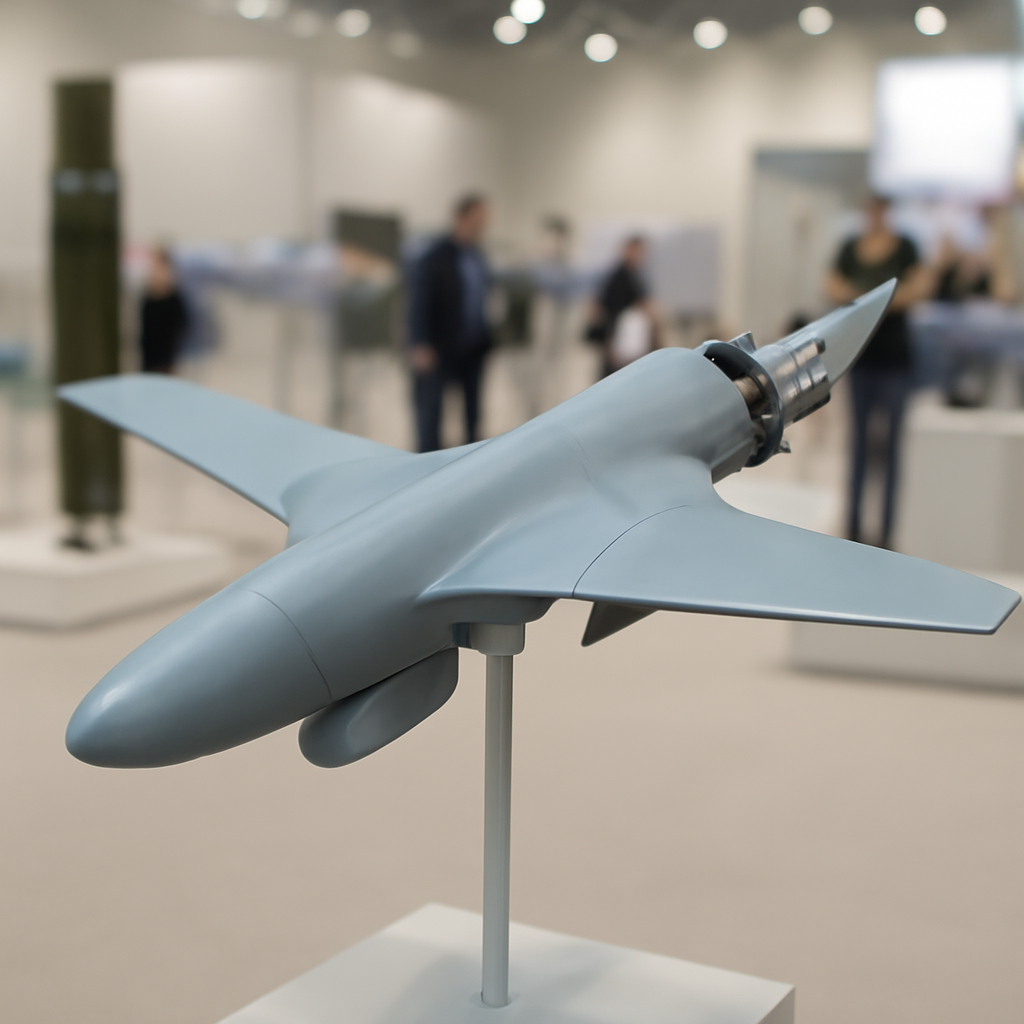
Iranian‑affiliated channels claimed the Islamic Revolutionary Guard Corps fired the Qassem Basir medium‑range anti‑ship ballistic missile (ASBM) for the first time on September 5. The weapon was unveiled in May 2025; if the claim is accurate, it would mark the ASBM’s first known combat employment.
The report notes the Qassem Basir’s stated range of roughly 1,200 kilometers (about 750 miles), a reach that, if realized, poses a new threat to U.S. warships operating in the region. The Navy’s layered defenses remain the primary countermeasure: American cruisers and destroyers can engage ASBMs in midcourse with Standard Missile‑3 (SM‑3) and in the terminal phase with SM‑6, but those interceptors are finite and constrained by the number of Vertical Launch System cells available for loadout.

This site is the portfolio.
OSINTSights runs on Cloudflare Workers, D1, R2, and Vectorize, with an AI pipeline on Hetzner ARM. Nubivance designed, built, and operates it. We do the same for clients.
See what we buildOvernight missile salvo on Jordan base and air defenses
Following the latest tanker strikes, Iran launched a large salvo of ballistic missiles toward Muwaffaq Salti Air Base in Jordan, where a significant contingent of U.S. forces is forward‑deployed. Open‑source analysts and social‑media video showed Patriot batteries engaging incoming projectiles; analysts counted at least 60 interceptors employed against the salvo.
No U.S. casualties or damage to American ships were reported in CENTCOM’s published statements tied to these exchanges.
USS Theodore Roosevelt: last‑minute maintenance and lessons from long deployments
The next U.S. carrier scheduled to deploy, USS Theodore Roosevelt, conducted a brief, last‑minute maintenance availability at Naval Air Station North Island in San Diego before getting underway on September 5. Imagery and DVIDS content showed the carrier conducting flight operations and advanced training in the U.S. 3rd Fleet area of responsibility; MarineTraffic last tracked the ship broadcasting an AIS position west of Baja California.
In a video posted by Chief of Naval Operations Adm. Daryl Caudle alongside Master Chief Petty Officer of the Navy John Perryman, leadership said lessons from the marathon deployments of USS Abraham Lincoln and USS Gerald R. Ford are being applied to Roosevelt. Planned changes include maximizing loadouts of food, retail products, and hygiene items by converting available spaces into storage, adding entertainment and fitness equipment, and pre‑purchasing holiday materials — steps described as small but important for sustainment and morale during long deployments.
Where the carrier fleet stands and what the Lincoln port call revealed
As of the report, three U.S. carriers were deployed (one heading home), one was preparing to deploy in the near term, three were working up in various states of readiness, three were in current or upcoming maintenance, and one was being used primarily for training before deactivation next year.
USS Abraham Lincoln completed a “first full port call” to Pattaya, Thailand, on September 2. The ship’s press release noted the crew — roughly 5,000 Sailors and Marines — had liberty for the first time since November 2025 after about 286 days at sea. Photographs and video showed Lincoln with noticeable algae and rust after nearly seven months of combat operations; contract crews scrubbed the hull during the stop, and the carrier departed on September 6 in improved condition. At publication Lincoln was about 293 days into the deployment — 33 days short of USS Gerald R. Ford’s 326‑day record earlier in the year.
The United States’ carrier posture is operating against a backdrop of kinetic exchanges in the Middle East, forward deployments in CENTCOM, and shifting availability across the Pacific and U.S. homeports. The balance between maintaining carrier presence in multiple theaters and the material and personnel demands noted by Navy leadership will be tested in the weeks ahead as Roosevelt prepares for deployment and Lincoln transits home for planned maintenance.