“I think it’s a must. I mean, when we had early conversations with the Army, we actually thought the Army might be procuring tracked [variants] first,” Mike Smith, Hanwha USA’s COO and president of Land Systems, told reporters.
Hanwha USA’s move into the Army’s tracked howitzer competition
Weeks after the Army awarded Hanwha Defense USA a $233 million contract for accelerated delivery of six wheeled prototype howitzers — with an option for an additional 12 — the company has signaled it will also compete for the Army’s new tracked howitzer program. Mike Smith said Hanwha plans to offer a “menu of options” and confirmed the firm is looking at entering the tracked competition with either its K9A1 or K9A2 variants.
K9A1 and K9A2: capabilities and trade-offs Hanwha described
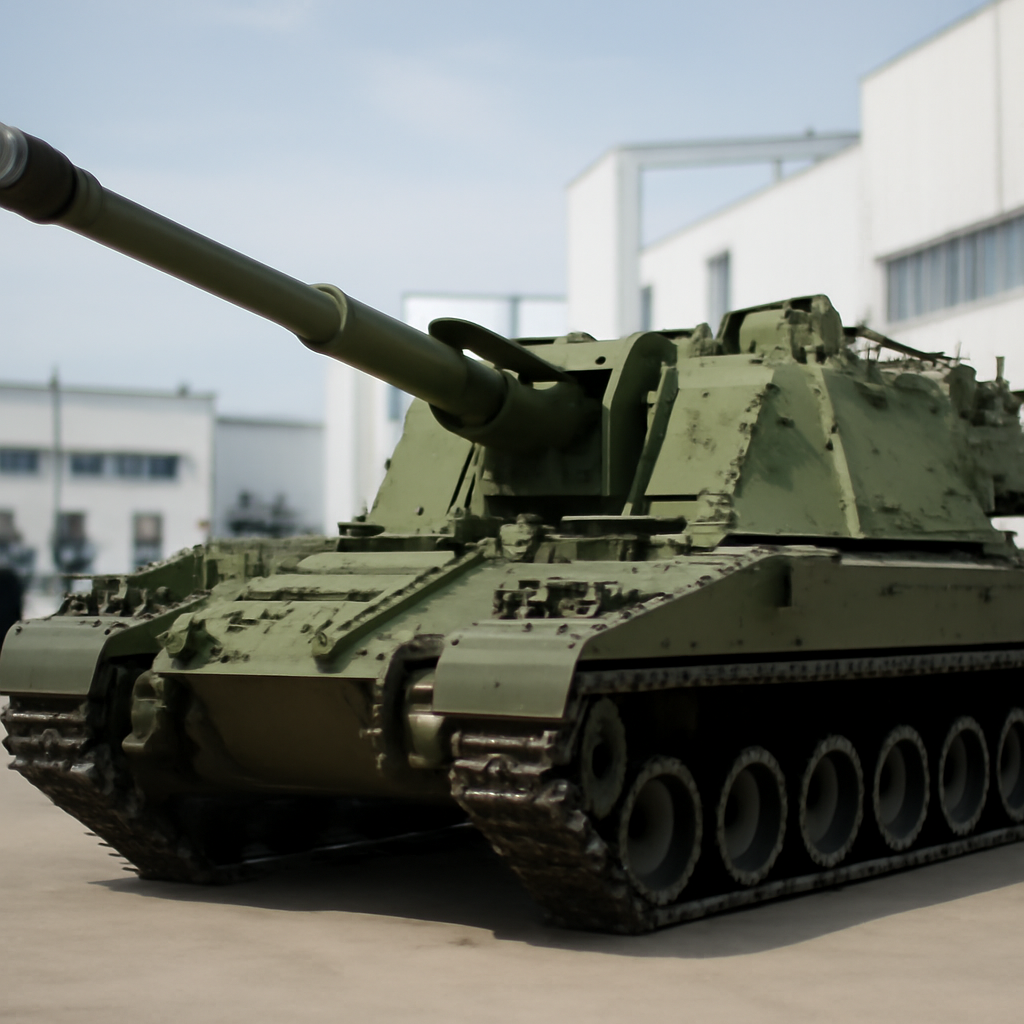
Hanwha’s own materials and Smith’s remarks set out a clear contrast between the two tracked options the company would offer. The K9A1, described by Smith as widely available and “the most cost-effective” option, is a 155mm, 52-caliber system with a reported range of over 40 kilometers and a short-burst firing capability of six to eight rounds per minute sustained for three minutes, according to Hanwha’s website.
The K9A2 is presented as the newer, more automated variant. It retains the same drive power as the K9A1 but adds a fully automated turret with a reported firing rate of nine to 10 rounds per minute. Hanwha also highlights two “independent” loading arms for projectiles and propellants and a new autoloader system intended to raise the rate of fire and reduce required crew size.

Audit-ready is a season. It shouldn't be.
Evidence in spreadsheets, controls drifting between audits, frameworks multiplying on flat headcount. Nubivance runs continuous compliance on Rapid7 Cyber GRC - SOC 2, HIPAA, ISO 27001, PCI, CMMC.
End the scrambleArmy’s solicitation: lead times, production capacity and onshoring
The Army’s Program Executive Office for Fires posted a request for information (RFI) on Sept. 30 seeking tracked howitzers and an accompanying resupply vehicle. The solicitation asked vendors to outline potential production lead times, maximum production capability, and strategies to onshore U.S. production if a vendor’s facilities are located abroad.
Smith told reporters Hanwha already sells several variants of both tracked vehicles to other land forces, a fact he said could shorten production lead times if the Army selects one of Hanwha’s tracked variants. He declined to specify what that lead time would look like.
How the Army expects wheeled and tracked variants to be used
The Army is pursuing separate tracked and wheeled howitzers because, the Program Acquisition Executive for Fires told Breaking Defense, the two variants “address different operational requirements and formations.” The service’s guidance explained the wheeled variant is intended to provide more mobility, survivability and “responsiveness” for formations that currently operate towed artillery; the tracked variant is described as better suited “for employment” with armored formations.
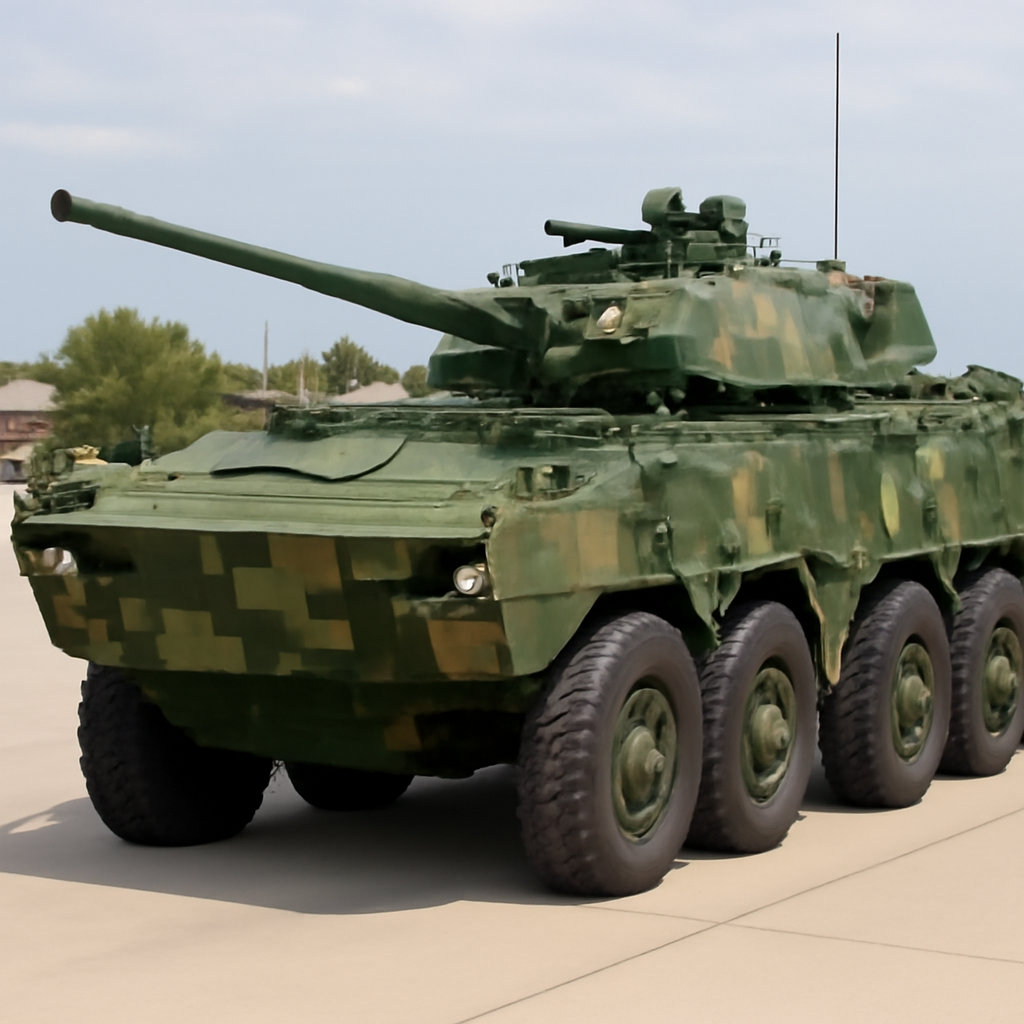
The reporting noted conventional physical distinctions common to the platforms under consideration: wheeled vehicles are generally lighter and better suited to road movement, while tracked vehicles typically use heavier chassis that can maneuver more easily in muddy or rough terrain.
How the Army, Hanwha USA, and armored formations are responding
- The Army: Through its RFI, the service is seeking concrete production timelines, capacity ceilings and onshoring plans — factors that will shape contractor selection and the pace at which either variant could begin to replace current systems.
- Hanwha USA: The company is leveraging a recent wheeled-howitzers award and its existing international sales of tracked variants to position itself as a bidder for the tracked competition, emphasizing both availability (K9A1) and expanded capability (K9A2).
- Armored formations: The Army’s stated intent places tracked systems in closer alignment with armored formations’ operational needs; those formations will likely watch procurement choices and production lead times closely because the tracked variant is framed as the preferred solution for rough-terrain, high-mobility employment.
Both new wheeled and tracked variants are intended to replace the towed M777 and the self-propelled M109A7 howitzers, the reporting notes, with the M109A7 originally fielded in the 1960s. That replacement framing clarifies the scale of the modernization effort but leaves several concrete questions pending — notably the production lead times vendors can commit to and how onshoring strategies will be evaluated in the selection process.
The immediate next milestones are the Army’s RFI responses and any vendor proposals that follow. Hanwha’s dual-track approach — pushing both an off-the-shelf, cost-effective K9A1 and a higher-rate-of-fire K9A2 — sets up a competition that will hinge on production speed, cost and how closely each variant can be tailored to the Army’s formal requirements.