As of June 1, CENTCOM forces have redirected 121 commercial vessels and disabled 5 to ensure compliance, the command reported — a concrete sign of the scale of U.S. operations in the region as tensions with Iran continue to produce kinetic encounters.
CENTCOM’s account of the engagement
U.S. Central Command (CENTCOM) said its forces “conducted self-defense strikes on Iranian radar and command and control sites for drones in Goruk, Iran, and Qeshm Island” after “the shootdown of a U.S. MQ-1 drone that was operating over international waters.” CENTCOM added that U.S. fighter aircraft “swiftly responded by eliminating Iranian air defenses, a ground control station, and two one-way attack drones that posed clear threats to ships transiting regional waters,” and that “No American service members were harmed.”
Predator or Gray Eagle? The nomenclature problem
CENTCOM’s release described the lost aircraft as an “MQ-1,” a designation that has led to confusion. Officially, the U.S. Air Force retired the MQ-1 Predator in 2018. The U.S. Army operates the related MQ-1C Gray Eagle, a different design derived from the Predator and tailored to Army requirements. TWZ contacted CENTCOM, the Air Force, the Army, and the Pentagon; CENTCOM declined to say whether the MQ-1 in its release was a Predator or a Gray Eagle.
The AP initially reported the aircraft as a Predator based on CENTCOM’s language, then removed an inaccurate passage that claimed the Air Force no longer flies the MQ-1 Predator while the Army still does. The Army maintains MQ-1C Gray Eagles in the region: an Air Force photo released in April showed what was captioned as an MQ-1 but was in fact an MQ-1C Gray Eagle, and Army aviation units with MQ-1Cs are known to be deployed in the Middle East.

Audit-ready is a season. It shouldn't be.
Evidence in spreadsheets, controls drifting between audits, frameworks multiplying on flat headcount. Nubivance runs continuous compliance on Rapid7 Cyber GRC - SOC 2, HIPAA, ISO 27001, PCI, CMMC.
End the scrambleIran’s footage and competing claims
Iran also described the target it shot down as an “MQ-1” and released a low-resolution infrared video it said depicted the engagement. The source material notes the footage is extremely low resolution and does not permit a clear identification of the airframe. The Houthis have continued to claim separate shootdowns of U.S. Reapers in Yemen during the same period.
MQ-9 Reaper losses driving operational pressure
Pressure on U.S. drone capacity is a recurring theme in the record. Air Force Chief of Staff Gen. Kenneth Wilsbach called the MQ-9 Reaper “perhaps the most valuable player” in the current conflict with Iran. At hearings and in reporting since February, the MQ-9 has featured heavily in CENTCOM’s public highlights of strikes.
Published tallies vary: Air & Space Forces Magazine quoted “people familiar with the matter” saying “nearly 30 MQ-9 Reapers have been lost,” while CBS News in April cited unnamed U.S. officials putting the tally “up to 24.” At a May 13 congressional hearing, Air Force Lt. Gen. David Tabor said the Air Force’s MQ-9 fleet had declined to 135 aircraft, down from 165 at the start of Fiscal Year 2026 and from 231 at the start of Fiscal Year 2025. Secretary of the Air Force Troy Meink has said “We are not divesting the MQ-9” while the service looks to replace losses and field a follow-on.
General Atomics, the manufacturer, told Air & Space Forces Magazine it had “less than 10 new or company-owned MQ-9As to offer to the Air Force,” and that there are decommissioned Reapers that could be refurbished, but the company has moved production to the MQ-9B.
How the Army, the Air Force, and CENTCOM might respond
- Army: The Army already operates the MQ-1C Gray Eagle and has assets deployed in the region; any role in reconstituting MQ-1 operations or increasing Gray Eagle tempo would rest on units and logistics already tied to those systems.
- Air Force: Facing attrition in the MQ-9 fleet and limited new MQ-9A availability, the Air Force is reported to be looking at options to “buy back” Reapers and to pursue a successor. The service has previously discussed transfer and reallocation options for MQ-1 airframes.
- CENTCOM: CENTCOM is actively defending maritime traffic and U.S. assets — its actions on June 1 included strikes on Iranian sites and continued redirection and disabling of commercial vessels — and will make operational decisions based on available ISR and strike platforms and the evolving threat picture at sea and over international waters.
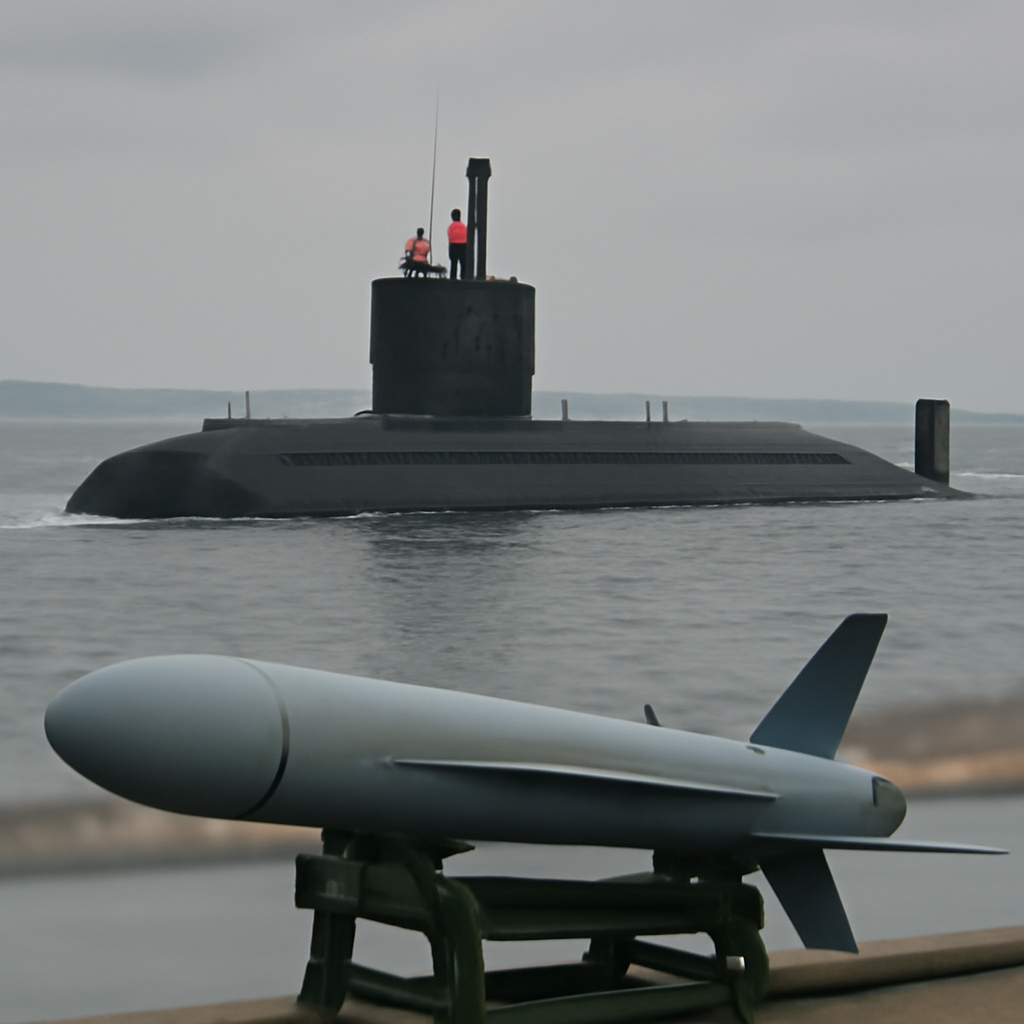
Operationally, the MQ-1 family retains attributes that could be useful in the current theater: Predators (and by heritage the Gray Eagle) can carry AGM-114 Hellfire missiles and have been used historically for surveillance and limited interdiction missions in and around the Persian Gulf. The source material notes that Hellfire remains a relevant weapon against small Iranian boats and that video from CENTCOM included a clip of a Ghadir-class midget submarine struck by an AGM-114, likely fired by an MQ-9.
In sum: CENTCOM publicly confirmed the loss of an “MQ-1” over international waters and conducted retaliatory strikes; identification of the airframe as an Air Force Predator versus an Army Gray Eagle has not been confirmed by U.S. authorities; and sustained MQ-9 attrition has created operational pressures that make any decision about returning older MQ-1 variants to service a question of both capability and logistics. With as few as 15 MQ-1Bs listed in AMARG storage as of September 2024 and General Atomics focused on newer MQ-9B production, the facts on the record point to real options but also significant constraints should U.S. forces seek to expand MQ-1 employment.
Source: TWZ — Is The U.S. Flying MQ-1 Predator Drones Again?