“We’ve proven ourselves to the warfighter across multiple AORs,” Kraus Hamdani CEO Fatema Hamdani told Breaking Defense — a concise claim that now has a $270 million vote of confidence behind it. AFCENT’s award to Kraus Hamdani for solar-powered, long-endurance drones raises immediate operational and strategic questions: what does a program funded at that scale mean for persistent surveillance and strike support, and how will a platform that already logged a three-day flight and appeared in multiple military exercises be integrated and contested?
The award in plain terms
AFCENT has awarded Kraus Hamdani $270 million for solar-powered, long-endurance drones, according to the reporting. The contract amount is notable in scale and signals institutional backing from a command-level customer for this class of unmanned aerial system.
What the aircraft has demonstrated
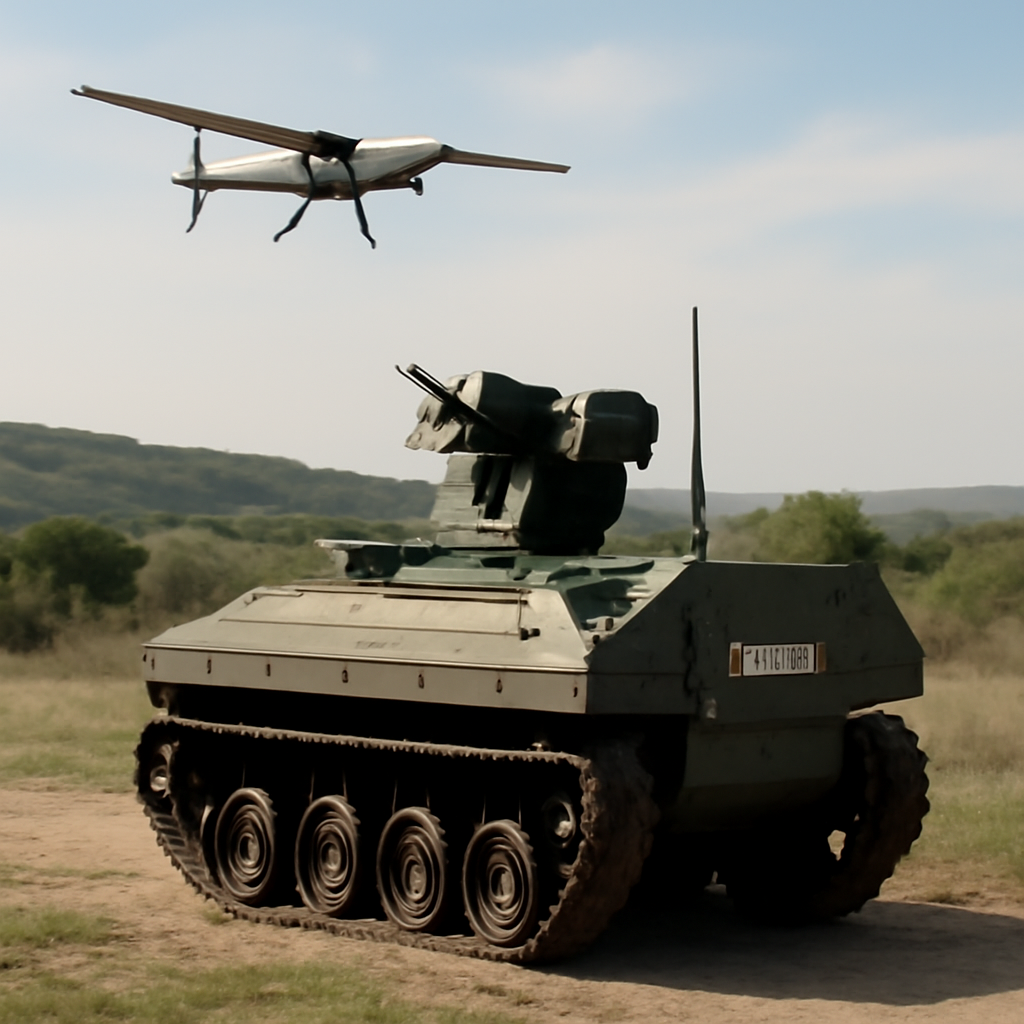
The company’s K1000ULE — described in coverage as solar-powered and designed for long endurance — has already broken endurance records with a three-day flight. The same platform has appeared in multiple military exercises, showing it is not merely a laboratory prototype but a system that has been exercised in operational settings. Those performance touchpoints form the factual backbone of the case Kraus Hamdani is making to the military customer.

Audit-ready is a season. It shouldn't be.
Evidence in spreadsheets, controls drifting between audits, frameworks multiplying on flat headcount. Nubivance runs continuous compliance on Rapid7 Cyber GRC - SOC 2, HIPAA, ISO 27001, PCI, CMMC.
End the scrambleWhy the facts matter
There are several clear implications from the combination of demonstrated endurance and a large contract award. For technologists, a three-day continuous flight by a solar-powered system validates progress on energy management, lightweight structures and autonomous systems integration. For the user community — reflected by Fatema Hamdani’s comment about proving the system “to the warfighter across multiple AORs” — the platform’s exercise history and endurance record provide empirical grounds for increased operational adoption.
For policymakers and procurement planners, the award represents a choice: invest in platforms that promise persistent presence or continue to rely on existing, shorter-endurance assets. That calculus will weigh demonstrated capability against program cost, support requirements and how the systems performed during those military exercises. For potential adversaries, a widely deployed, long-endurance, solar-powered UAV introduces new operational problems to solve — both in detection and in denial of persistent aerial presence.
Open questions and considerations
Even with the headline facts — $270 million awarded; K1000ULE’s three-day endurance record; multiple exercise appearances — several practical questions remain for stakeholders. How will these platforms be fielded and supported at scale? What operational concepts will exploit multi-day endurance most effectively? How will training, sustainment and rules of engagement adapt to systems that can remain aloft far longer than traditional tactical drones?
The answers will determine whether the investment buys sustained operational advantage or simply accelerates a shift in platform mix without changing the underlying mission effectiveness.
As the program moves from demonstrated flights and exercises into a sizeable, funded phase, one enduring question persists: when endurance becomes measured in days rather than hours, how will doctrine, logistics and the adversary response evolve to meet that new reality?
https://breakingdefense.com/2026/04/afcent-awards-kraus-hamdani-270m-for-solar-powered-long-endurance-drones/