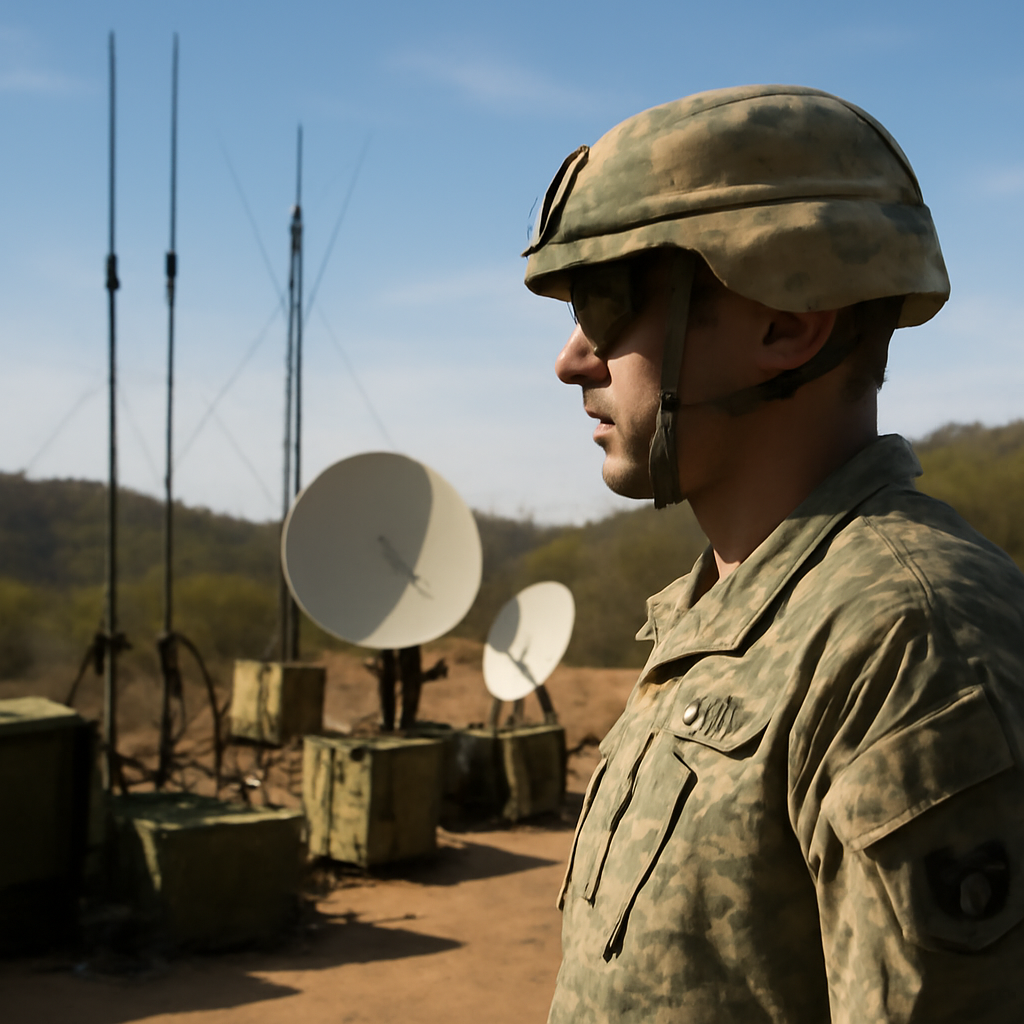
Intelligence Shake-Up: High-Tech Maverick and Veteran Insider Join the Ranks
In an unprecedented move that has left policy analysts and industry insiders both intrigued and cautious, the U.S. intelligence apparatus is reportedly undergoing a significant transformation. According to multiple sources within Washington, U.S. intelligence chief Tulsi Gabbard has quietly reshaped her senior team by tapping the high-profile technology entrepreneur Elon Musk for an advisory capacity, while longtime government operative Matt Baker steps in as her new chief of staff. The decision signals a dramatic convergence of private-sector innovation and traditional intelligence operations at a time when cybersecurity challenges continue to mount.
The announcement, which emerged through channels close to the intelligence community last week, marks one of the most notable personnel moves in recent decades. For decades, the U.S. intelligence establishment maintained a significant distance from the celebrity-status figures of Silicon Valley. However, as cyber threats and digital warfare have grown in complexity, officials say the boundaries between national security and advanced technology are blurring. With this evolving landscape, the need for fresh perspectives has never been greater.
Historically, the intelligence established by the U.S. has leaned on a cadre of career professionals dedicated to a culture of secrecy and stringent operational discipline. Yet, the rapid pace of technological innovation and evolving cyber threats have increasingly challenged that traditional model. Tulsi Gabbard’s appointment as the head of U.S. intelligence—a move that itself has raised eyebrows given her previous roles in public service—may be seen as a signal that the old paradigms are shifting. By integrating a figure like Elon Musk, whose ventures in space, electric vehicles, and artificial intelligence are at the cutting edge of modern tech, the Gabbard administration appears ready to bridge the often siloed sectors of government and industry.
Elon Musk’s involvement, while not yet detailed in public statements, is widely interpreted as a bid to harness entrepreneurial agility in the realm of intelligence and cybersecurity. Musk’s reputation as a disruptor is well known; the entrepreneur’s companies—SpaceX and Tesla, among others—have repeatedly pushed the boundaries of technology and innovation. His advisory role is expected to focus on leveraging emerging technologies to better secure critical infrastructure and counter cyber threats. Meanwhile, Matt Baker, described by colleagues as a seasoned hand with a reputation for operational efficiency and discretion, is tasked with helping to translate strategic vision into actionable intelligence initiatives.
In response to inquiries, a spokesperson from the Office of U.S. Intelligence stated, “Recent personnel decisions reflect our commitment to ensuring that the intelligence community remains agile and forward-looking in the face of novel challenges. Our focus remains on protecting our national interests through innovative and adaptive measures.” While no further details were offered, the emphasis on agility and innovation is clear—and it resonates with a broader governmental trend favoring public-private collaboration.
The significance of these appointments cannot be overstated. In an era marked by pervasive cyber threats—from state-sponsored hackers to disruptive non-state actors—the melding of high-tech expertise with established intelligence practices might present a robust counterbalance against modern adversaries. The implication is that bridging the gap between the operational security world and Silicon Valley’s fast-paced innovation could yield new strategies for safeguarding national assets.
- Elon Musk’s Role: Known for transforming industries with innovative solutions, Musk’s advisory position indicates an effort to apply private-sector problem-solving techniques to national security challenges.
- Matt Baker’s Appointment: With decades of experience under his belt, Baker’s new role as chief of staff is expected to ensure that Gabbard’s vision is executed with precision while maintaining operational security and internal cohesion.
- Tulsi Gabbard’s Vision: By embracing unorthodox appointments, Gabbard signals a flexible approach that prioritizes innovation and cross-sector collaboration over strict adherence to traditional bureaucratic norms.
From a broader perspective, this strategic realignment comes at a time when the international security environment is rapidly evolving. The growing dependence on digital infrastructure has led to a convergence of technological, political, and military realms. Some experts suggest that the integration of leaders like Musk and Baker could bring fresh insights into cybersecurity measures otherwise hampered by legacy systems and outdated protocols.
Analysts such as Dr. Michael Morell, a noted intelligence commentator and former deputy director of the CIA, have weighed in on this development. Dr. Morell observes, “The move to incorporate high-level private-sector expertise into intelligence strategy is reflective of the current realities many nations face. While it introduces potential benefits in terms of rapid innovation and problem-solving, it also raises questions about accountability and the inherent cultural differences between tech pioneers and traditional intelligence operatives.” Dr. Morell’s perspective reinforces a cautious optimism: the benefits of such cross-pollination are significant, but success will depend on managing the challenges of blending two very different worlds.
Looking ahead, observers note that the coming months will likely reveal how these changes influence both policy and operational outcomes. With cyber threats anticipated to scale further and adversaries adopting increasingly sophisticated tactics, the United States’ decision to recalibrate its intelligence strategy may well prove prescient. It is too soon to predict the precise impact; however, the move is expected to catalyze broader reforms in national security protocols, particularly in areas where technology serves as both a tool and a potential vulnerability.
Critics, however, caution that integrating non-traditional figures into the intelligence hierarchy could complicate the internal dynamics of an agency accustomed to a culture of secrecy and long-established procedures. Balancing innovation with the need for robust oversight is a delicate endeavor—one that necessitates careful, transparent management to ensure that the partnership does not compromise established security protocols or erode public trust.
In the meantime, the unfolding drama within the U.S. intelligence community underscores a profound reality: that the landscape of national security is no longer static, and that adaptability is essential for survival in the digital age. As unconventional alliances form and the boundaries between government and industry continue to blur, policymakers and stakeholders alike are left to ask: Can this bold integration chart a new course to safeguard American interests, or will the challenges of merging radically different operational cultures prove insurmountable?
Only time will tell whether these high-stakes appointments will pave the way for a more agile and innovative intelligence framework—one capable of meeting the demands of an increasingly complex and interconnected world. For now, the eyes of national security experts and citizens alike remain fixed on these developments, keenly aware that the balance of innovation and oversight is the linchpin of tomorrow’s operational success.