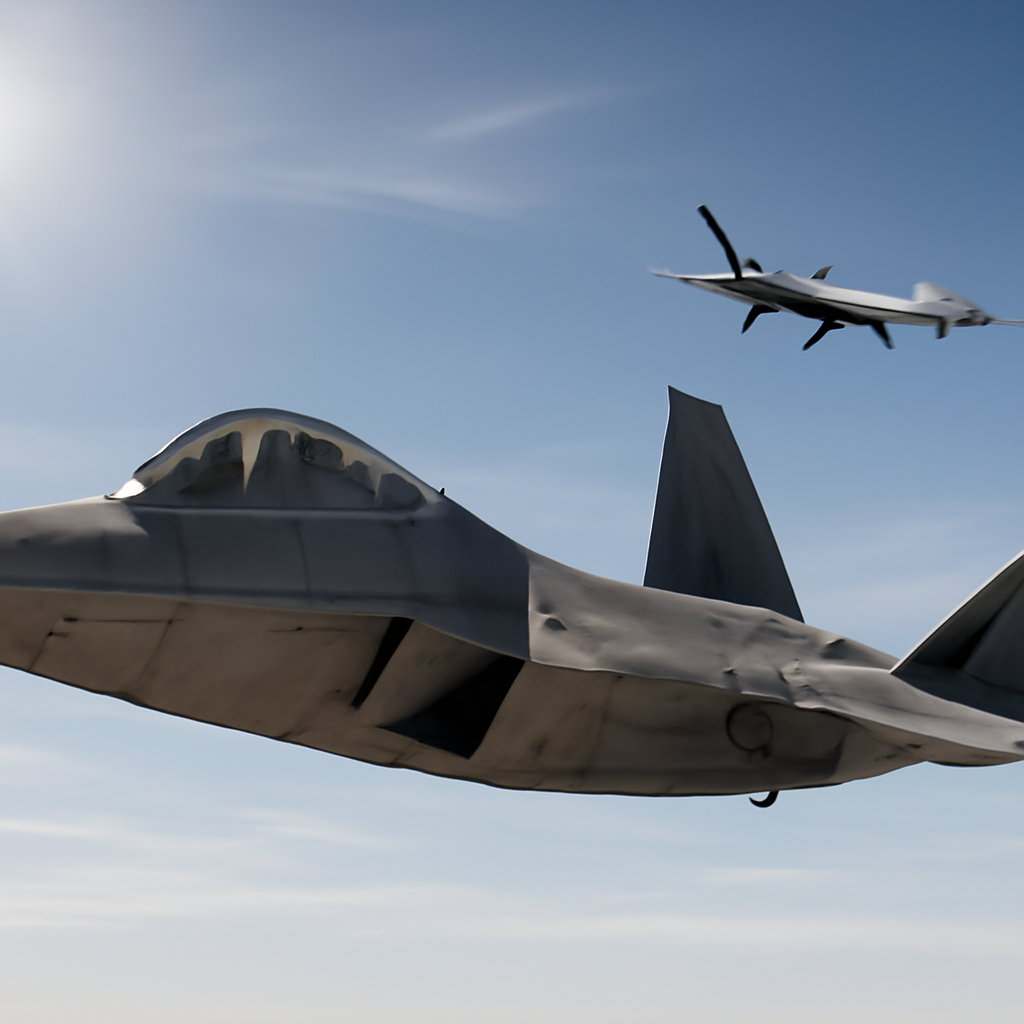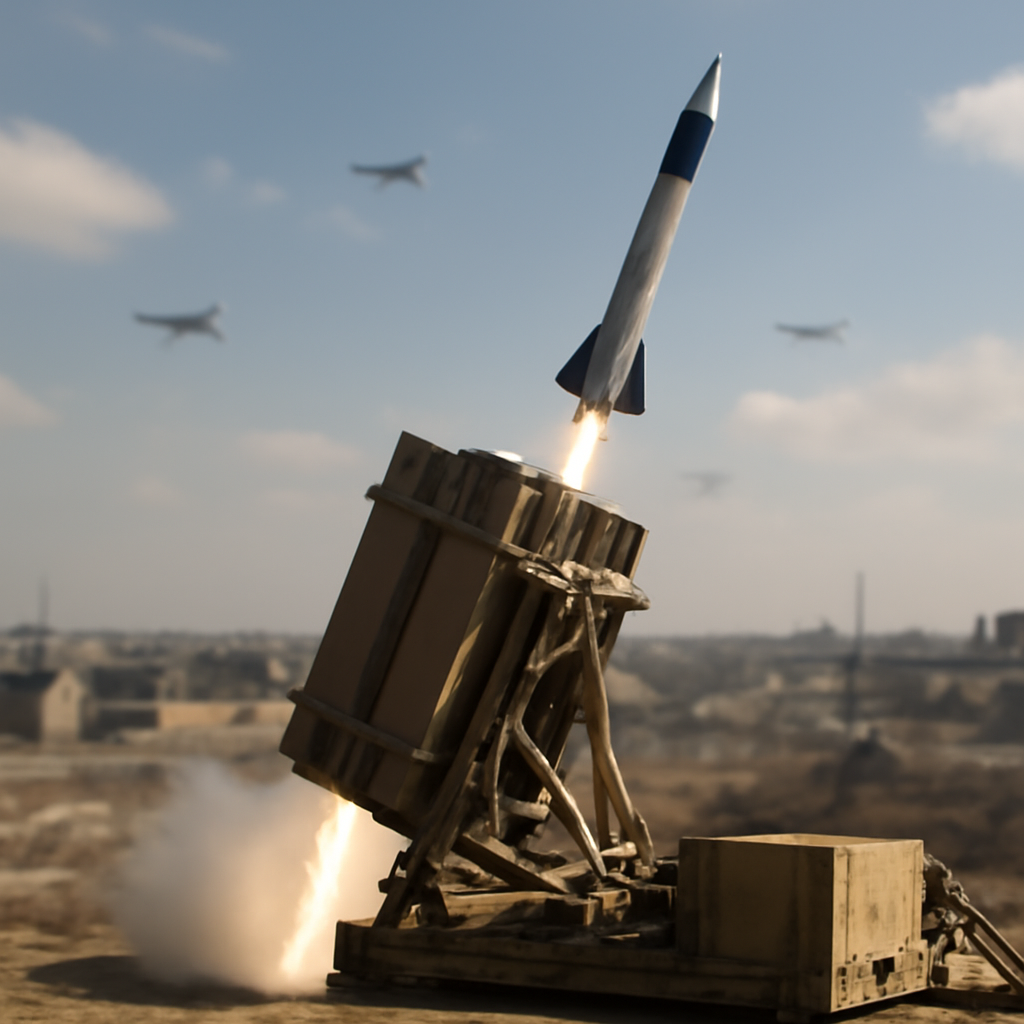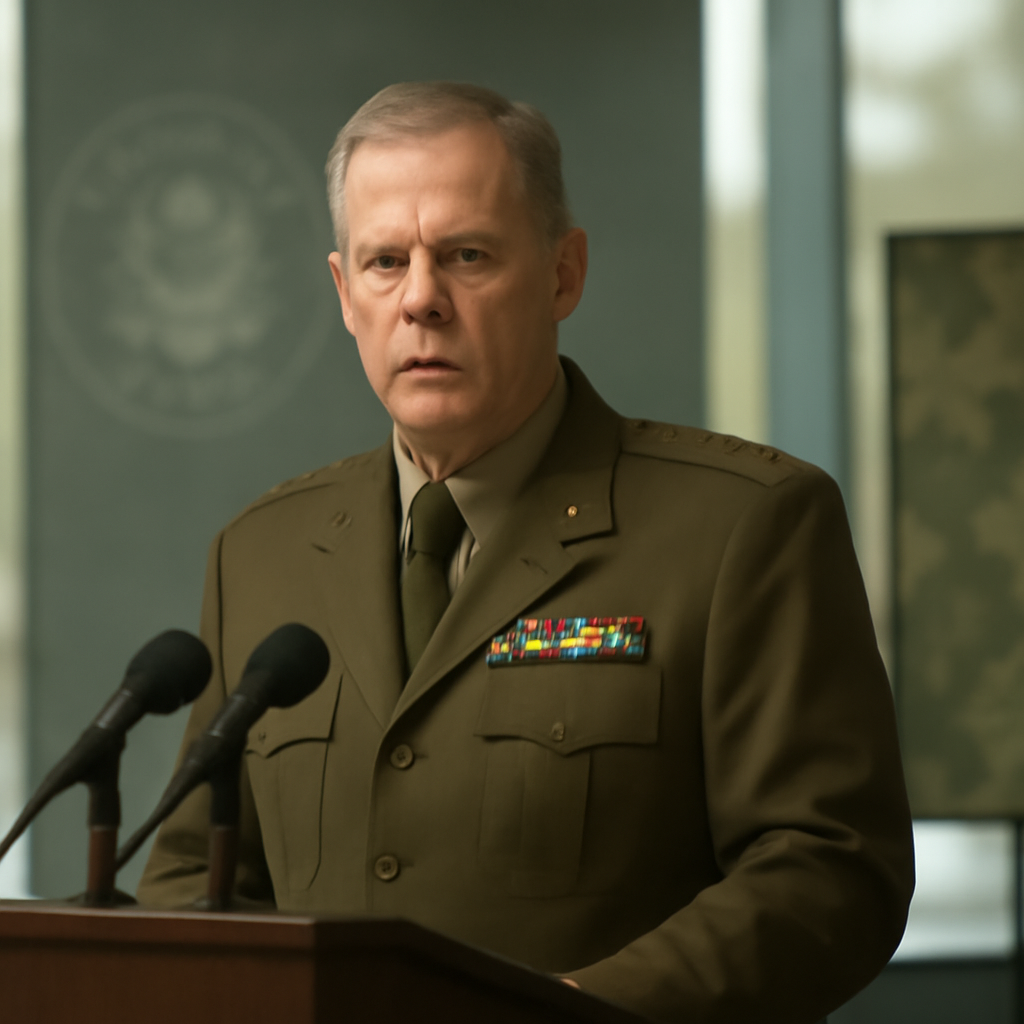
“Specifically, I am thinking through mobility and camouflage. So it’s one of those age-old Army forgotten sciences of how to hide in plain sight and how to camouflage ourselves from observation,” Gen. Ron Clark told reporters at the Association of the U.S. Army annual convention.
Gen. Ron Clark: mobility, camouflage and being seen
Gen. Ron Clark, commander of U.S. Army Pacific (USARPAC), framed the Pacific problem set by leaning on hard lessons from Ukraine and America’s paused fight against Iran. The central premise: if an opponent can see surface entities “it’s almost ubiquitous,” and “if they can see you, they can hit you.” Clark tied that vulnerability to specific capabilities — long-range fires, integrated air and missile defense, electronic warfare and deception — and urged a return to mobility and camouflage as operational first principles.
He argued any Pacific fight will require hop-to-hop maneuver across islands and ocean, often inside an adversary’s weapons engagement zone, forcing the Army to keep radars, sensors and fires mobile so they cannot be easily targeted.
Landing craft, logistics and a limited organic fleet
For that island-hopping maneuver, Clark emphasized the Army’s organic fleet — landing craft, small tugs and modular causeway systems operated by the 8th Theater Sustainment Command — as vital. He also warned the service is struggling to keep its aging fleet of roughly 70 vessels in the water and has shed others over the years, a constraint that shapes how maneuver and sustainment would be executed in a Pacific contest.

Audit-ready is a season. It shouldn't be.
Evidence in spreadsheets, controls drifting between audits, frameworks multiplying on flat headcount. Nubivance runs continuous compliance on Rapid7 Cyber GRC - SOC 2, HIPAA, ISO 27001, PCI, CMMC.
End the scrambleDrones, sensors and the changing shape of maneuver
The Ukraine war’s drone ubiquity figures centrally in the Army’s recalibration. Both sides in Ukraine have used smokescreens, paint schemes and other measures to defeat AI-enabled targeting and to duck and hide from persistent overhead sensing; the source shows images such as a Russian truck painted with zebra-style stripes and footage of a VB-140 Flamingo drone striking a Russian Mi-28 attack helicopter.
Gen. Xavier T. Brunson, commander of United Nations Command, Combined Forces Command and United States Forces Korea, described maneuver in that environment as distributed and iterative: “you might go from A to A1 to A2 to A3 to get to B,” using joint sensors and joint fires from multiple positions to create positions of advantage while avoiding fixed, predictable locations.
Lessons from Iran’s barrages and air defense mobility in Korea
The Iranian missile and drone barrages on fixed U.S. bases in the Middle East — which the source links to deaths, destroyed radars and damaged aircraft — have prompted specific changes for forces in Korea. Lt. Gen. Joseph “Joe” Hilbert said the command is “working through changes in our own tactics and techniques and procedures” based on those events, which the source refers to as lessons from “Operation Epic Fury.”
Col. Rosanna “Ro” M. Clemente, commander of the 35th Air Defense Artillery Brigade in South Korea, said air defenders are practicing “mobility and survivability jumps” to reposition systems quickly and preserve ballistic missile defense coverage. She added commanders are incorporating deception and displacement into training plans to create dilemmas for adversaries hunting air defense systems, and that passive defensive measures beyond hardening are now central to integrated air and missile defense.
Autonomy, convoys and sustainment: Tara Murphy Dougherty’s case
Tara Murphy Dougherty, CEO of Air, argued the logistics picture in Ukraine — where aerial and ground drones have been used to resupply frontlines and evacuate wounded — points toward more automation. She said simulation and automation can reduce the number of exposed convoys because “you are able to do many fewer actual convoys” by using compute, models and planning instead of “humans with Excel spreadsheets.”
Dougherty described an end-state of “as many autonomous convoys as possible” and urged interim steps that reduce soldier exposure while delivering more materiel and capability to forward forces, including more autonomy for medevac and non-soldier convoy tasks.
What this means for the Army, sustainers and trainers
- Army logisticians and sustainment commanders: plan for dispersed, sea-based maneuver using limited organic shipping — the Army must juggle mobility needs against an aging fleet of roughly 70 vessels and fewer craft than in the past.
- Air defenders and tactical units in Korea: continue practicing mobility and rapid displacement, apply deception and passive defensive measures, and integrate those actions into regular exercises to avoid becoming fixed targets.
- Trainers and headquarters: move beyond two annual large command-post exercises in Korea toward distributed training across larger areas — Clark suggested training “from Jeju all the way up to Gyeonggi Province,” in conversations with his deputy commander, Republic of Korea Army Gen. Sungmin Kim.
- Autonomy developers and sustainment planners: pursue simulation, convoy automation and autonomous ground vehicles to reduce exposed soldier convoys while increasing throughput to the front.
The Army’s immediate adjustments are practical and incremental — camouflage, mobility, deception, distributed training and more autonomy in logistics — yet a pair of concrete constraints drives urgency: the near-constant overhead sensing that makes static positions deadly, and the service’s shrinking pool of landing and sustainment vessels. How well commanders can disperse sensors, move radars and retain sustainment in an archipelagic fight will determine whether these lessons translate into survivable operations.