"The first air shipment of equipment has arrived to support the two specialized U.S. search and rescue teams, which are arriving in Venezuela to join ground operations as soon as possible," the U.S. Embassy in Caracas posted on X.
The earthquakes and immediate human toll
Venezuelan authorities reported two major quakes — magnitudes 7.2 and 7.5 — struck Wednesday night with an epicenter just west of Caracas. The authorities say the tremors "devastated much of the northern part of the country" and have killed more than 900 people. Imagery and witness video from affected areas, including the northern coastal city of La Guaira and Caracas’ Simón Bolívar International Airport, show widespread destruction and disruption.
C-17 airlift: teams, equipment, and where they landed
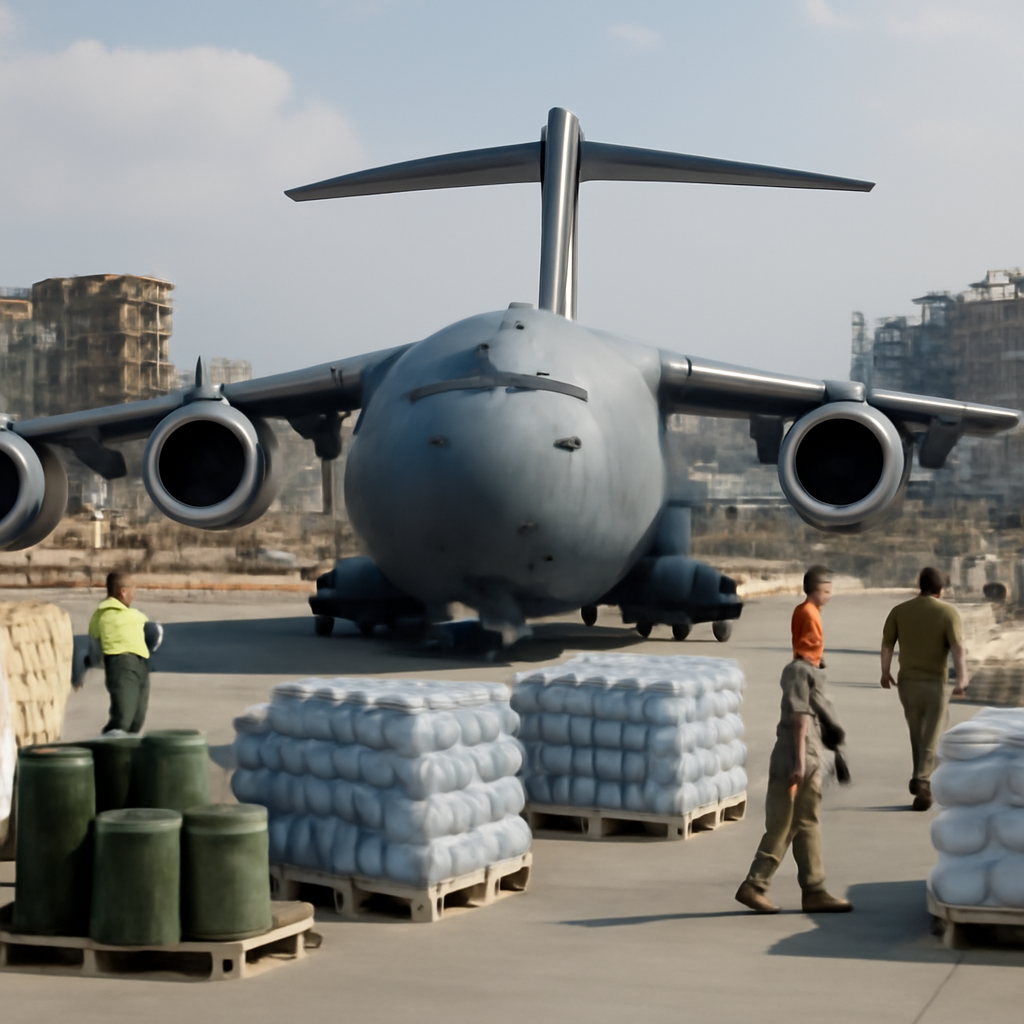
U.S. Air Force C-17 Globemaster III cargo jets were dispatched to support the response. Flight trackers and SOUTHCOM posts indicate at least four C-17s left the United States; the first arrived in Venezuela on the morning of June 26, and others landed soon after. One C-17 touched down at El Libertador airbase in Maracay; another landed in Curaçao, which is serving as a staging area for international search, rescue and humanitarian deliveries.
SOUTHCOM posted that two C-17s are transporting U.S. Urban Search and Rescue teams based in Los Angeles and Fairfax, Virginia, and a third C-17 will deliver load-movement equipment to Caracas. The teams include nearly 80 experts per team—firefighters, doctors, structural engineers—and 12 canines trained for detection in rubble, according to the U.S. Embassy post. A USA-01 team public post described being "enroute to #Venezuela" with 79 personnel, six K9s, and 70,000 pounds of equipment.

The cyber insurance questionnaire just landed. Now what?
SOC 2, HIPAA, insurance renewals - someone has to own security strategy. Nubivance provides fractional CISO leadership without the full-time salary.
Get a security leadNaval and rotary-wing support: Fort Lauderdale, Billings, Ospreys, and Chinooks
Two U.S. Navy vessels already in the region — the San Antonio-class amphibious transport dock USS Fort Lauderdale (LPD 28) and the Freedom-variant littoral combat ship USS Billings (LCS 15) — have arrived near Venezuela to support State Department-led relief operations, SOUTHCOM said. Fort Lauderdale has been in the Caribbean the longest; the source notes it "took part in the counternarcotics operation that led to the capture of former Venezuelan dictator Nicolás Maduro, now in custody in the U.S." The ship can embark multiple rotary-wing types, including MV-22B Ospreys and UH-1Y Venoms, and could serve as a staging area for aid delivery or casualty evacuation.
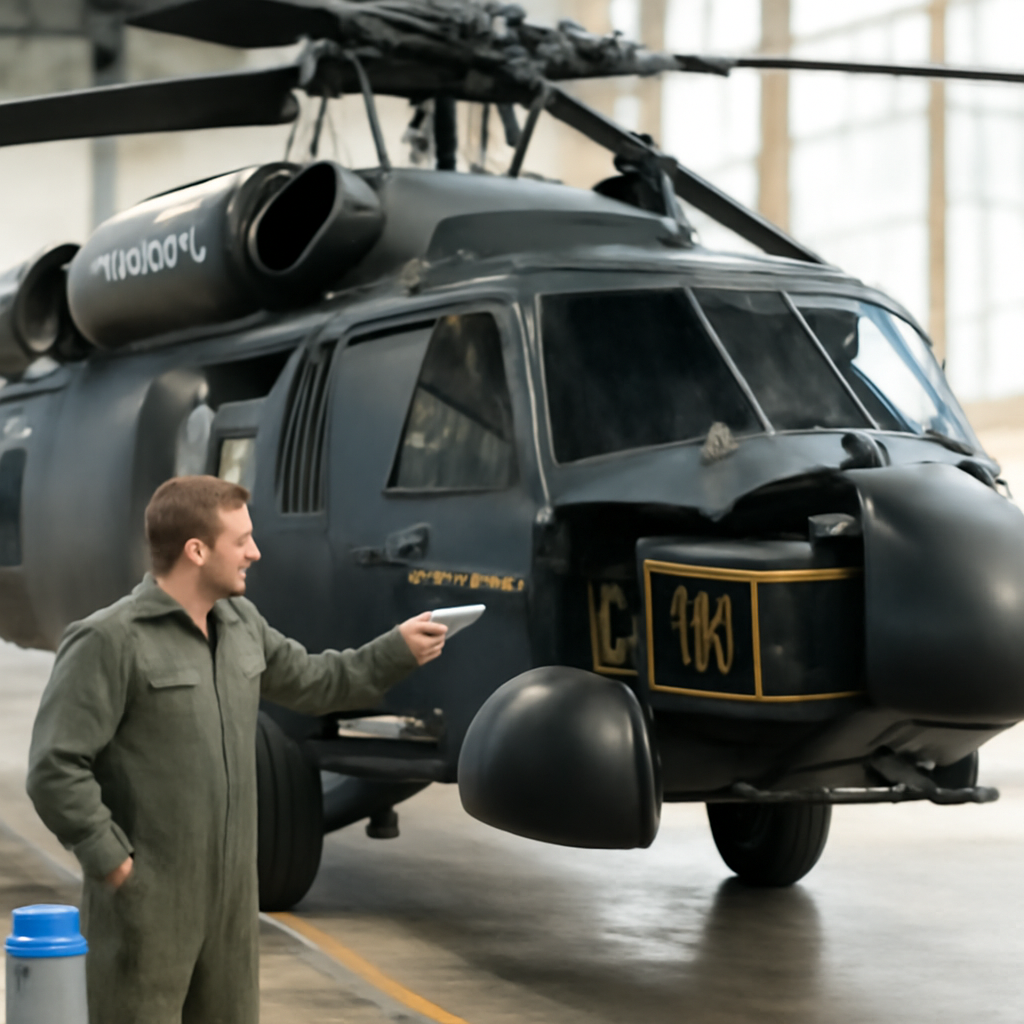
The flight deck of Billings supports MH-60 Seahawks and drones and can also accommodate other helicopters. SOUTHCOM released images showing a U.S. Marine Corps MV-22B Osprey landing in Venezuela and a U.S. Army CH-47 Chinook at Soto Cano Air Base in Honduras prepared for potential support. In an UPDATE, SOUTHCOM said three CH-47 Chinooks and crews from Joint Task Force–Bravo will depart Soto Cano en route to support transport of personnel and supplies to impacted Venezuelan communities.
SOUTHCOM leadership, interagency framing, and ISR contributions
U.S. Marine Corps Maj. Gen. Kevin J. Jarrard arrived in Caracas on Thursday to oversee Pentagon support for the earthquake relief effort and is serving as the senior SOUTHCOM official on the ground, the command said. SOUTHCOM characterized its deployment as "significant forces" sent to provide mobility and specialized support to U.S. government personnel, search-and-rescue teams, and interagency partners.
The command also flagged intelligence, surveillance and reconnaissance (ISR) capabilities that could contribute to the response: unmanned platforms such as MQ-9 Reaper and MQ-4C Triton, piloted P-8 Poseidon maritime patrol aircraft, and high-altitude U-2 reconnaissance platforms. SOUTHCOM’s U.S. Space Force component is providing satellite imagery of devastated areas to disaster relief planners to help prioritize where immediate life-saving aid is needed.
How the U.S. military, the U.S. Embassy, and Venezuelan authorities are positioned
- U.S. military planners: coordinating airlift, rotary-wing and naval lift to move specialized urban search-and-rescue teams, equipment and load-movement assets into Caracas and staging points such as Curaçao and Honduras.
- U.S. Embassy in Caracas and State Department: positioning embassy messaging and labeling the deliveries as support for State Department–led humanitarian response; the embassy outlined the capabilities arriving with the search-and-rescue teams.
- Venezuelan authorities: reporting the casualty toll and impact, and receiving international offers of assistance; the source quotes Venezuelan authorities’ casualty figures and notes the epicenter’s proximity to Caracas.
Additional countries and partners are taking part in relief, and China has publicly pledged to provide emergency humanitarian assistance to Venezuela, the source reports. President Donald Trump posted that the United States "stands ready, willing, and able to help" and had instructed agencies to prepare to move quickly, while Venezuelan officials publicly thanked the U.S. president and administration for offering support.
The relief operation is still unfolding. SOUTHCOM’s update enumerates the early force laydown — C-17s transporting urban search-and-rescue teams, MV-22s carrying an airfield assessment team, amphibious ships in position, CH-47s staged in Honduras, and Space Force imagery supporting planners — but the source notes it is unclear how much larger the U.S. military presence might become as needs and host-nation coordination evolve.
Source: TWZ — C-17 Cargo Jets Flowing To Caribbean For Venezuela Earthquake Relief Effort