"The question is, is the window still valid? The answer for us at USARPAC is yes," Gen. Ronald Clark said Tuesday at AFCEA’s TechNet Indo-Pacific conference in Hawaii.
Gen. Ronald Clark and US Army Pacific posture
Gen. Ronald Clark, head of US Army Pacific, told an industry conference that his command is actively preparing for a potential Chinese invasion of Taiwan within the planning horizon known as the "Davidson window." Clark — who served as the chief of staff to retired Adm. Phil Davidson when Davidson outlined the timeline in 2021 — described a deliberate, theater-wide effort to move forces, equipment and materiel so that Army Pacific can deter conflict during the period that has been used by U.S. and allied planners as a benchmark.
The Davidson window and the April 2, 2027 benchmark
“Davidson window” refers to a 2021 statement by retired Adm. Phil Davidson to the Senate Armed Services Committee that China could develop the capability to invade Taiwan within six years. Clark said USARPAC is using that timeline as a planning reference, and he stated a concrete readiness target: “The goal is to be ready by April 2, 2027,” he said. Clark emphasized that the date is not a forecast of when conflict will occur but a “chalk line” by which forces should be prepared.

The cyber insurance questionnaire just landed. Now what?
SOC 2, HIPAA, insurance renewals - someone has to own security strategy. Nubivance provides fractional CISO leadership without the full-time salary.
Get a security leadArmy Ready Forward and the island-chain posture
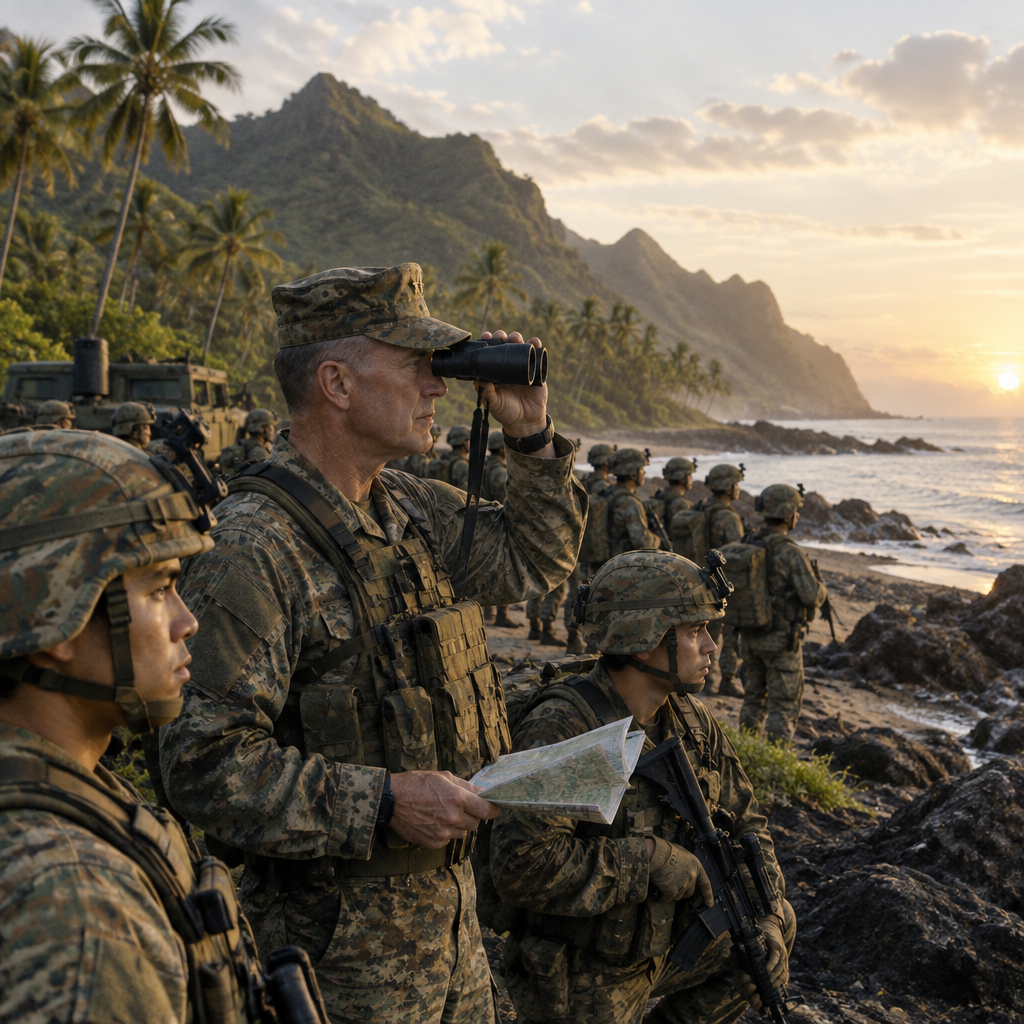
To meet that target, Clark described an initiative USARPAC calls Army Ready Forward. The effort, he said, centers on positioning equipment, materiel and personnel on a rotational basis across the first and second island chains west of the international date line. That posture is designed to set the theater in ways intended to deter aggression, and to ensure forces are in forward positions when required.
Commercial-first approach and mass-producible systems
Clark identified procurement and industrial capacity as operational priorities over the coming months. He said the Defense Department has been emphasizing a commercial-first approach that favors "good enough" solutions soldiers can use immediately, rather than bespoke, high-cost systems whose development and procurement create delays. At the same time, he argued for balance: “We need the right balance between exquisite, high-end systems and affordable, mass-producible alternatives.”
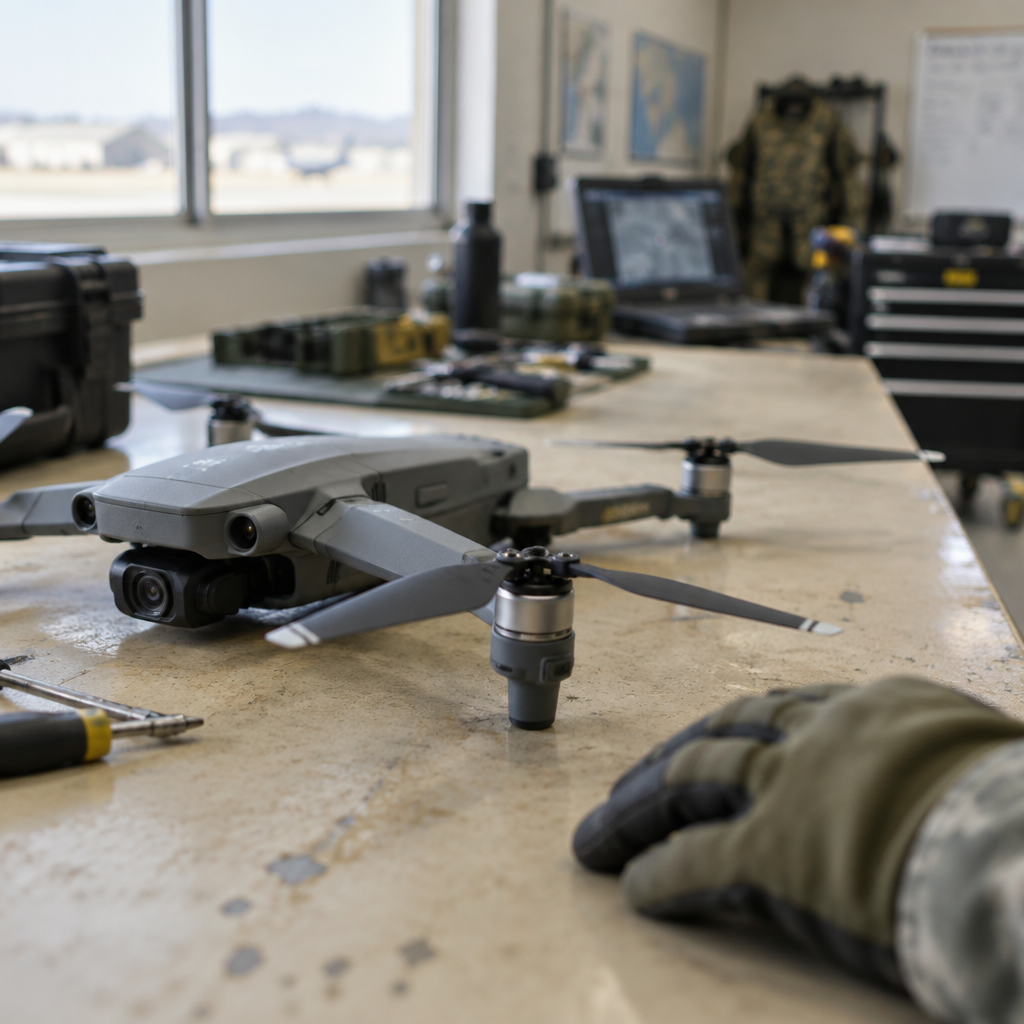
That balance, Clark said, includes fielding large numbers of low-cost drones to provide an ability to overwhelm an adversary, and developing resilient, affordable and scalable ways to sustain forces at the tactical edge when traditional infrastructure is disrupted or unavailable. He framed these requirements as urgent and directly tied to the operational need for surge capacity and production at scale.
What this means for industry, military planners, and regional partners
- Industry: Clark called for partnership to adapt the industrial base to provide surge capability and capacity required in a crisis. He singled out the need for affordable systems that can be produced at scale and fielded quickly, including low-cost drones and other mass-producible platforms.
- Military planners: The April 2, 2027 readiness goal serves as a planning milestone for force posture, rotational deployments, and logistics arrangements across the first and second island chains, driven by Army Ready Forward’s emphasis on prepositioned equipment and personnel.
- Regional partners and defenders of Taiwan: The Davidson window remains a planning benchmark that has shaped deterrence efforts; Clark said USARPAC will “continue to prepare, we’ll continue to modernize, we’ll continue to posture ourselves for the business of deterring war well beyond [2027].”
Clark’s comments tie a specific readiness date to broader shifts in acquisition and force posture. The public record he cited frames April 2, 2027 as a milestone rather than a prediction, while pressing industry to move from bespoke solutions toward commercially available, mass-producible systems that can be fielded at scale. The coming months, in Clark’s telling, will test whether procurement practices, industrial capacity and rotational deployments can align around that chalk line — and whether the partnerships he called for will deliver the resilient, affordable capabilities USARPAC says it needs.