“Export licences will be required, and applications that meet the requirements will be approved.”
Announcement No. 49: who issued it and what it changes
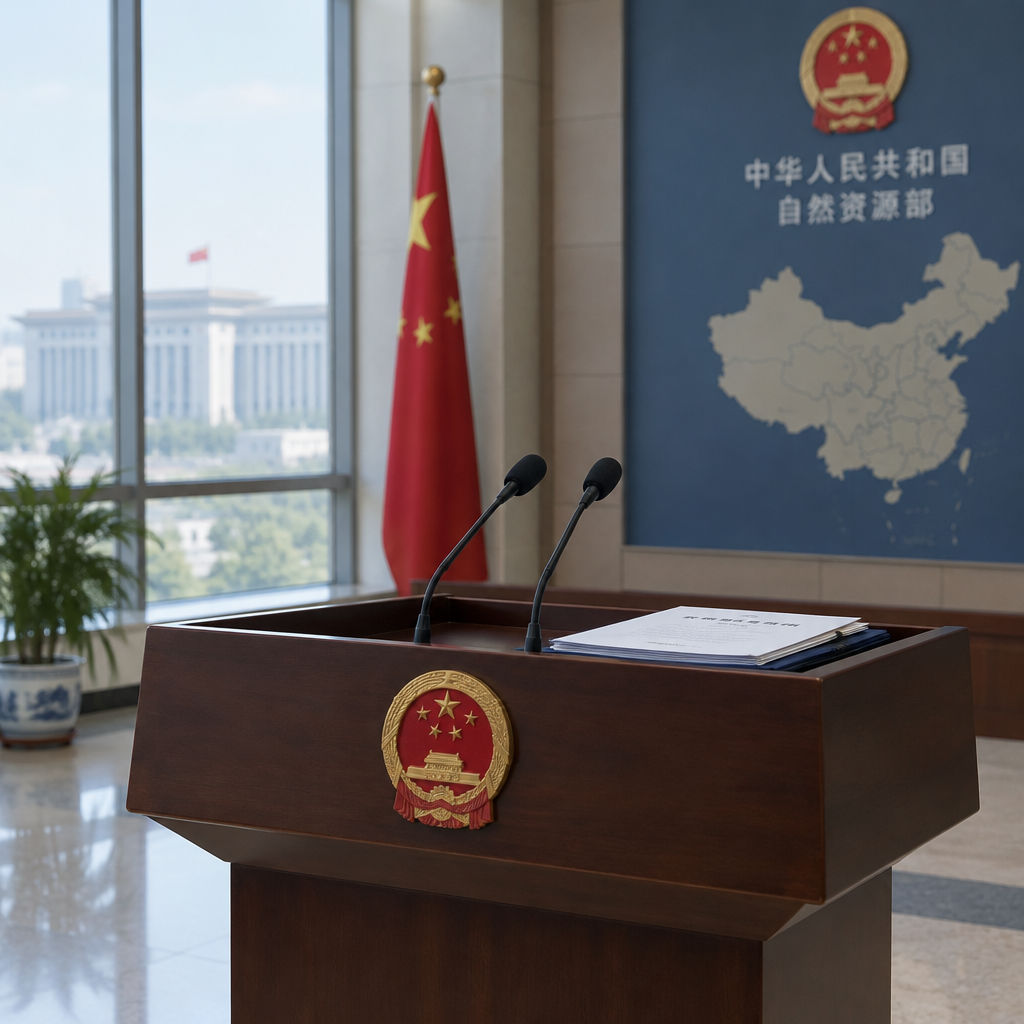
On 19 October, China’s Ministry of Commerce (MOFCOM), acting jointly with the General Administration of Customs and the Equipment Development Department of the Central Military Commission, published Announcement No. 49, revising dual‑use export controls across 13 categories. The measures broaden the list of drones and drone components that now require export licences, and they take effect on 18 November.
What the new rules cover: propulsion, flight controls, communications and more
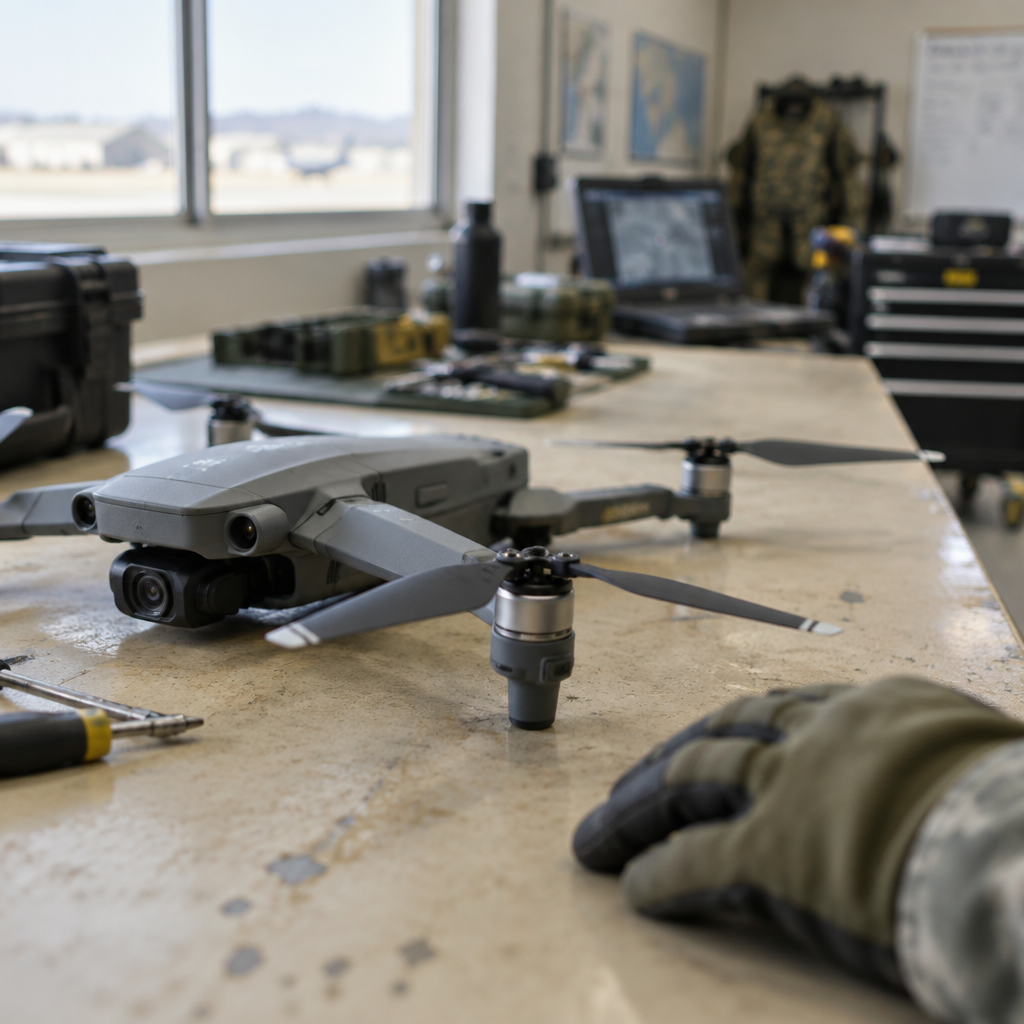
The revision treats a wider set of drone hardware and related technologies as dual‑use goods. Announcement No. 49 explicitly lists categories spanning propulsion, flight‑control electronics, communications, software and manufacturing technologies. Among the specific items and capabilities newly subject to licensing are:
- Brushless motors rated at 48 V or more, with power of at least 3 kW and a power density of at least 3 kW/kg;
- Drone engines above 16 kW; turbojet engines producing 400 N or more of thrust; and engines designed for flight above 15,420 m;
- Carbon‑fibre propellers with blades of at least 762 mm measured from the centre of rotation;
- Drones capable of beyond‑visual‑line‑of‑sight (BVLOS) flight lasting between 30 minutes and three hours when exposed to gusts of 46.3 km/h or more, plus drones capable of flight lasting three hours or longer;
- Drones with ranges of 300 km or more; and
- Specially designed autopilots, radio equipment, communications systems, electronic speed controllers and related flight‑control electronics.
The announcement treats these items as dual‑use—that is, having both civilian and military applications—placing them under China’s export control framework.

The cyber insurance questionnaire just landed. Now what?
SOC 2, HIPAA, insurance renewals - someone has to own security strategy. Nubivance provides fractional CISO leadership without the full-time salary.
Get a security leadCompliance, enforcement and exemptions
Exporters of covered items must apply for licences. Announcement No. 49 requires exporters to provide customs with technical specifications, intended use and end‑user information for covered shipments. The announcement states that applications meeting the requirements will be approved, and it gives customs the authority to detain shipments where declarations are in doubt.
The revision also eases controls in some civilian areas. Conventional 5‑ and 7‑inch first‑person‑view (FPV) drones generally fall below the new propulsion thresholds and therefore continue to be exportable under the existing rules; batteries and cameras also remain under the prior regime. Civilian drone items eligible for simplified registration are treated more lightly under the revision. Agricultural drones are exempt where tanks are below 80 litres and ranges are under 300 km, a change that raises the previous spraying threshold.
What this means for drone producers in the United States, Europe, and Ukraine
Announcement No. 49 explicitly raises supply‑chain risks for drone producers in the United States, Europe and Ukraine, with heavy‑lift and long‑range drones identified as the most exposed categories. For Ukraine, the announcement notes that the rules could delay supplies, add inspections and raise costs for specialized autopilots, high‑power motors, speed controllers and communication equipment. Foreign buyers have until the 18 November deadline before the motor licensing rules apply.
Practical impact: more paperwork, possible detentions, and a narrow carve‑out
The measures are framed by MOFCOM as driven by “national security, international non‑proliferation obligations and the stability of global supply chains.” In practice, the immediate operational changes are procedural: exporters must disclose technical and end‑use details and apply for licences; customs officials gain authority to detain shipments when declarations are questionable; and some previously regulated civilian items now qualify for simplified registration or exemption (notably certain agricultural systems and smaller FPV platforms).
The announcement characterizes the licensing regime as selective rather than prohibitive—applications that meet requirements will be approved—while expanding the universe of items that require that administrative step.
Link to the original report: https://quwa.org/drone-market-intelligence/china-tightens-export-controls-on-drone-engines-autopilots-and-communication-systems/