"So we see that playing a key role in order to be able to achieve that effect at mass, … [and] in an affordable manner, while also being able potentially to preserve something that’s more exquisite for something that requires an exquisite munition,” Maj. Gen. Bernard Harrington said at AUSA this week.
Maj. Gen. Bernard Harrington on mass, cost and the “mission kill”
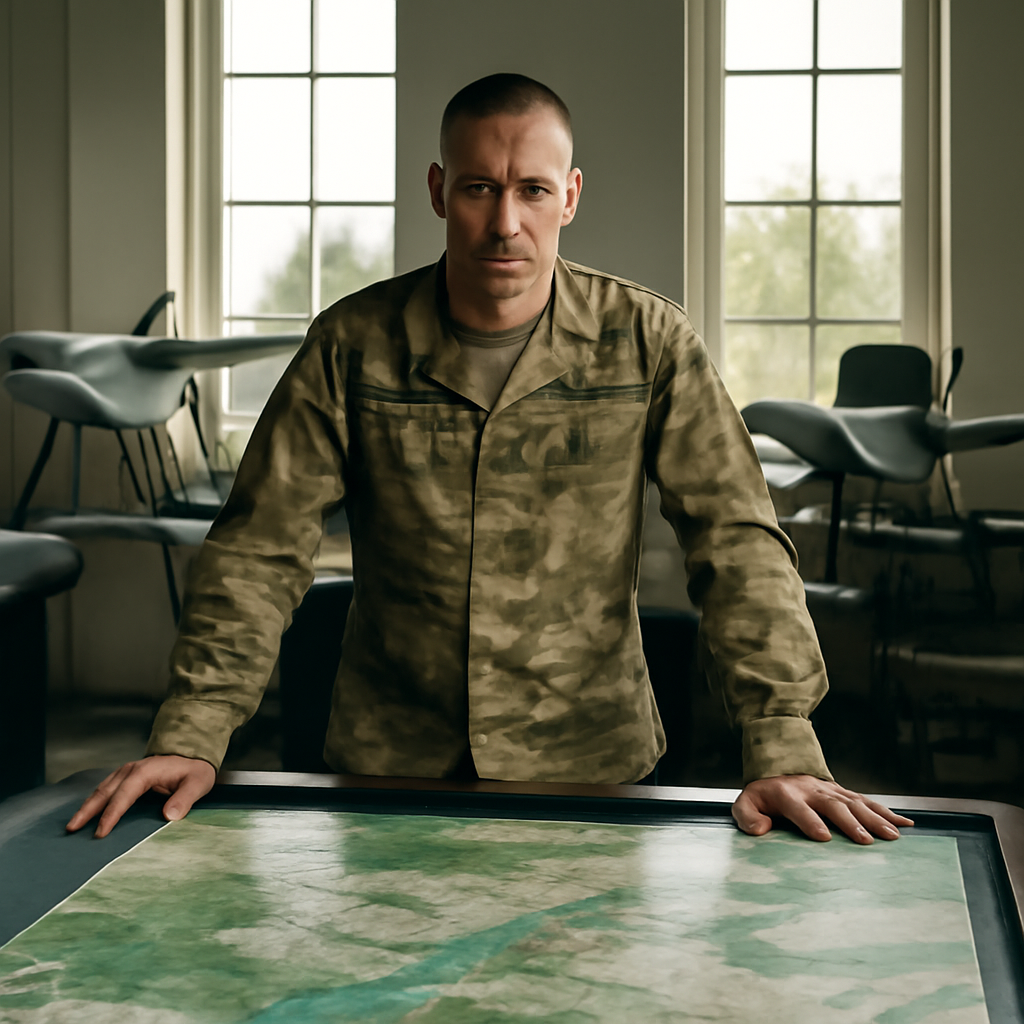
At the Association of the U.S. Army’s annual symposium, Maj. Gen. Bernard Harrington, commander of the 7th Infantry Division and of Multi‑Domain Command‑Pacific (MDC‑PAC), framed LUCAS and similar long‑range one‑way attack munitions as tools to achieve mass on a favorable cost curve. Harrington argued that the goal is often not to sink a ship outright but to create a “temporal window opportunity” for a joint force commander by removing specific systems — radars, communications antennas and other subsystems — that degrade a platform’s combat effectiveness. TWZ described that effect as a “mission kill,” and Harrington made clear the Army is modeling how coordinated, lower‑cost effects can unmask higher‑value follow‑on capabilities.
Training at Bayonet Academy and the formation of MDC‑PAC
The Army has begun teaching the full lifecycle for these systems at Bayonet Academy at Joint Base Lewis‑McChord, incorporating maintenance, employment, and orchestration of long‑range one‑way attack munitions, Harrington said. Those training moves accompany organizational changes: earlier this year the Army brought the 7th Infantry and the 1st Multi‑Domain Task Force together under the MDC‑PAC umbrella. The MDTFs — of which there are now four — and the newer MDC formations are explicitly built to explore and field new long‑range strike and advanced uncrewed capabilities.

This site is the portfolio.
OSINTSights runs on Cloudflare Workers, D1, R2, and Vectorize, with an AI pipeline on Hetzner ARM. Nubivance designed, built, and operates it. We do the same for clients.
See what we buildLUCAS in combat, launch effects, and evolving naval and surface roles
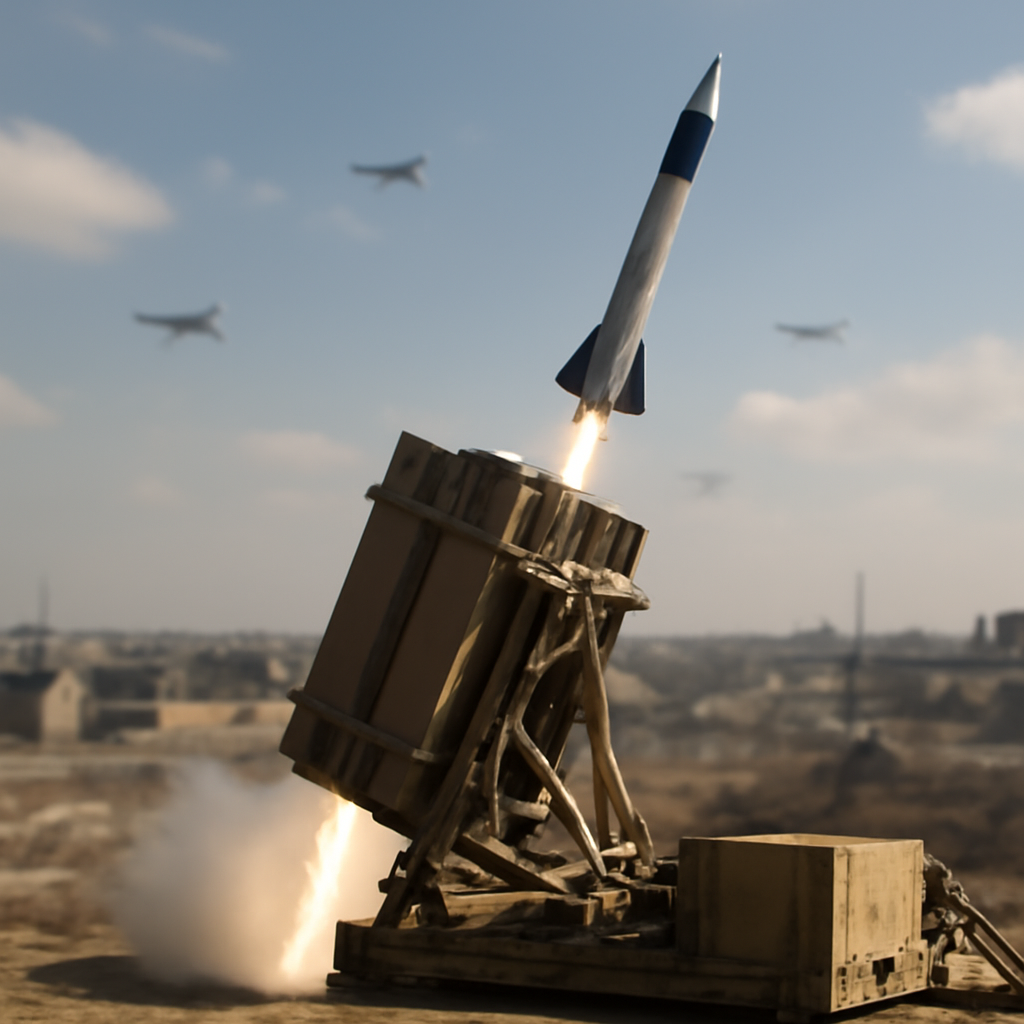
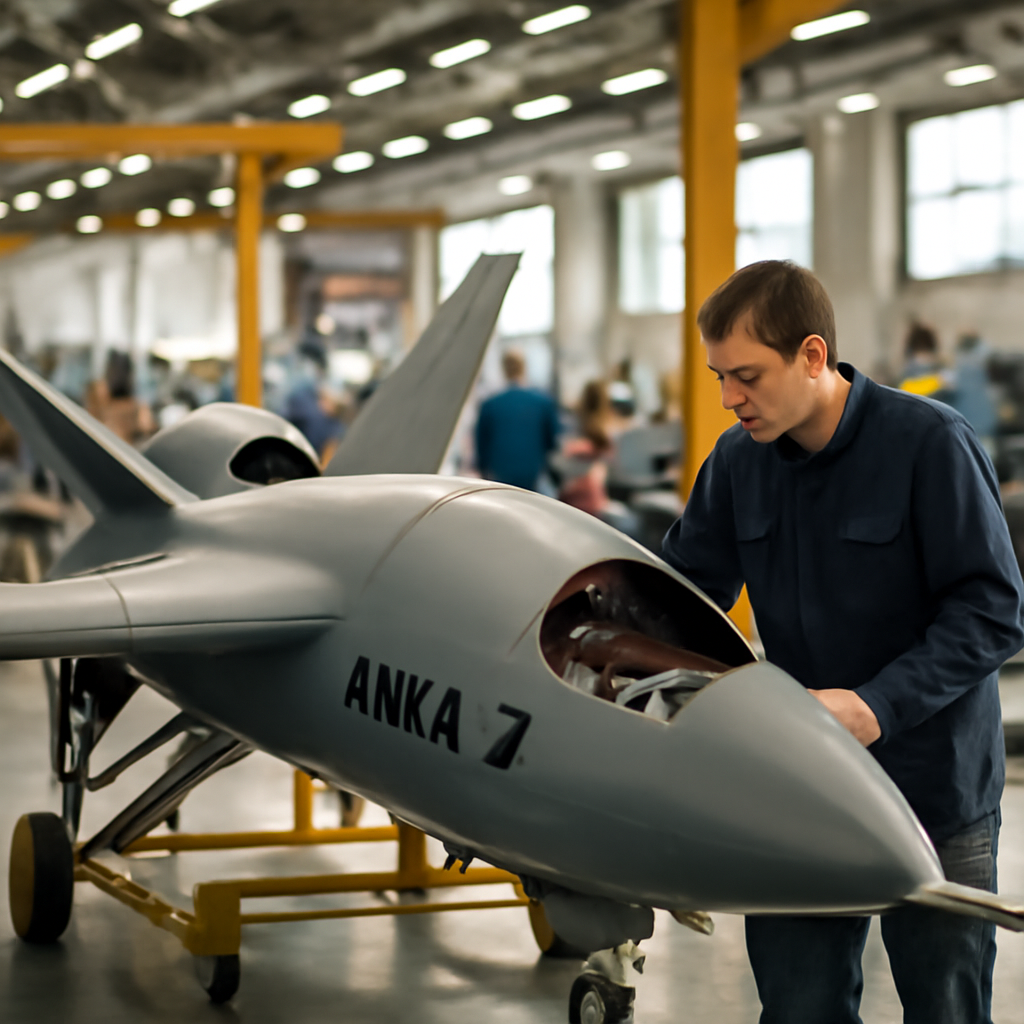
The Army first announced it had begun fielding LUCAS in December 2025; TWZ reported that LUCAS made its combat debut “in the opening phases of major combat operations against Iran earlier this year.” LUCAS is a pusher‑propeller, combustion‑engine, one‑way kamikaze drone that can be fired from static ground launchers or installed shipboard, often assisted by a small rocket booster. The service is also pursuing “launch effects” — a catch‑all for uncrewed systems launched from air, ground or sea platforms for strike, surveillance, electronic warfare, or relay duties.
Sea‑launched surface one‑way attack systems are now part of that picture too. CENTCOM tweeted on July 13, 2026, that three Corsair unmanned surface vessels struck a submarine and ship maintenance facility at Bandar Abbas Naval Base — the first time American forces had employed that sea‑launched capability in combat, according to the CENTCOM message quoted by TWZ. The service has also tested LUCAS operations from Navy ships, including a launch from the stern flight deck of the Littoral Combat Ship USS Santa Barbara during testing.
Industry enablers: Shield AI’s Hivemind and Covenant’s Anthem
The U.S. Army is lining up both lower‑cost munitions and autonomy to increase effectiveness. Shield AI’s Hivemind autonomy package will enable LUCAS swarming, allowing multiple drones to share tasks, maneuver cooperatively, reroute around air defenses, and maintain mission continuity despite jamming or loss of datalink, TWZ reported. Separately, the U.S.–Israeli company Covenant is developing the long‑range strike weapon called Anthem; the Army’s engagement with Anthem was confirmed in September, and TWZ reported a live‑fire demonstration in Morocco earlier this year.
TWZ also reiterated long‑standing cost comparisons: earlier estimates placed the Russian Shahed‑136 at roughly $50,000 per copy while traditional cruise missiles with similar range cost in the millions, a gap that shapes the Army’s calculations about mass, attrition, and interceptor expenditure.
What this means for the 7th Infantry Division, MDC‑E, and Covenant/Shield AI
- 7th Infantry Division and MDC‑PAC: Will continue to refine training at Bayonet Academy and practice orchestration of long‑range one‑way attack munitions to generate massed effects while preserving higher‑value systems.
- MDC‑E and forward forces in Europe: Brig. Gen. Steven Carpenter said these systems help “disintegrat[e] an anti‑access/area denial bubble” and create counter‑fire parity; MDC‑E leaders are modeling use against missile systems identified by NATO reporting names SS‑26 and SS‑21.
- Covenant and Shield AI: Covenant’s Anthem testing and Shield AI’s Hivemind autonomy are central industry pieces that will determine how LUCAS‑class weapons are networked, swarmed and integrated into joint operations.
The Army’s approach is practical and incremental: pair cheaper, mass‑produced effects with autonomy and platform launch options to create timed openings for more exquisite capabilities. The force structure that will support that approach — the MDTFs, MDCs, training pipelines and operational concepts — is still evolving, and Army leaders at AUSA made clear the work of integrating LUCAS and related systems into joint plans is underway.