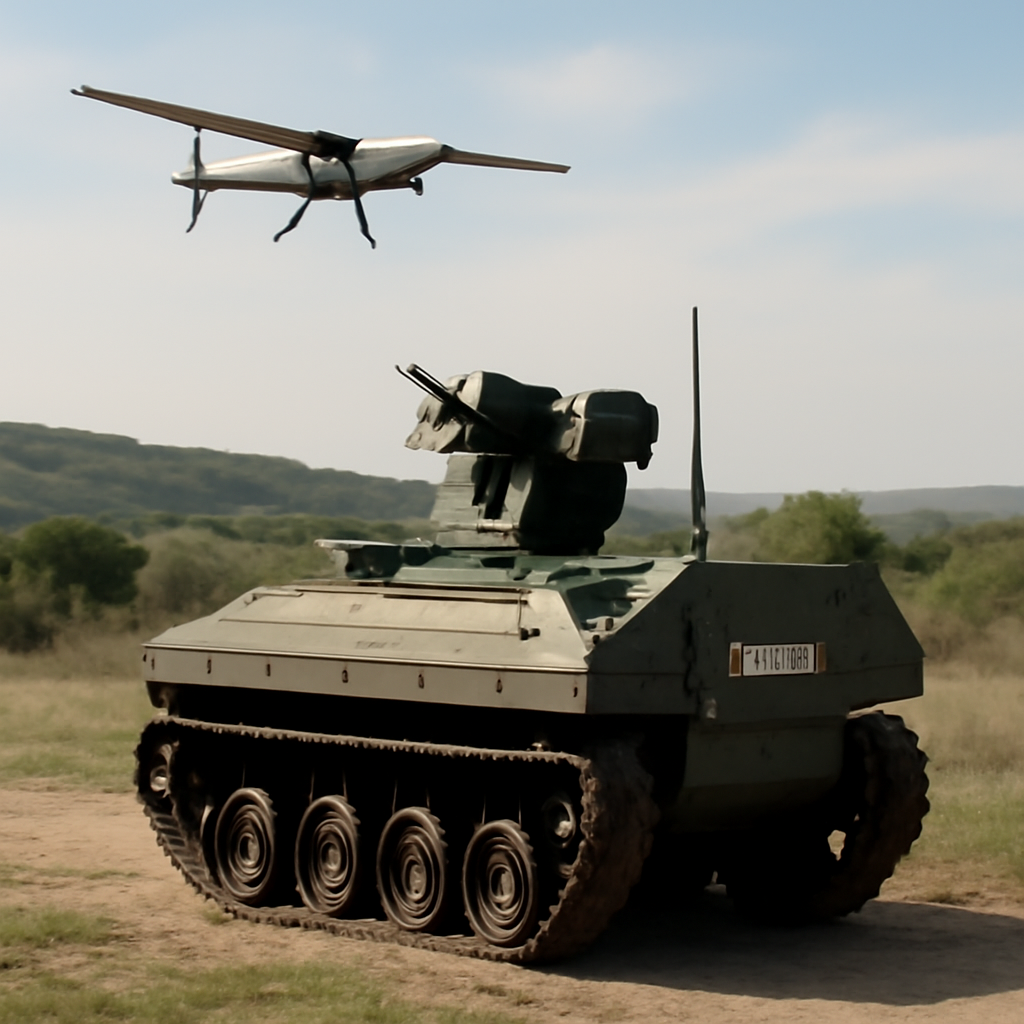
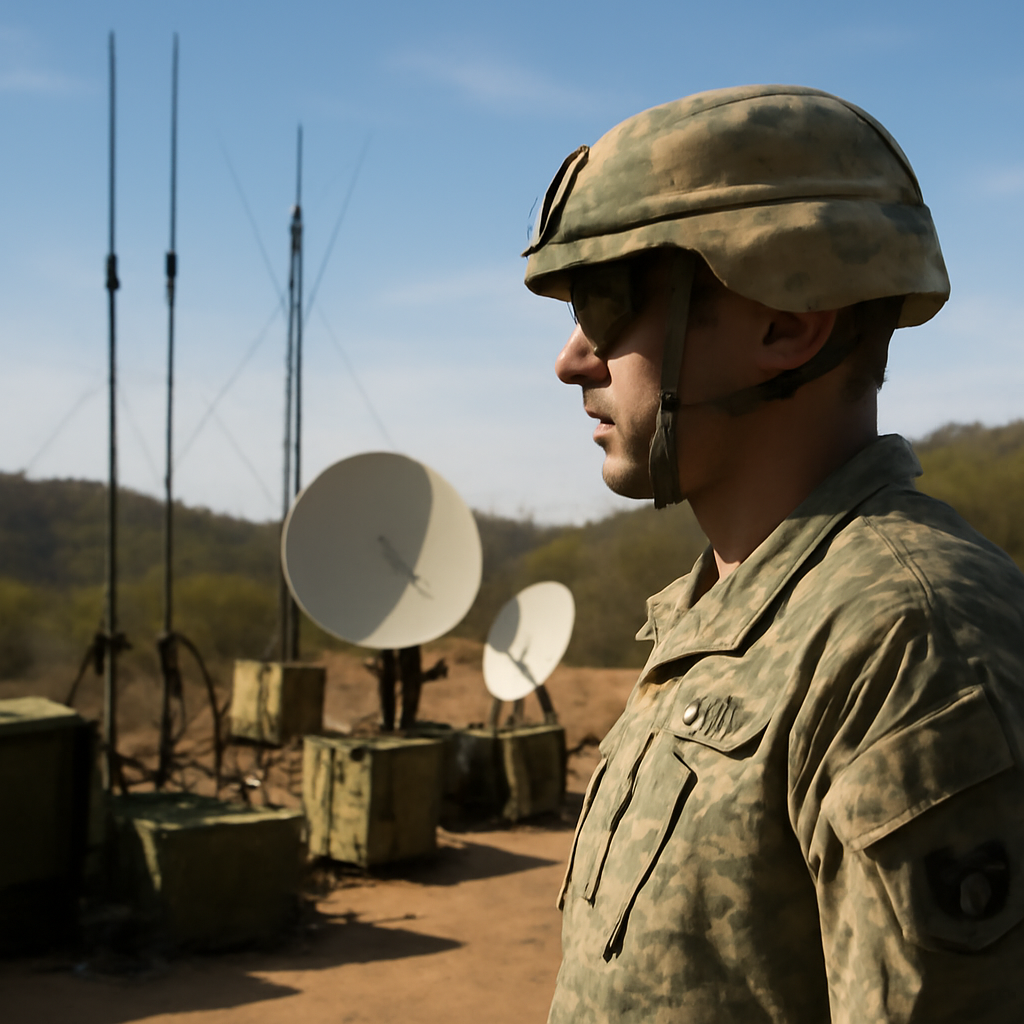
"We have already been pushing updates from here down to Central Command," Alex Miller, the Army's chief technology officer, told reporters — a succinct disclosure that confirms some of the Army's so-called "jailbroken" systems are already en route to the Middle East as part of an intense 30-day effort called Operation Jailbreak.
Operation Jailbreak: a 30-day sprint ending June 6
Operation Jailbreak began in early May and is scheduled to conclude on June 6. The sprint aims to "open up the interfaces of legacy and new equipment" so disparate systems can interoperate and share data. The Army describes "jailbreaking" here as reworking or removing manufacturer-imposed software restrictions on systems to allow integration across command and control, sensors, and effectors.
What has already been sent to CENTCOM and how it is intended to be used
According to Alex Miller, one of the first systems modified in the sprint was a command-and-control (C2) platform that can now tie in counter-UAS systems, radars, cameras, and effectors. Miller added that only "a couple of patches" have been sent to the region so far and clarified that, given a relative pause in fighting under Operation Epic Fury, none of the systems sent to the region have been used in an offensive capacity yet. The Army's stated goal remains to deliver the remainder of updates to CENTCOM within the 30-day window.

This site is the portfolio.
OSINTSights runs on Cloudflare Workers, D1, R2, and Vectorize, with an AI pipeline on Hetzner ARM. Nubivance designed, built, and operates it. We do the same for clients.
See what we buildOperational drivers: lessons from Ukraine and the Iran conflict
Secretary of the Army Dan Driscoll described a moment of revelation in Germany after observing a Ukrainian Delta command operating system, saying it highlighted how faster, simpler, and more integrated approaches benefited warfighters. "When I testify and talk about what we’ve learned from Ukraine, and their speed, and their flexibility, and their adaptability, fundamentally, what they’re doing is they’re doing a hackathon as a country every single day," Driscoll said, and added that the Army's effort is "our best attempt to mimic what they are doing so well." Driscoll also tied the urgency to the ongoing conflict with Iran, framing counter-UAS and Integrated Air and Missile Defense needs as accelerated by the regional situation.
Fort Carson, acquisition support, and the API marketplace
The hackathon is hosted at Fort Carson and focuses on fires systems, with hardware platforms provided by the Portfolio Acquisition Executive Fires. Capt. Brian Parker, logistics lead for Operation Jailbreak, said contractors are bringing industry equipment to Fort Carson to work integration pieces on site. The sprint has also produced an Application Programming Interface marketplace — characterized in the announcement as the first of its kind in the Department of Defense — intended to document and share interfaces to enable interoperability across systems.
What this means for technologists, CENTCOM, and contractors
- Technologists and security teams: The Army's effort centers on altering manufacturer restrictions and creating shared APIs to enable interoperability; developers and integrators will be responsible for documenting interfaces and fielding patches that merge sensors, radars, and effectors with C2 platforms.
- CENTCOM and soldiers in theater: CENTCOM is the immediate priority for receiving these patches; Army leaders have framed a 30-day delivery expectation and emphasized that the initial updates have not been used offensively amid a pause in fighting.
- Contractors and acquisition leaders: Portfolio Acquisition Executive Fires is supplying hardware platforms and contractors are onsite at Fort Carson to bring equipment and perform integration work, signaling a close collaboration between acquisition authorities and industry during the sprint.
Leaders framed the program as an attempt to create a repeatable process so that, in future fights, soldiers can quickly link previously incompatible systems. Alex Miller said the Army is already asking "what is the next sprint look like" and who should be included from the joint force and allies. Driscoll declared that failing to push most of these updates to CENTCOM within 30 days would be a failure, underscoring the tight timetable the Army has adopted.
The immediate facts are straightforward: a 30-day hackathon began in early May and ends June 6; a limited number of "jailbroken" patches have been pushed to CENTCOM; none of those patches have been used offensively amid a relative pause in fighting; Fort Carson is the locus of integration work; and an API marketplace has been created to document and share the new interfaces. The Army's next steps — completing the remaining pushes within the sprint, deciding participants for subsequent sprints, and testing the repeatability of the process under operational conditions — remain the concrete milestones to watch.