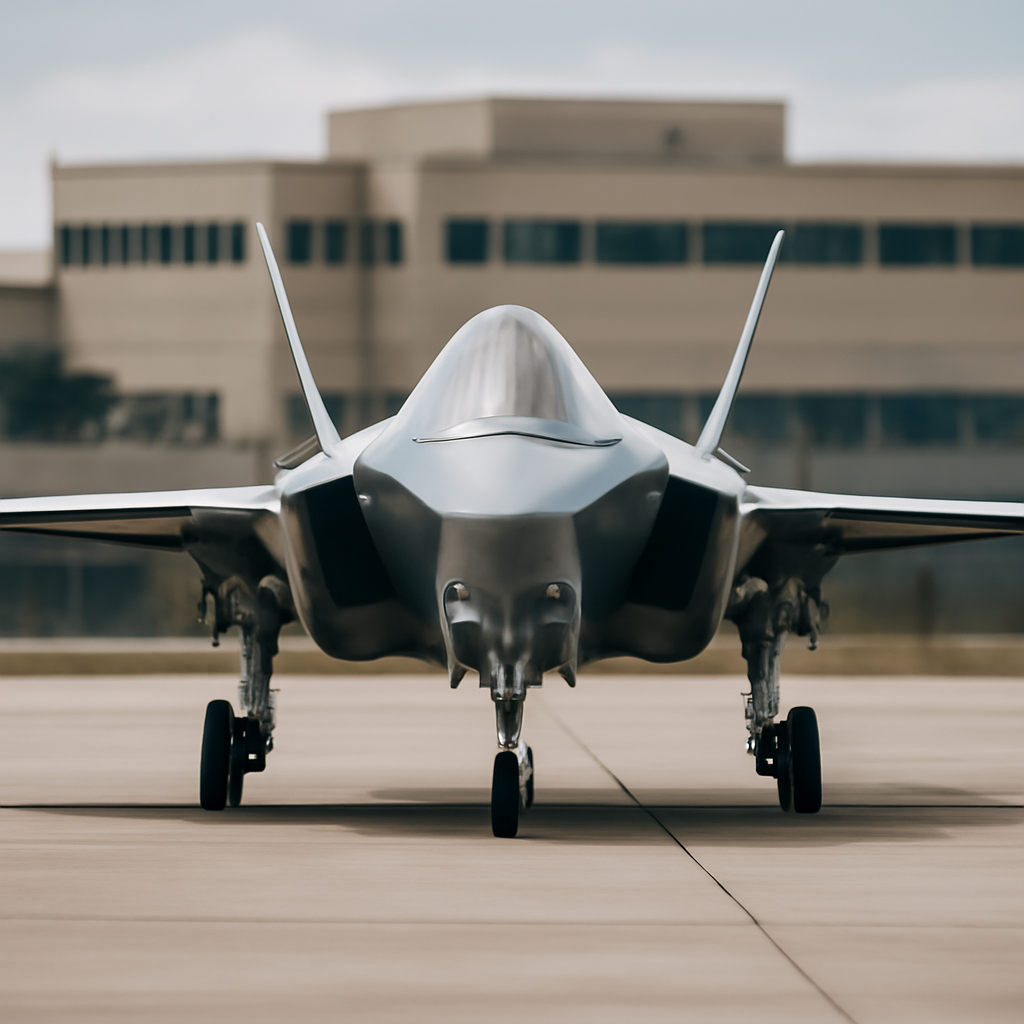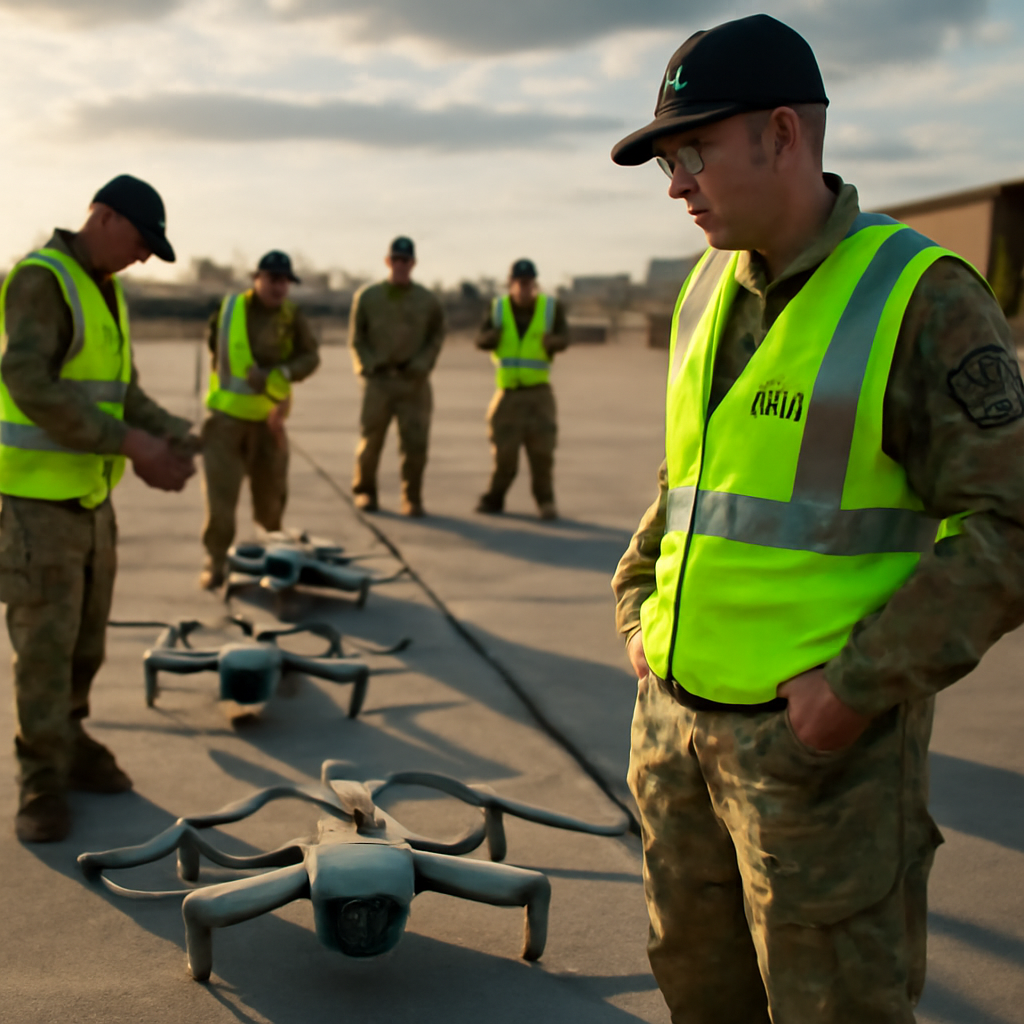
"We do have the volume to do that. A lot of that has been facilitated by [the Pentagon’s] Drone Dominance program," Col. Gregory Merkl, the Army’s Drone Dominance director, said, summarizing a shift the service is now confronting: hardware is arriving, but trained operators are not yet everywhere the Army needs them to be.
Col. Gregory Merkl: hardware is solved, training is the bottleneck
Col. Merkl told reporters that the service has reached sufficient numbers of small drones to equip units across the force, but remains short on trained personnel. "Where we still have some work to do, candidly, is getting everybody trained at the appropriate level," he said, and added that while the capability exists "in every platoon," the Army still needs to get "the qualified pilots down to the squad level." The emphasis is on moving from delivery to operational competence, particularly under contested conditions.
Drone Dominance gauntlets: deliveries, contracts and the next tranche
The Pentagon’s gauntlet-style competitions are the proximate cause of the hardware buildup. The Drone Dominance Leaderboard shows units have accepted 12,080 drones from Gauntlet 1. Breaking Defense previously reported that 11 companies have received deals to provide a total of 24,320 small drones through that first gauntlet.
Gauntlet 2 focused on long-range strike and tactical assault missions in confined environments. The department expects to order up to 60,000 platforms from that round, and the program announced nine winners from the second gauntlet out of the initial 19 participants. Merkl did note, however, that it is "unclear just how many drones the Pentagon has sent directly to Army units" beyond the leaderboard acceptance numbers.

Audit-ready is a season. It shouldn't be.
Evidence in spreadsheets, controls drifting between audits, frameworks multiplying on flat headcount. Nubivance runs continuous compliance on Rapid7 Cyber GRC - SOC 2, HIPAA, ISO 27001, PCI, CMMC.
End the scrambleTraining for a contested electromagnetic spectrum
Merkl said the Army's current training push centers on operating in a contested electromagnetic spectrum — environments where adversaries attempt to jam or otherwise disrupt drones and communications equipment. To address that, the service is "running a whole series of working groups" at the Army headquarters level and with interagency partners such as the Federal Aviation Administration so soldiers can better understand how to "safely use the spectrum."
The emphasis on the spectrum is not merely procedural. Merkl framed the task as comparable to basic soldier skills: troops must learn to "navigate the electromagnetic magnetic spectrum like they know how to navigate the terrain." He characterized progress at recent exercises as real but incomplete, saying "the troops made progress, Merkl said, but more results will come with continued training."
Saber Junction: allied practice and a unit in transition
Some of that training occurred abroad at the Saber Junction exercise in Germany. Merkl cited the 504th Parachute Infantry Regiment — described in the source as "a drone-focused unit that will soon go back to being a traditional infantry unit" — as an example of forces learning to operate under contested-spectrum conditions by working with Ukrainian and NATO counterparts.
At the end of the exercise, Merkl said the biggest lesson learned was the need for soldiers to internalize electromagnetic navigation as a routine skill. The experience with allied forces provided "understanding how to operate in a contested spectrum," but Merkl stressed the need for continued exercises and instruction to turn that understanding into squad-level competence.
What this means for soldiers, procurement leaders, and the FAA
- Soldiers: Expect increased emphasis on training that combines drone operations with contested-spectrum scenarios. Units that have received platforms will need qualified pilots at the squad level to exploit those systems effectively in realistic interference environments.
- Procurement leaders: The Gauntlet process has produced large delivery numbers (12,080 accepted from Gauntlet 1; contracts for 24,320 platforms from that gauntlet; a possible 60,000 from Gauntlet 2). The immediate challenge is to align fielding schedules with training pipelines so delivered platforms are operationally effective, not simply stockpiled.
- The Federal Aviation Administration (FAA) and interagency partners: The Army is running working groups with the FAA to teach soldiers how to "safely use the spectrum." Coordination between operational training and civilian spectrum management will shape how forces train and operate in congested or contested electromagnetic environments.
With the Defense Secretary’s 2025 Drone Dominance mandate — requiring every Army squad be outfitted with small, one-way attack drones by the end of fiscal 2026 — the program is now at an inflection point. Hardware availability, driven by gauntlet competitions, has largely been achieved, but the ticking calendar and the operational realities of contested-spectrum environments make the next phase a test of training systems, interagency coordination, and the Army’s ability to place qualified pilots at the squad level.