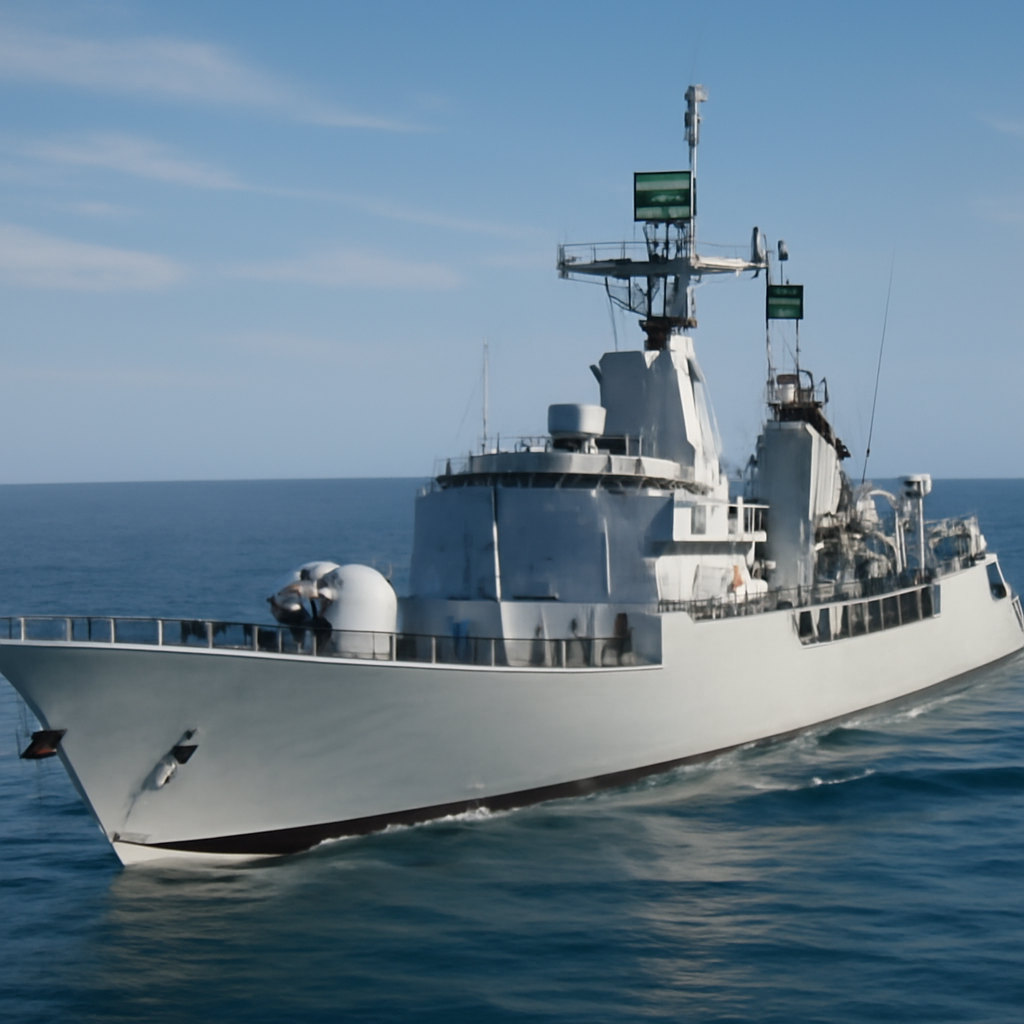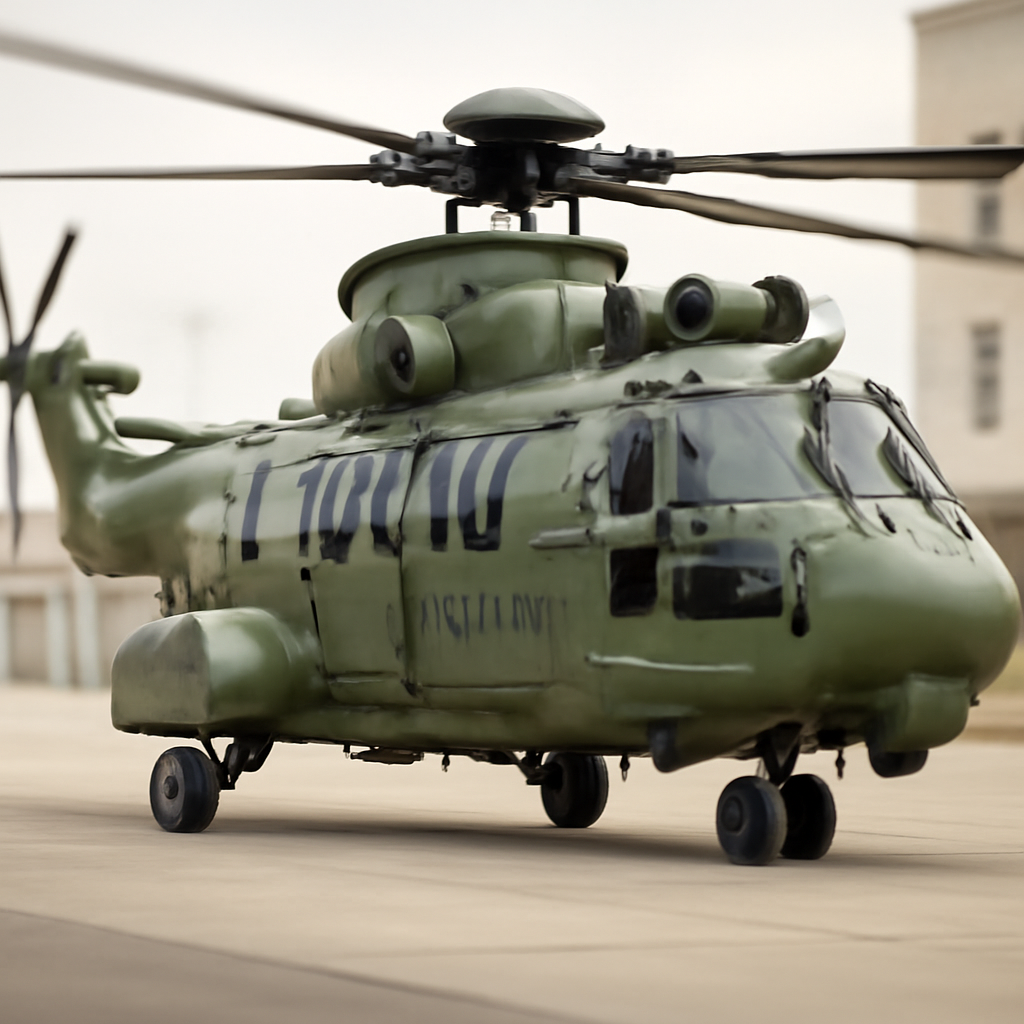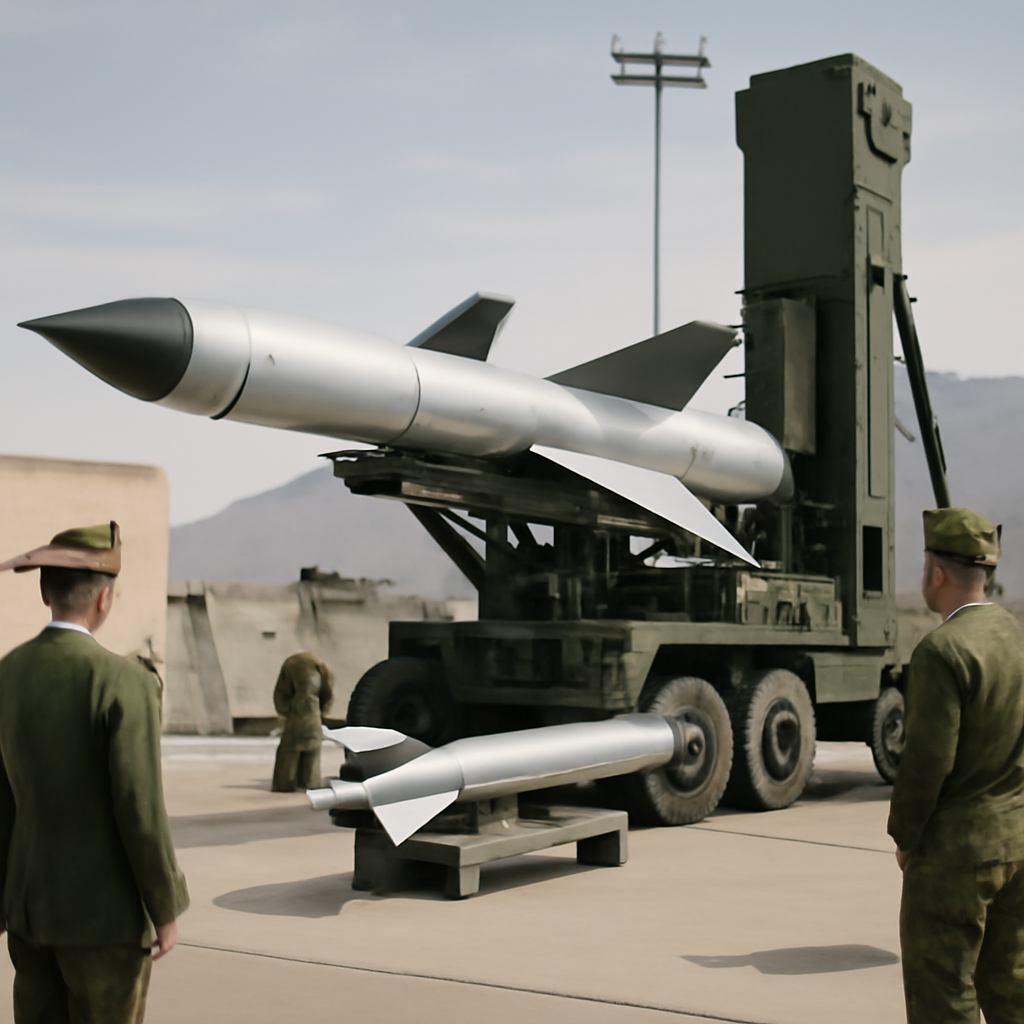
What is at stake is less a shortage of weapons than a shortage of shared language and procedures among the United States, Australia, Japan and South Korea — precisely as their conventional capabilities start to affect nuclear calculations in the Indo‑Pacific.
Nuclear–conventional entanglement in the Indo‑Pacific
Advanced conventional systems — precision‑strike missiles, cyber operations, space systems and anti‑submarine warfare — increasingly put an adversary’s nuclear forces at risk. Missile defences can blunt nuclear use. The resulting nuclear–conventional entanglement means that actions taken for conventional purposes can be read as attempts to undermine an opponent’s nuclear retaliation, creating unintended escalation pressures.
China’s forces are given in the source as an explicit case: shared infrastructure, command systems and dual‑use weapons such as the DF‑26 intermediate‑range ballistic missile link conventional and nuclear realms. At the same time, allied conventional upgrades in Canberra, Tokyo and Seoul could threaten those same Chinese nuclear forces during a crisis, turning routine or limited moves into signals with much higher stakes.
How allied actions can be misread — a Taiwan scenario
Consider the article’s concrete scenario of a Taiwan crisis. A limited Japanese strike on military infrastructure, a South Korean mobilisation of strategic conventional forces, or an Australian operation to track Chinese submarines might be intended as conventional pressure. From Beijing’s perspective, however, such measures could look like efforts to degrade nuclear forces — prompting pre‑emptive steps or rapid escalation.
Deployments, readiness changes, exercises and strikes all convey information about intent and resolve. The risk is compounded because allies do not always share concepts of deterrence, escalation or strategic stability; the same words can carry different meanings in different capitals.

This site is the portfolio.
OSINTSights runs on Cloudflare Workers, D1, R2, and Vectorize, with an AI pipeline on Hetzner ARM. Nubivance designed, built, and operates it. We do the same for clients.
See what we buildGaps in alliance coordination mechanisms
Current institutional arrangements remain largely bilateral. The US‑ROK Nuclear Consultative Group and the US‑Japan Extended Deterrence Dialogue provide channels for consultation, and Australia maintains its own strategic dialogue with Washington. But there is no mature multilateral framework that allows the United States, Japan, South Korea and Australia to collectively deliberate on how strategic non‑nuclear capabilities should be used — or not used — as signals in a major regional crisis.
The uncomfortable reality, as the source puts it, is that allies are becoming strategically consequential faster than they are becoming coordinated. That organisational gap, not a lack of missiles or submarines, is described as the most consequential shortfall facing the US alliance network.
Three practical priorities for crisis‑management coordination
- Expand tabletop exercises that focus explicitly on escalation management and signalling. Most alliance drills study how to win conflicts; far fewer explore how actions might be interpreted by adversaries or allied partners, and signalling begins well before hostilities are imminent.
- Broaden the remit of existing extended‑deterrence consultative mechanisms to include strategic non‑nuclear systems. Bodies set up for nuclear coordination should incorporate conventional capabilities that influence nuclear calculations.
- Develop a common vocabulary on strategic conventional capabilities and signalling. Agreeing definitions for terms such as “escalation,” “strategic stability” and “signalling” won’t erase differences, but it will reduce the chance that allies send contradictory messages during a crisis.
What this means for the United States, Australia, Japan, and South Korea
- The United States: Should use existing bilateral consultative bodies as platforms to integrate strategic conventional issues and to convene multilateral exercises focused on escalation control.
- Australia: Needs to consider how its tracking, maritime and strike capabilities might be read in Beijing, and to rehearse signalling that clarifies conventional intent without appearing to threaten nuclear forces.
- Japan: As it fields counter‑strike capabilities, should prioritise coordination on how limited strikes will be communicated and interpreted in a high‑stakes crisis.
- South Korea: With its Three‑Axis System integrating early warning, missile defence and retaliatory strike, Seoul must ensure its readiness changes and mobilisation signals are coherently explained to allies and potential adversaries.
The article’s research project, Nuclear‑Conventional Entanglement Risks: Australia and Allied Crisis Management Interoperability, is supported through the Strategic Policy Grants Program of the Australian Department of Defence; the authors note that “the views expressed here are personal.” The central prescription is organisational and procedural: before the next crisis, allies should invest in shared exercises, expanded consultative remits and a common deterrence vocabulary so that in war they do not send four different signals when unity matters most.