Okinawa Skies: A Tactical Display and Its Strategic Implications
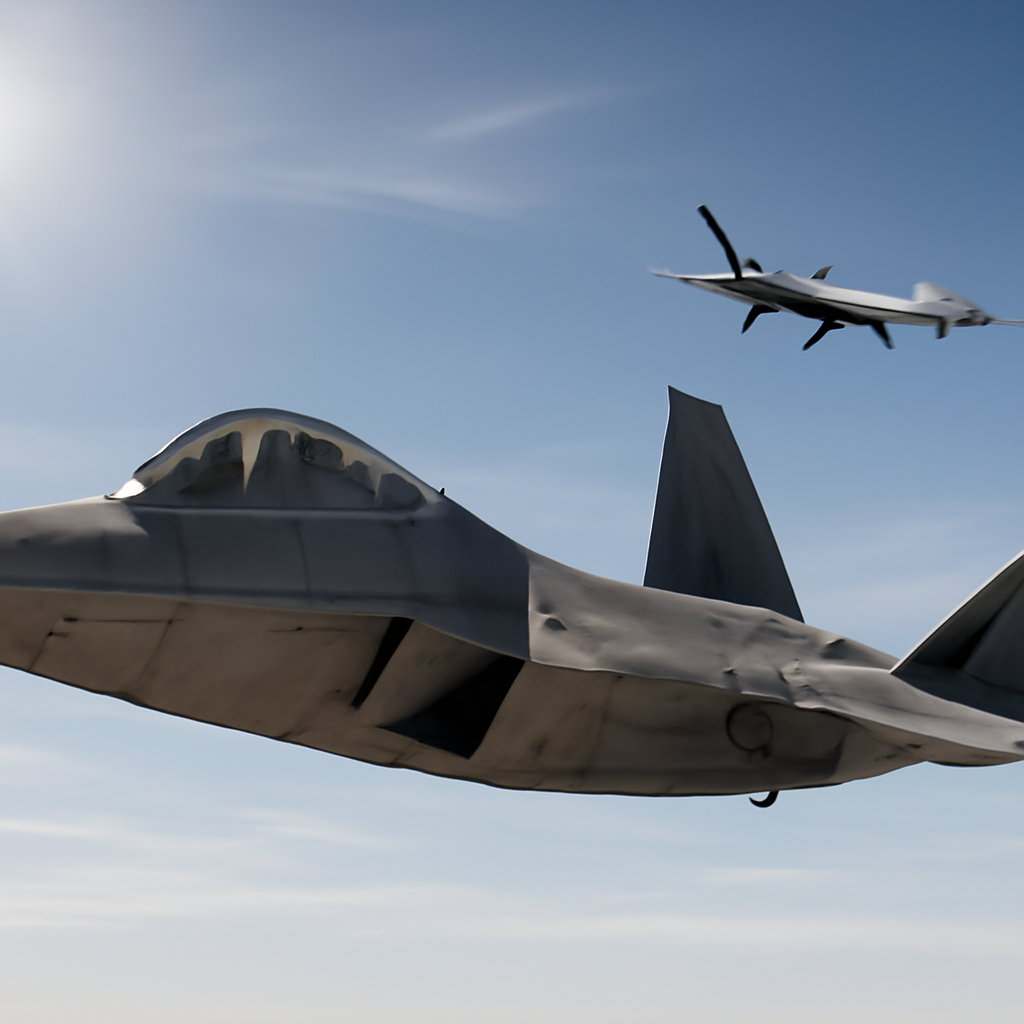
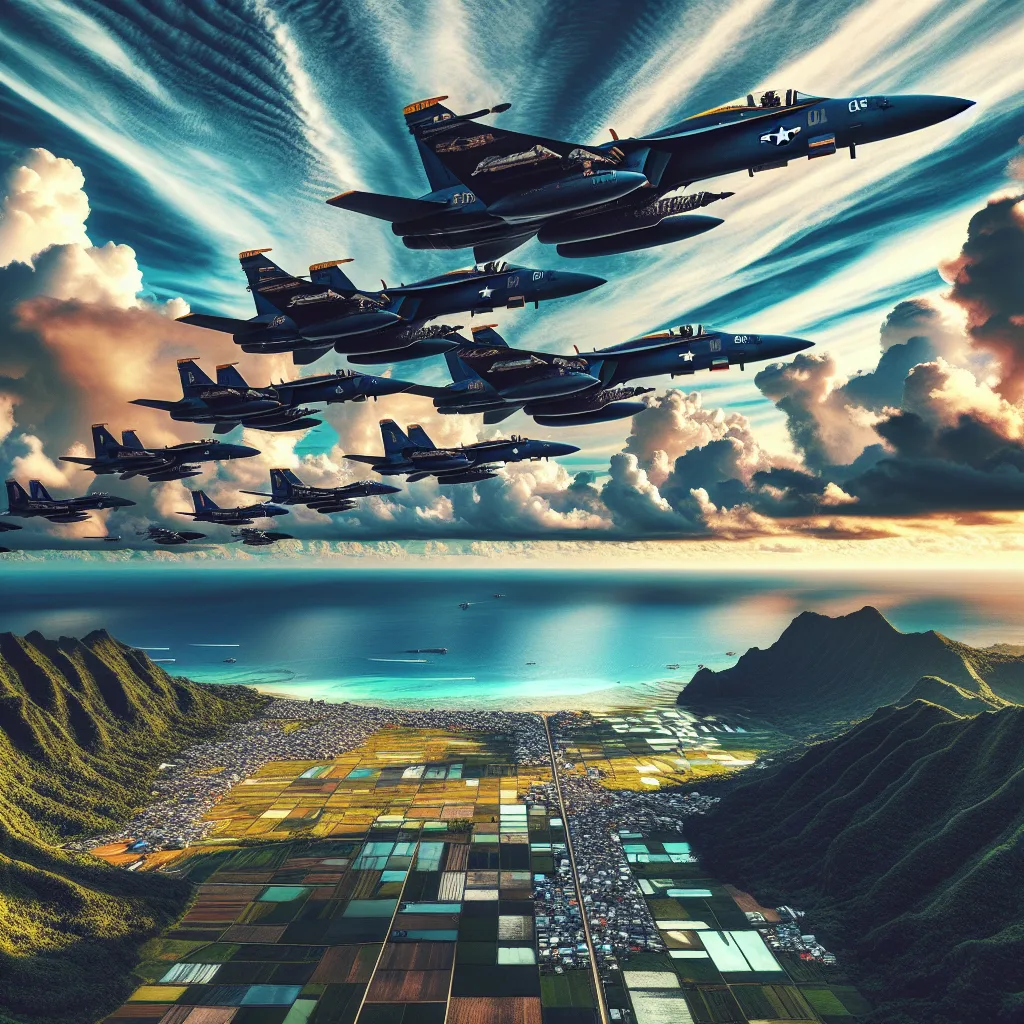
On May 6, 2025, the clear blue skies over Kadena Air Base in Okinawa Prefecture bore witness to a striking demonstration of aerial might—a meticulously organized formation known in military parlance as an “elephant walk.” More than a routine exercise, the event, orchestrated by the U.S. Air Force’s 18th Wing, served as a tangible reminder of American combat readiness and operational coordination in the Indo-Pacific. The formation, which included 24 F-35A Lightning IIs and eight F-15E Strike Fighters among other aircraft, certainly captured public and strategic attention alike, offering both a visual spectacle and a considerable message in the realm of defense strategy.
Military observers and analysts note that such displays are rarely without purpose. They often function as a dual-purpose tool: bolstering national morale while simultaneously sending a strategic signal to international rivals and regional partners. In this instance, the scale and precision of the formation underscore a strong commitment to safeguarding interests in a region that has experienced escalating tensions over the past few years.
Historically, Okinawa has stood as a pivotal hub for American forces in the Pacific. Following World War II, the island’s significance only grew as it became a forward base amid the Cold War’s intensifying dynamics. The presence of U.S. military assets on the island has also played a critical role in ensuring not only regional security but also the stability of alliances, particularly with Japan, a cornerstone partner in American strategic planning. The current formation exercise builds on this history by demonstrating the technical prowess and rapid deployment capabilities of some of the world’s most advanced fighter aircraft.
According to official U.S. Air Force statements, the formation exercise was designed to refine joint operations and highlight interoperability among various elements of the combat force. Each aircraft, from the stealthy F-35A Lightning II to the tactical F-15E Strike Fighter, is a product of significant technological advancement and decades of evolutionary design. Together, their combined display represents a commitment to maintaining a competitive edge in both technology and coordination.
Analysts at the Department of Defense have emphasized that these exercises are more than just demonstrations of aerial proficiency; they are reflections of the changing geopolitical environment. “The Indo-Pacific region continues to be an arena where strategic ambiguity is less acceptable,” noted retired Admiral Thomas Fargo, a recognized defense strategist whose recorded public briefings at various forums have underscored the evolving challenges in the region. “Displays like these are meant not only to deter potential adversaries but also to reassure allies of our presence and our readiness to respond swiftly if needed.”
In terms of policy and strategy, the enhanced emphasis on joint coordination among various combat units speaks directly to modern warfare’s evolving nature. The integration of advanced avionics, stealth technology, and networked command systems underscores a keen understanding that modern conflicts may no longer be confined to traditional battlegrounds. Instead, preparedness now must encompass cyber, logistical, and electronic warfare dimensions—factors that require seamless coordination and robust planning.
This latest maneuver has prompted conversations among military experts about where such demonstrations fit within the larger framework of U.S. defense strategy. On one hand, they provide a robust signal of deterrence to nations with pressing territorial ambitions in the East and South China Seas. On the other, these displays function as a testbed for emerging operational concepts, ensuring that rapid migrations from training to active deployment remain seamless.
For military personnel stationed in Okinawa, such operations are a daily reality—one that is as much about tactical training as it is about keeping the human spirit resilient. Local life, often intertwined with the thriving presence of U.S. forces, echoes with the rhythms of both celebration and concern. Okinawan communities, which have historically had a complicated relationship with the U.S. military presence, view these events through a multifaceted lens: as symbols of both security and disruption. This dual perspective is especially important to understand because it highlights the complex interplay between national security policy and the lived experiences of local residents.
The questions that many now ponder are not solely about aerial maneuvers but also about the broader, strategic calculus. Is this formation part of a larger initiative to recalibrate U.S. military posture in the Pacific? Will such displays prompt adversaries to alter their tactics? And how might local communities in Okinawa be affected in the long run by the persistent presence of these formidable aircraft?
Expert military analysts warn against simplistic interpretations of these formations. “While the imagery of dozens of fighter jets lined up is compelling, the operational nuances behind such exercises are far more complex,” explains Colonel James R. Anderson (Ret.), a former air combat commander whose insights have been featured in reputable defense analyses. “The underlying goals include not only deterrence and readiness but also the critical testing of communication networks and tactical coordination. These aspects are as vital to the overall defense strategy as the physical presence of aircraft.”
Beyond pure military tactics, the event has broader implications for U.S.-Japan defense cooperation. Japan’s own military modernization programs and public calls for greater defense autonomy are informed by both internal debates and the visible displays of U.S. power. In recent years, Japanese policymakers have reiterated the importance of the U.S.-Japan security alliance, especially in light of rising regional challenges. The Okinawa display, therefore, plays into a larger narrative of mutual defense and technological collaboration.
This concerted display also aligns with recent trends in multi-domain operations, a concept emphasized in recent white papers by the U.S. Indo-Pacific Command. These documents stress that future conflicts will likely require rapid, flexible responses that span air, sea, land, cyber, and space domains. In such an environment, strategic demonstrations are not merely parades; they are practical rehearsals for potential multi-faceted conflicts.
An interesting facet of this maneuver is its timing. With global focus increasingly shifting to the ramifications of renewed great power competition, every calculated move by U.S. forces becomes a chapter in the unfolding narrative of 21st-century security. Stakeholders, ranging from policymakers in Washington to defense planners in Tokyo, are closely monitoring these exercises as part of a broader assessment of regional stability. The clear-eyed philosophy here is one of deterrence through strength—a doctrine that has defined U.S. military engagements for decades.
Some may recall that the “elephant walk” formation has historical roots in earlier military exercises designed to foster unit cohesion and normalize rapid deployment protocols. Over time, the modern rendition of the maneuver has evolved to integrate cutting-edge technology. For instance, modern fighter jets are connected in real-time via secure communication networks, ensuring that the precision of the formation is matched by the informational connectivity underpinning it. This capability is essential for modern combat operations, where split-second decisions can have far-reaching implications on the ground and in cyberspace.
Looking ahead, defense analysts suggest that such high-profile exercises may be a sign of things to come in an era of increased unpredictability. While the current display is rooted in technical prowess and operational readiness, it also communicates a pivotal message: readiness is not static, and adjustments in global military posture are continual. In this context, observers are likely to watch for shifts in deployment patterns, enhancements to joint operational protocols, and refinements in multi-domain integration strategies.
Moreover, the ramifications for local communities and international partners are significant. Regions in the Indo-Pacific continue to witness evolving alliances and the recalibration of defense commitments. The visible projection of air power in Okinawa reaffirms the U.S. commitment to its allies while posing pertinent questions about the future of regional diplomacy. How might neighboring countries, both allies and potential adversaries alike, recalibrate their own defense strategies in response? And what might be the socio-political impact on the citizens living in the shadow of such military prominence?
As discussions of strategy, technology, and regional alliances continue to unfold, one point remains clear: the human element is never far removed from these military displays. For the young airmen and women proudly operating these advanced machines, the training and discipline instilled by such exercises carry a broader significance—not just as a means of defense but as an embodiment of national honor and service. In the words of General Charles Q. Brown Jr. in prior public addresses, the focus has always been on “maintaining a strategic advantage while protecting the values we hold dear.”
What, then, is the lesson of the Okinawa airborne exhibition? It is a powerful reminder that watching the skies can offer insights into today’s intricate tapestry of technological progress, geopolitical strategy, and human commitment. As these military formations trace precise patterns across the vast blue, they reflect the tangible presence of a nation determined to navigate an increasingly complex world—a world where every display of strength is underscored by a commitment to peace, deterrence, and the protection of democratic values.
As the international community continues to grapple with rapid shifts in global power dynamics, the Okinawa display invites reflection. It poses an enduring question: in a landscape marked by both technological marvels and human fallibility, can the balance of strength and diplomacy pave the way to a future of lasting stability? Only time, and the measured steps of nations, will tell.