“The agreement we reached with the Air Force does allow them to consider accelerating production into a larger program of record, and we are working with them in that analysis,” Northrop Grumman CEO Kathy Warden said.
Northrop Grumman’s production ramp-up and what it permits
The February production agreement announced between Northrop Grumman and the U.S. Air Force includes a 25 percent boost in annual B-21 production capacity. Company leaders now say the contract was structured not only to speed initial fielding, but explicitly to allow the Air Force to “consider accelerating production into a larger program of record,” according to Kathy Warden. Northrop Grumman’s CFO John Greene described the program as having “good execution throughout the years,” a factor the company says supports overall program profitability.
Air Force reassessment of the program of record
When the deal was first made public, the Air Force described it primarily as a tool to accelerate delivery of the first operational B-21s and said the long-stated plan for a fleet of 100 aircraft remained unchanged. Since then, however, the Air Force has separately confirmed that it is reassessing the objective Raider fleet size. Lt. Gen. David Tabor, the Air Force Deputy Chief of Staff for Plans and Programs, told the House Armed Services Committee in May that the planned fleet size is “in the process of sharpening our pencils” and that by the time the Fiscal Year 2028 budget is prepared the service expects “a better answer, much more precise answer, and show you our homework.”

Audit-ready is a season. It shouldn't be.
Evidence in spreadsheets, controls drifting between audits, frameworks multiplying on flat headcount. Nubivance runs continuous compliance on Rapid7 Cyber GRC - SOC 2, HIPAA, ISO 27001, PCI, CMMC.
End the scrambleProduction capacity, classification, and timing
While Northrop and the Air Force have described a clear ramp in capacity, many program details remain classified. The precise Raider production rate is secret, and an Air Force official told TWZ in February that any revised fleet number is expected to be classified. Public reporting has previously suggested Northrop Grumman could produce as many as eight B-21s per year; the company and the service continue to treat rate and total fleet-size decisions as sensitive. Warden told investors she expects the Air Force to reach a conclusion on any larger program of record by year-end, a timing that aligns with the lead times in the Pentagon’s budget planning process.
Operational context: how the B-21 fits the bomber force
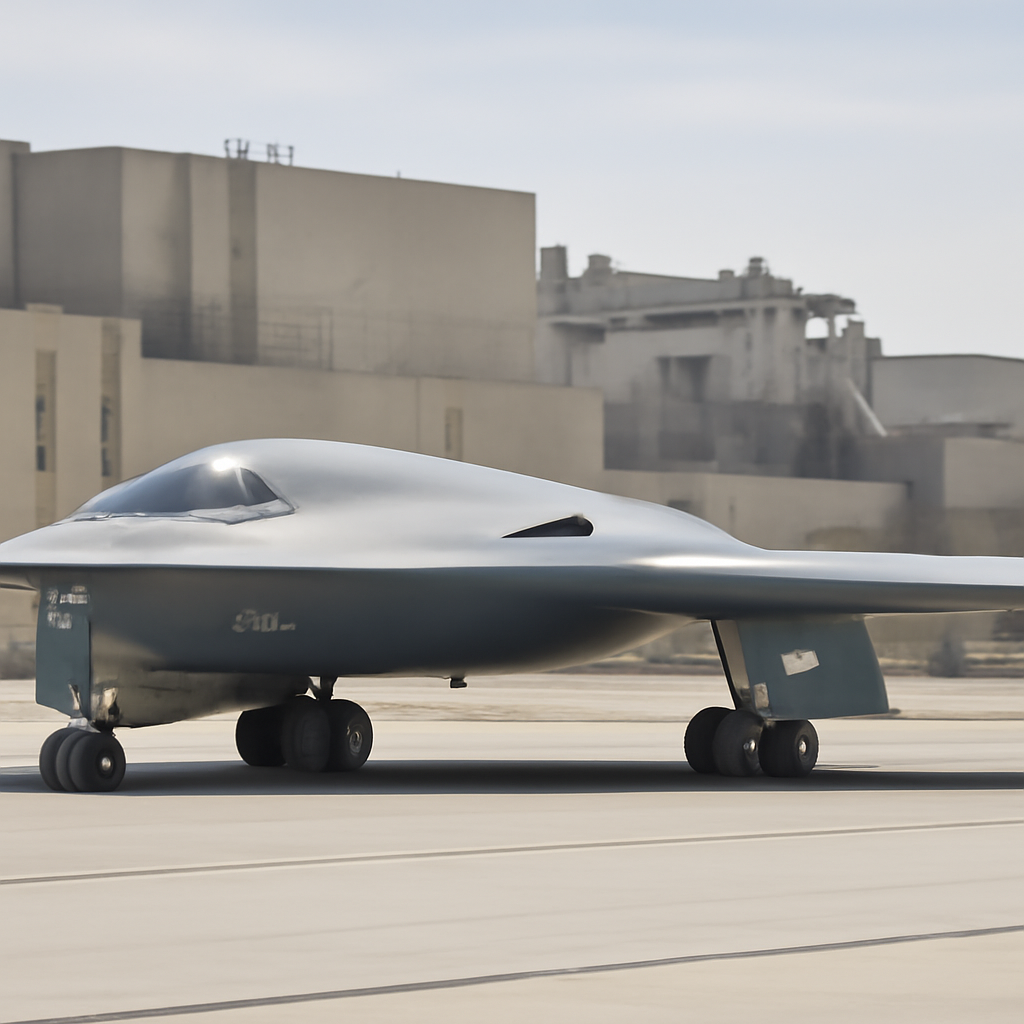
The B-21 is being positioned as a smaller but longer‑range successor to the B-2, offering “extreme range and other substantially improved capabilities” compared with that predecessor. The Air Force and members of Congress have described the B-21 program as a model acquisition effort that has stayed within cost and schedule targets despite hurdles during development. The Raiders are slated to replace the B-1B swing-wing bombers; there are only 19 B-2s still in service. The long-serving B-52 will continue to fly “through at least 2050” and is undergoing a suite of upgrades including new engines and radars, though those upgrade efforts “have been delays.” The Air Force recently set the bomber’s operational crew complement at two pilots, and the service expects the B-21 to begin fielding next year, with deliveries continuing for years thereafter—especially if the program of record grows beyond 100 aircraft.
What this means for the Air Force, Northrop Grumman, and Congress
- Air Force planners: a formal review of the program of record is underway; they expect to provide a more precise fleet-size answer in time for the FY‑28 budget and may classify the revised figure.
- Northrop Grumman executives and investors: leadership frames the ramp as both a near-term enabler of initial fielding and as an option to expand the program, with company officials saying good execution has supported profitability and that they are “working with [the Air Force] in that analysis.”
- Congress and oversight: members have publicly signaled interest in a larger fleet—Secretary Pete Hegseth told the Senate Armed Services Committee in April he saw a need for “a lot more” B-21s—while hearings and budget reviews will be the venues to probe cost, schedule, and fleet-size implications.
The narrow facts are straightforward: the production agreement increases annual capacity by 25 percent and was written to permit, but not require, a larger program of record. The schedule for a final determination is now tied to the Air Force’s budget-planning cadence, with Northrop Grumman expecting a decision by year-end and the service projecting a firmer answer with the Fiscal Year 2028 budget. Whether the eventual number will remain classified, how rapidly deliveries will follow, and how a larger fleet would alter long-term bomber force structure are the specific questions that will be resolved in the coming budget cycle and oversight reviews.