Mobilizing Resolve: How Ukraine’s Motorized Maneuvers Reshape the Battlefield
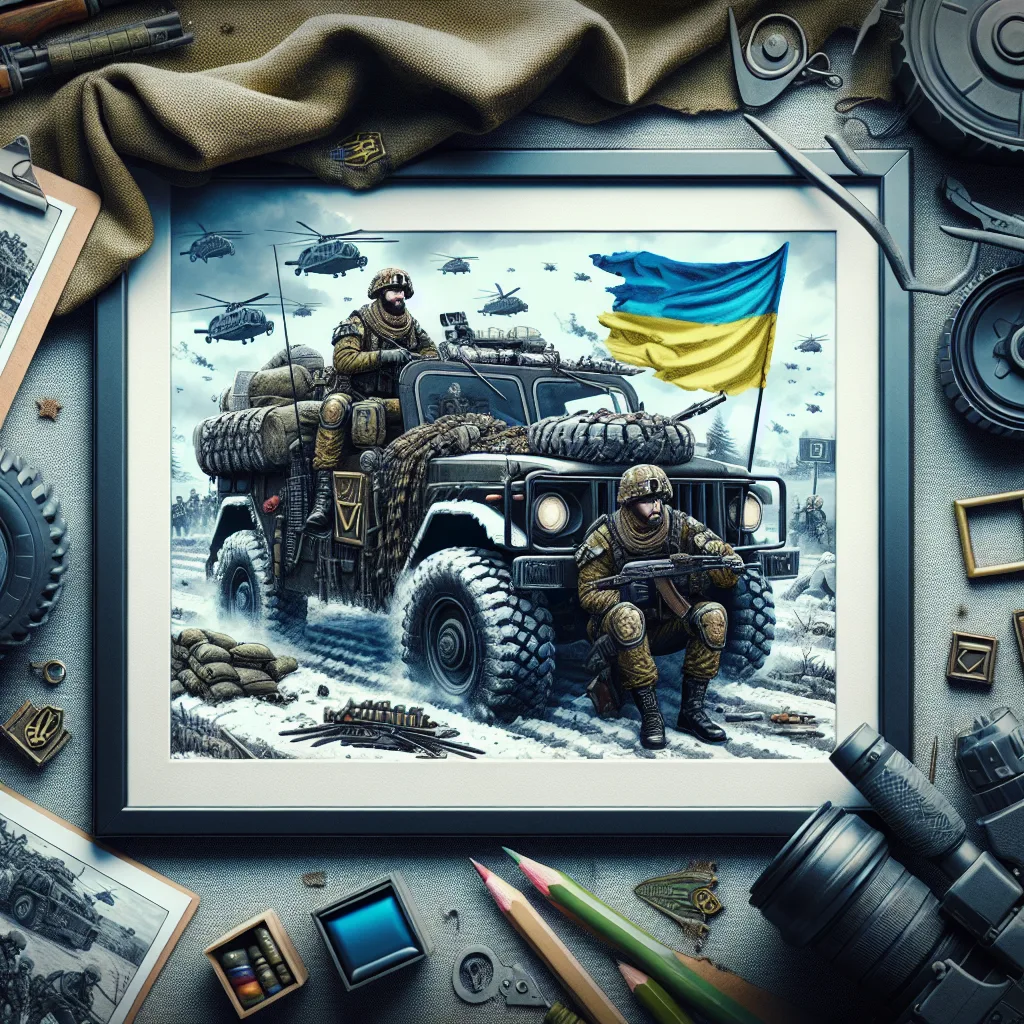
As combat operations intensify along Ukraine’s eastern front, military strategists say that a return to mobility may be as crucial as high-tech weaponry in today’s conflict against Russian forces. Amid the shifting landscape of modern warfare, Ukrainian forces are increasingly relying on motorized vehicles—not traditional armored tanks, but nimble platforms that provide critical logistical support and rapid movement for infantry units.
General Vladyslav Klochkov, a senior figure in Ukraine’s military leadership, has emphasized that “motorized vehicles, although not armored, are indispensable in sustaining our operational effectiveness under increasingly challenging battlefield conditions.” This development reflects a broader trend within Ukraine’s defense strategy: leveraging speed, maneuverability, and innovation to overcome the constraints imposed by limited resources and an unpredictable theater of war.
Historically, Ukraine’s military doctrine acknowledged that mobility is the lifeblood of effective ground operations. With lessons learned from previous conflicts and recent confrontations with Russian forces, Ukrainian leaders have methodically shifted their operational focus. Motorized vehicles—ranging from modified civilian trucks to purpose-built military transports—enable infantry to traverse rough terrain, quickly reposition in response to enemy movements, and maintain supply lines crucial for prolonged engagements. This transformation of conventional forces, built on a combination of tactical ingenuity and strategic necessity, underscores an adaptive approach in the face of a rapidly evolving conflict.
Recent efforts on the front lines illustrate a clear operational pivot. Ukrainian units have intensified their use of motorized platforms to bridge gaps in armored availability and rapidly deploy troops across contested zones. These vehicles are not heavily armored, which leaves them susceptible to enemy fire; however, their speed and versatility allow commanders to execute hit-and-run tactics and avoid prolonged exposure. The dynamic environment demands that every asset on the battlefield offers value beyond brute force, and mobility, as it turns out, is a prized commodity in today’s warfare.
Military analysts from institutions like the Atlantic Council and the International Institute for Strategic Studies have noted that Ukraine’s strategic embrace of motorized vehicles is in stark contrast to more static battleground approaches often seen in earlier conflicts. They identify several key advantages:
- Enhanced Rapid Response: The ability to relocate swiftly allows Ukrainian units to exploit fleeting vulnerabilities in enemy lines.
- Operational Flexibility: With a focus on mobility, commanders can adapt quickly to changing combat scenarios, minimizing the inherent risks associated with static defenses.
- Logistical Prowess: Motorized vehicles serve not only as troop carriers but also as essential logistics conduits, ensuring that front-line units remain supplied amid harsh conditions.
While the advantages are clear, the reliance on motorized vehicles introduces new layers of vulnerability. Unlike heavily reinforced armored units, these vehicles are exposed during transit, making them easier targets for anti-vehicle weaponry and ambush tactics. Ukrainian military officials are aware of this precarious balance. The strategy, therefore, involves operating under strict tactical protocols that emphasize speed, surprise, and evasion—a calculated risk designed to outmaneuver a technologically superior opponent.
Experts on modern military logistics, including Colonel John Kirby of the U.S. Department of Defense, underscore the importance of ensuring that mobility does not compromise security. “There is always a trade-off between speed and protection,” Kirby has remarked in previous statements regarding comparable military operations. Though his comments were in the context of broader defense innovation, they resonate in Ukraine’s current strategy: a candid acknowledgment that no single measure can provide comprehensive security on its own. In this context, Ukraine’s motorized vehicles are part of a larger tapestry of tactical adaptations that include electronic warfare tools, reconnaissance drones, and decentralized command structures.
International observers and policymakers are carefully monitoring these developments. For defense contractors and military engineers, Ukraine’s pivot highlights potential future areas of investment in hybrid vehicles that combine mobility with improved protection. Analysts from the European Centre for Security Studies have noted that the conflict is accelerating research and development into innovative vehicle platforms that could very well serve as models for post-conflict military modernization across Europe.
In addition to the military ramifications, the human element remains paramount. For the soldiers operating these vehicles, the shift to a more mobile style of warfare is both a challenge and an opportunity. The demands on military personnel have evolved: they must be proficient not only in combat but also in rapid logistical coordination and dynamic battlefield navigation. This dual role has added layers of complexity to training regimes, incorporating lessons from past conflicts alongside the latest in tactical innovation.
Observers note that while the move toward motorized operations is strategic, it is reflective of a deeper resourcefulness shaped by necessity. Ukraine has faced longstanding challenges in modernizing its military structure and securing adequate defense funding. The creative repurposing of its available assets has therefore become a stopgap measure—a testament to a military force determined to evolve despite limitations and external pressures.
Looking forward, the evolution of Ukrainian motorized operations is likely to have broader strategic implications. If these approaches prove successful in maintaining operational momentum against well-entrenched opponents, they could redefine modern battlefield conventions. In response, adversaries may seek to develop countermeasures specifically designed to exploit the vulnerabilities of lighter, faster vehicles. Furthermore, sustained operational success on Ukraine’s part could encourage other nations facing similar resource constraints to adopt hybrid strategies that emphasize agility over heavy armor.
As geopolitical tensions persist and the nature of warfare continues to shift, the integration of motorized mobility into Ukraine’s defensive posture offers a microcosm of modern military innovation. The success of such a strategy hinges not only on technology and tactical acumen, but also on the resolve and adaptability of the human operators who bring these vehicles to life on the front lines.
In reflecting on these developments, one is reminded of the enduring principles of warfare: adaptability, resilience, and the unyielding drive to overcome adversity. Ukrainian forces, pressed by the exigencies of modern conflict, appear resolute in transforming a fleet of basic vehicles into a lifeline for their combat units. It remains to be seen how this tactical gambit will influence the larger strategic balance in Europe—and, indeed, the future of military innovation in an era defined by rapid change.
As the conflict continues and the global community watches with bated breath, the story of Ukraine’s battle for mobility serves as a poignant reminder: in war, as in life, sometimes the simplest solutions—when executed with precision and dedication—can redefine the contours of engagement and ultimately tip the scales of victory.