Ukrainian Drones Make Striking Inroads: A New Offensive in Crimea
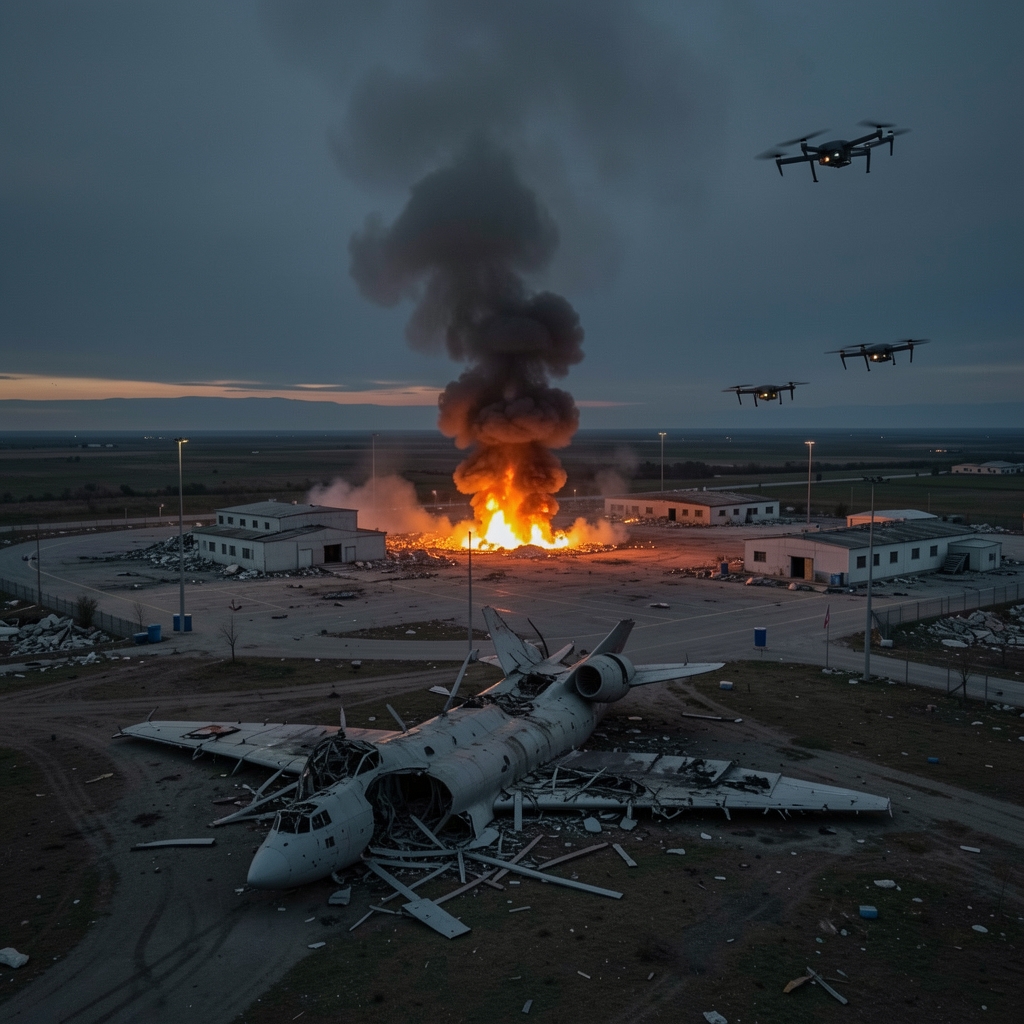
In a dramatic escalation of the conflict, Ukrainian drones launched an audacious strike on the Russian military airbase at Kirovske in eastern Crimea, targeting key assets including ammunition depots and air defense positions. The attack, which occurred around 3 a.m., has raised questions about the shifting dynamics of military power in the region. How will this bold move alter the landscape of an already volatile conflict?
Historically, Crimea has been a flashpoint since Russia’s annexation in 2014, which was widely condemned by international observers. The peninsula’s strategic significance cannot be overstated—it serves as a vital military hub for Russian operations in Ukraine and beyond. Over the years, Crimea has hosted numerous military installations that reinforce Moscow’s grip on the Black Sea. The recent escalation points to an evolution in Ukrainian tactics as Kyiv seeks to reclaim lost ground and disrupt Russian operations.
As reported by the Militarnyi news outlet and corroborated by the Crimean monitoring group Krymskyi Veter, this latest operation not only targeted aircraft parking areas but also aimed to diminish Russia’s logistical capabilities on the peninsula. Eyewitness accounts indicate that multiple explosions were observed, highlighting what appears to be a coordinated and well-planned operation.
The implications of this strike are profound. For Ukraine, successfully striking targets deep within occupied territory boosts morale and signals resilience against Russian aggression. From a military standpoint, it may compel Russia to reallocate resources and heighten air defenses, thereby stretching its operational capacities thin. For the international community observing from afar, these developments could influence diplomatic stances and aid packages directed towards Ukraine.
Experts suggest that such operations are part of a broader strategy employed by Ukraine to undermine Russian supply lines and operational capabilities. As Dr. Olga Oliker of the International Crisis Group notes, “Strikes like these indicate a shift toward more aggressive tactics by Ukraine aimed at destabilizing enemy logistics.” This perspective underscores how modern warfare is evolving; no longer confined to traditional battlefields but extending into psychological and economic realms as well.
As we assess what lies ahead, several factors will influence future engagements: geopolitical responses from major players like NATO and the United States; potential escalations from Russia; and evolving public sentiment both domestically within Ukraine and among global audiences regarding ongoing support for Ukrainian sovereignty.
The question remains: can Ukraine continue its momentum amid escalating risks? As it stands, each drone strike carries with it not just tactical gains but also strategic repercussions that could redefine alliances and enemy tactics alike. At stake is not only territorial integrity but also the very future of conflict resolution in Eastern Europe.