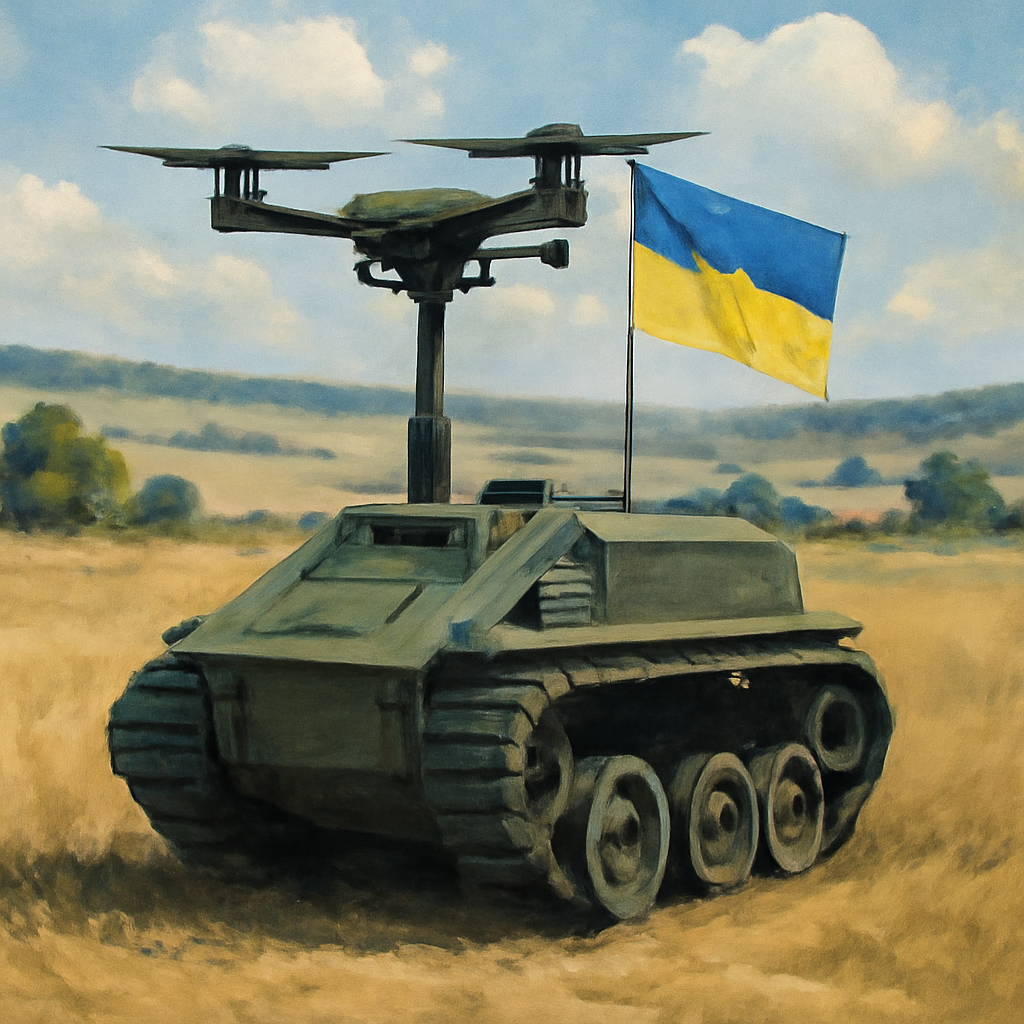
“Some four and a half years after confidently launching his invasion, Russian President Vladimir Putin has dwindling military options.”
Spring–summer 2026: the narrative shifts
In the spring and summer of 2026, the dominant story about Russia’s war in Ukraine changed. A new short documentary, produced by Science & Tech editor Patrick Tucker, frames that change as a decisive pivot: defenders are no longer primarily described as absorbing blows and buying time with people; they are re-taking ground using robots, autonomy, and coordinated swarms of unmanned systems. The film gathers voices from analysts, entrepreneurs, European experts, and NATO military officials to explain how the battlefield picture has been altered.
Combining air and ground drones, autonomy, and swarming
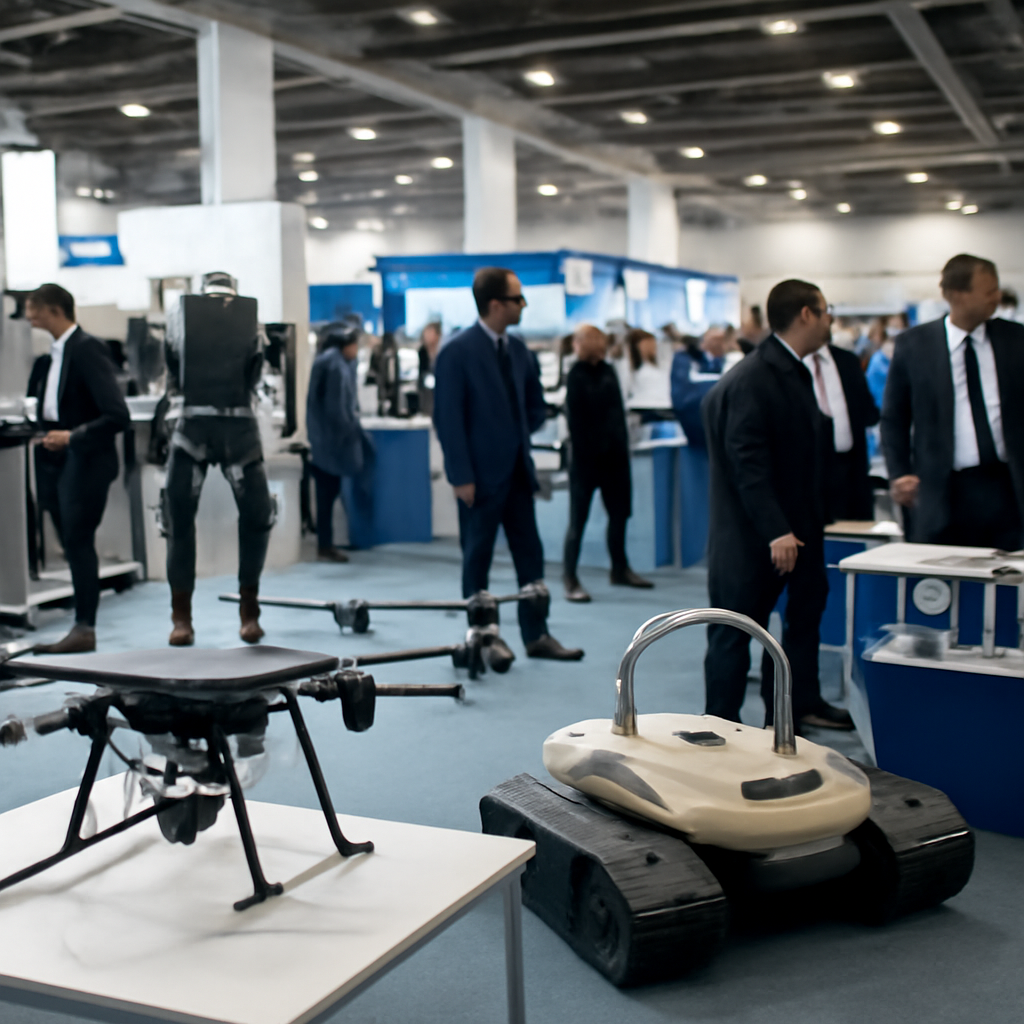
The documentary describes a specific tactical blend: air and ground drones working together, supplemented by autonomy and swarming techniques. According to the participants Tucker assembled, this combination has allowed Ukrainian forces to press forward where earlier expectations held that territory would be contested mainly through human-led maneuvers. The use of these modalities is presented not as isolated experiments but as an integrated approach to regain ground.

This site is the portfolio.
OSINTSights runs on Cloudflare Workers, D1, R2, and Vectorize, with an AI pipeline on Hetzner ARM. Nubivance designed, built, and operates it. We do the same for clients.
See what we buildRobots to re-capture territory while risking fewer humans
Central to the account is a clear cause-and-effect presented by the film’s contributors: by using robots and unmanned systems in coordinated roles, defenders have been able to re-capture territory while exposing fewer human soldiers to front-line danger. The documentary frames that operational shift as producing two linked outcomes on the battlefield: Ukrainian forces reduce their own exposure, and the opposing side suffers higher casualties.
Increasing casualties for Russia, decreasing for Ukrainian forces
The narrative in the video is explicit about the asymmetric effect. The defenders’ robot-led operations are described as increasing casualties for Russia while decreasing them for Ukrainian forces. The documentary’s shorthand for this dynamic is stark: autonomy and swarming are not merely force multipliers in the technical sense, they are reshaping who takes the risk in engagements and, by extension, which side can sustain offensive action to retake terrain.
Who spoke: analysts, entrepreneurs, European experts, and NATO military officials
The film assembles four categories of witnesses: analysts, entrepreneurs, European experts, and NATO military officials. Together those voices argue that Ukraine “defied expectations” and, in doing so, changed the future direction of military technology—and of war itself. That claim is presented as more than rhetoric in the documentary; it is the explanatory thread that ties battlefield observations to broader technological and doctrinal consequences.
How NATO military officials, European experts, and entrepreneurs are responding
- NATO military officials: In the documentary, their role is to interpret battlefield changes as a signal that military planning and procurement will need to account for integrated unmanned capabilities and autonomy—because the observed use of those systems is already altering operations on the ground.
- European experts: Their perspective, as presented, emphasizes the geopolitical and regional implications of a battlefield in which robots increasingly deliver force. They frame the Ukrainian experience as evidence that doctrinal and industrial priorities across Europe may shift toward systems that enable coordinated air–ground unmanned operations.
- Entrepreneurs: The entrepreneurs interviewed are cast as both observers and enablers—people whose technologies and business models intersect directly with the autonomous and swarming tools that the documentary credits with changing combat outcomes.
The documentary’s throughline is unmistakable: a mix of unmanned aerial and ground platforms, autonomy, and swarming has not only changed who fights in certain engagements but also altered the strategic calculus that follows. That practical shift is presented as the reason Vladimir Putin’s options have narrowed after more than four years of conflict—the film links tactical innovation on the ground to a broader weakening of one side’s maneuver space.
Whether one frames this as the first great robot war or as a milestone in a longer process, the documentary’s claim is consequential and concrete: Ukrainian forces combined specific technologies and operational techniques to retake territory while reducing their own exposure, and that combination forced a measurable shift in battlefield outcomes. The account ends on a factual, if unsettling, point — the mechanics of war have changed in ways that few predicted, and those changes have immediate strategic consequences for the actors involved.