Ukraine’s Strategic Leap: The Acquisition of 20 Ermine Hybrid Vehicles
As the geopolitical landscape in Eastern Europe becomes increasingly volatile, Ukraine is reinforcing its defense capabilities with a significant new acquisition. On June 24, 2025, the Dutch Ministry of Defence formalized a contract with Rheinmetall Defence Nederland B.V. for the delivery of 20 Ermine (Hermelin) light tactical vehicles. This deal, secured by Dutch Defense Minister Ruben Brekelmans at the NATO Industry Summit in The Hague, represents not just an increase in military hardware but a strategic pivot towards modernizing Ukraine’s ground forces.
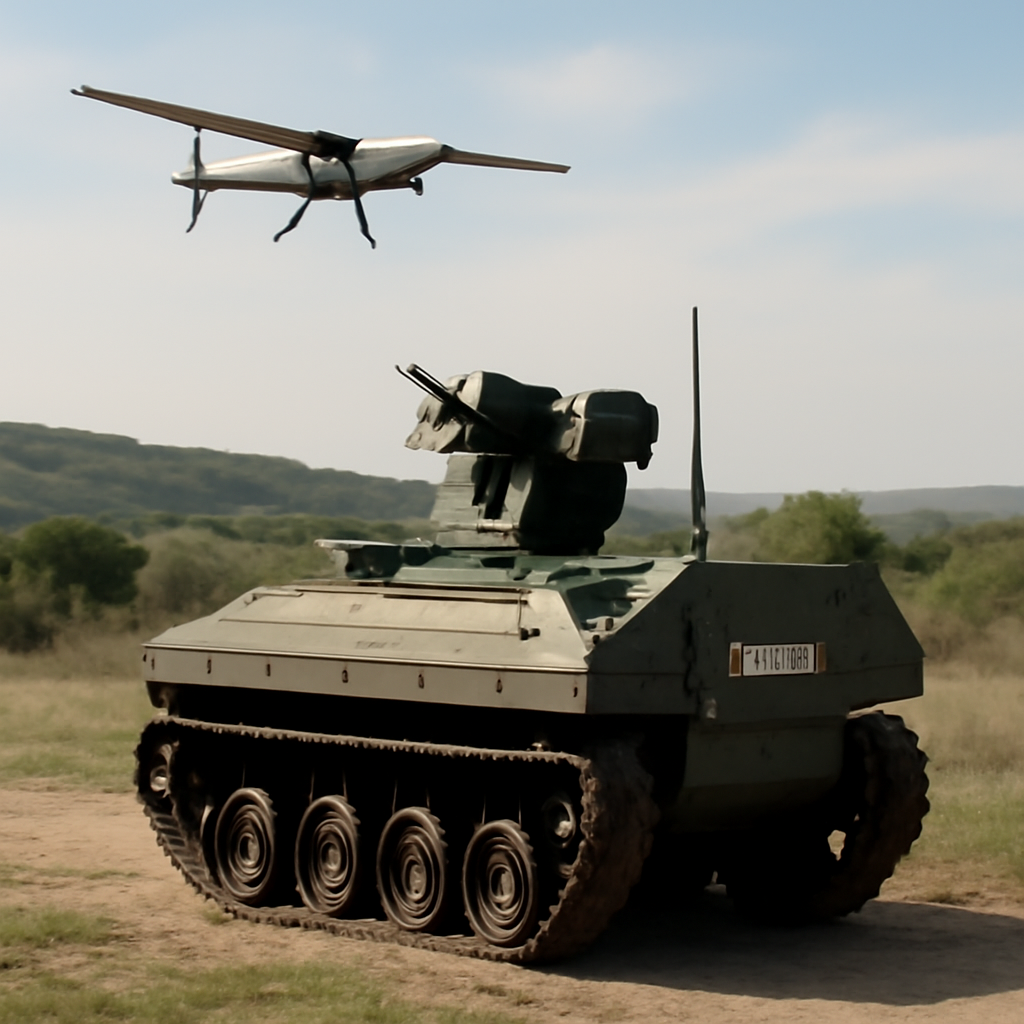
This acquisition is noteworthy not only for its immediate military implications but also for the broader context of international support for Ukraine as it grapples with ongoing threats. The Ermine vehicle, known for its versatility and integration of manned and unmanned capabilities, signifies a shift towards more advanced tactical operations. So why does this procurement matter now?
The backdrop to this development is Ukraine’s protracted struggle for sovereignty and territorial integrity since 2014 when it first faced aggression from Russia. This conflict has necessitated continuous advancements in military technology and equipment to counter adversarial forces effectively. The Ermine vehicle is designed to operate in diverse environments, providing support that ranges from troop transport to reconnaissance operations, thus filling crucial gaps within Ukraine’s current military framework.
At present, the delivery of these vehicles comes at a critical juncture as Ukraine seeks to fortify its defenses amid escalating tensions with Russia. According to an official statement from the Dutch Ministry of Defence, this agreement underscores a commitment not only to bilateral cooperation but also to enhancing NATO’s collective security initiatives. As such, this deal may serve as both a tactical enhancement for Ukraine and a symbolic reinforcement of allied solidarity.
The implications are multifaceted. First and foremost, equipping Ukrainian forces with advanced technology can enhance their operational efficiency on the battlefield. The manned and unmanned capabilities of the Ermine hybrid vehicles allow for greater adaptability to various combat scenarios—an advantage that could be pivotal in urban warfare or rural skirmishes against well-entrenched positions.
Furthermore, this acquisition reflects shifting dynamics within NATO’s approach to defense procurement amidst increasing global tensions. Several NATO member states are recognizing the necessity of supporting frontline nations like Ukraine with more sophisticated systems, which could potentially alter the balance of power in regional conflicts.
Expert analysis suggests that such procurements can have lasting impacts on military readiness and deterrence strategies. As Dr. Sabine Fischer from the German Institute for International and Security Affairs notes, “The integration of modern systems into national arsenals will not only enhance operational capability but also serve as a clear message to adversaries about NATO’s commitment to collective defense.” This sentiment echoes widely among defense analysts who advocate for increased interoperability among NATO allies.
Looking ahead, several factors will shape the outcomes associated with this procurement. Monitor closely how these vehicles are integrated into existing units and what training regimens are established for Ukrainian personnel. Additionally, observe any shifts in Russia’s military strategy as they respond to NATO’s increasing arms support for Ukraine.
The real question remains: Will enhanced capabilities translate into decisive action on the ground? As Ukraine navigates its path towards strengthening national defense while courting international partnerships, each step forward may either bring it closer to stability or plunge it deeper into conflict.