UFORCE's $700 million Series A and a $6 billion valuation
UFORCE closed a "very deliberately designed funding round" that values the Ukraine-founded drone company at more than $6 billion after a $700 million Series A, the firm announced this week. The round was led by Valor Equity Partners and the U.K.'s National Wealth Fund. The U.S.–Ukraine Reconstruction Investment Fund (URIF), initially financed by the U.S. International Development Finance Corporation, participated and will direct its investment toward UFORCE’s Ukraine operations and research and development. Other named investors include Menlo Ventures and Shield Capital.
Operational claims: Nemesis UAVs and unmanned surface vessels (USVs)
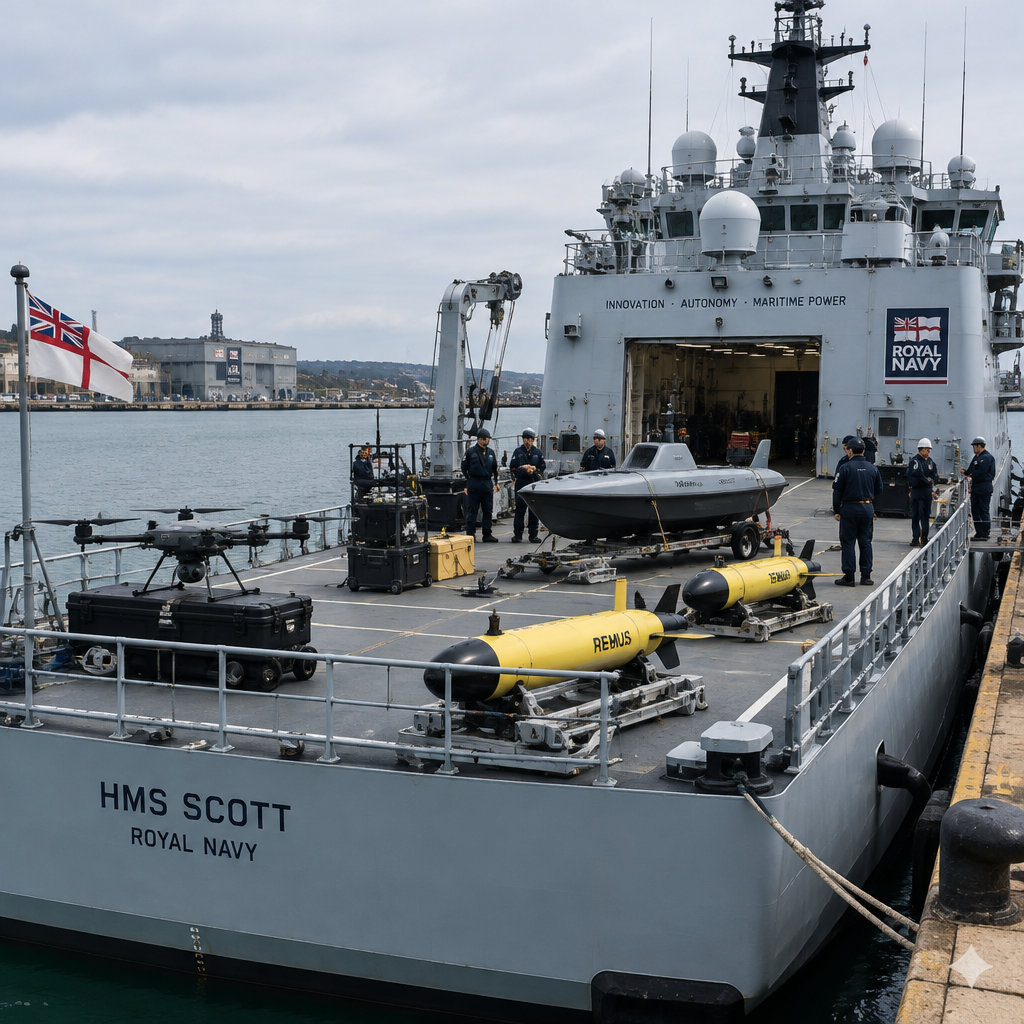
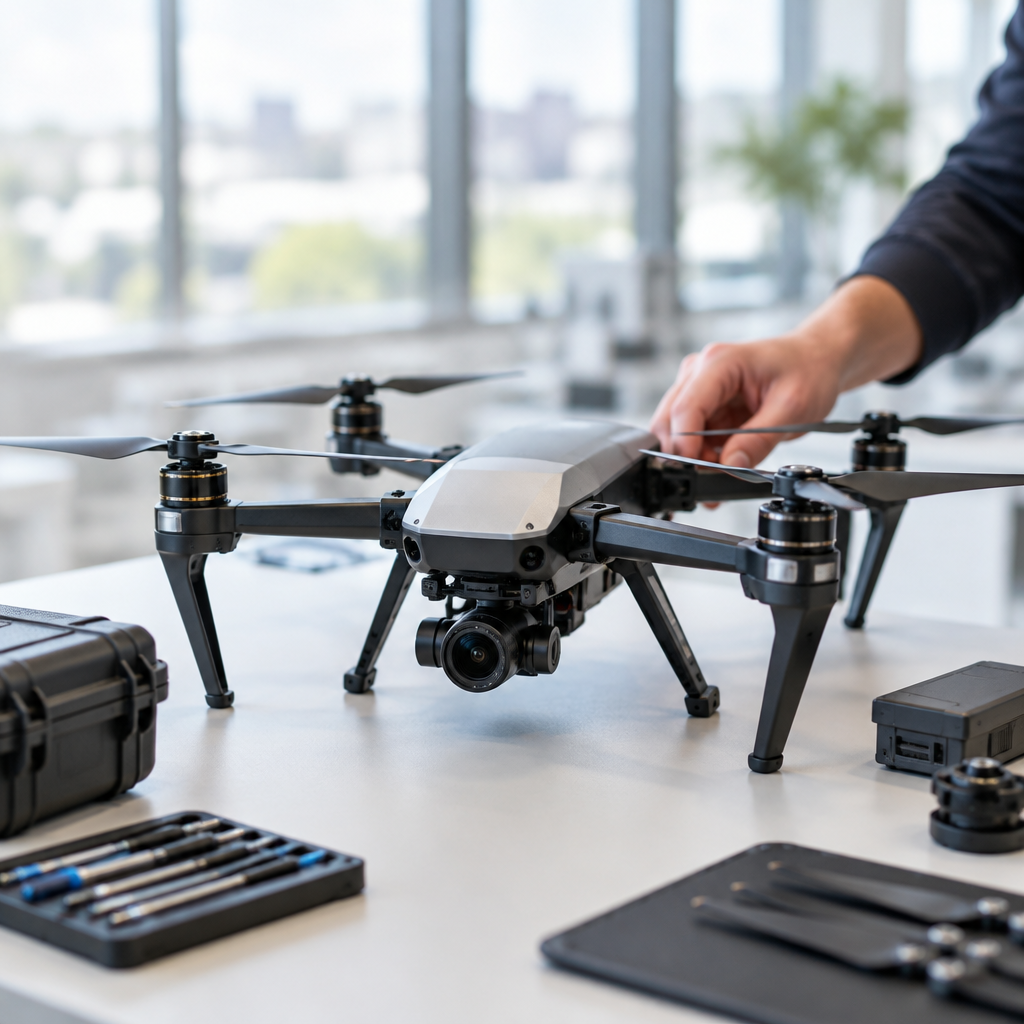
Rogynskyy framed UFORCE’s credibility in operational results rather than lab demonstrations. He said the company's "Nemesis UAV platform has destroyed over 10,000 Russian vehicles" and that the company's unmanned surface vessels "have had a massive impact on the Black Sea fleet," adding that those effects have been "public and recorded." The CEO stressed that UFORCE "shine[s] the best when [they are] in real operations," and described the current funding as supporting both Ukraine's defense and wider adoption of platforms that make defense "so much cheaper and so much more effective."

Audit-ready is a season. It shouldn't be.
Evidence in spreadsheets, controls drifting between audits, frameworks multiplying on flat headcount. Nubivance runs continuous compliance on Rapid7 Cyber GRC - SOC 2, HIPAA, ISO 27001, PCI, CMMC.
End the scrambleManufacturing under fire: discreet facilities, distribution centers, flexible assembly
Scaling manufacturing, Rogynskyy said, is costly and demands a different approach when a country is at war. "You cannot build large factories with big logos on the roof in Ukraine," he warned, arguing for discretion and flexibility that do not degrade economics. That operational constraint drives a model that emphasizes distribution centers, a flexible supply chain, and malleable assembly lines capable of adjusting volume while remaining secure against airstrikes and other threats.
Product roadmap: USVs, integrated unmanned systems, energy effectors, AI and M&A
With the funding closed, UFORCE is assembling an operating plan for next year. Rogynskyy said customers should expect "more USVs, more effectors on the USVs. You're gonna see more integration of our other products"—explicitly including unmanned ground vehicles and aerial drones. He also announced "new energy-based capabilities" described as "energy effectors," and said the company will push further into software integration, autonomy, and artificial intelligence to "help manage large numbers of drones." Rogynskyy added that new products will emerge as mergers and acquisitions get underway.
He declined to provide production numbers, timelines, or hiring targets, but said the company has doubled revenue and tripled its staff to more than 1,000 people in the past year, a company-level metric that frames both the scale of operations to date and the ambitions behind the new capital.
What this means for URIF, Valor/National Wealth Fund, and Ukraine operations
- URIF: By directing its investment to Ukraine operations and R&D, URIF is explicitly supporting on-the-ground development and production inside a theater the CEO described as under active threat; that allocation ties private capital to reconstruction-focused industrial activity.
- Valor Equity Partners and the U.K.'s National Wealth Fund: As lead investors, they are underwriting UFORCE's rapid scale-up and cross-domain integration—betting that discreet, distributed manufacturing and software-enabled autonomy can be expanded beyond Ukraine into "key markets and partnerships."
- UFORCE's Ukraine operations and personnel: The company will need to reconcile rapid growth (doubling revenue, tripling staff to >1,000 in a year) with the constraints of wartime manufacturing, as Rogynskyy described: operational security, flexible supply chains, and malleable assembly lines.
Rogynskyy summarized where the record leaves the company: "The products are there. The capital is there. The know-how is there. The IP is there. The demand, unfortunately, is there. So it’s all about execution now." That assessment frames the next phase as managerial and operational—turning capital and combat-proven platforms into scalable, protected production and interoperable systems.
UFORCE's immediate factual trail is specific: a $700 million Series A, a valuation north of $6 billion, operational claims about Nemesis UAVs and USVs, and a stated plan to expand manufacturing, autonomous software, and energy effectors while pursuing M&A. The question the company must answer next is practical rather than technological: can it execute discreet, flexible manufacturing at scale and knit together air, sea, and ground unmanned systems under wartime constraints?