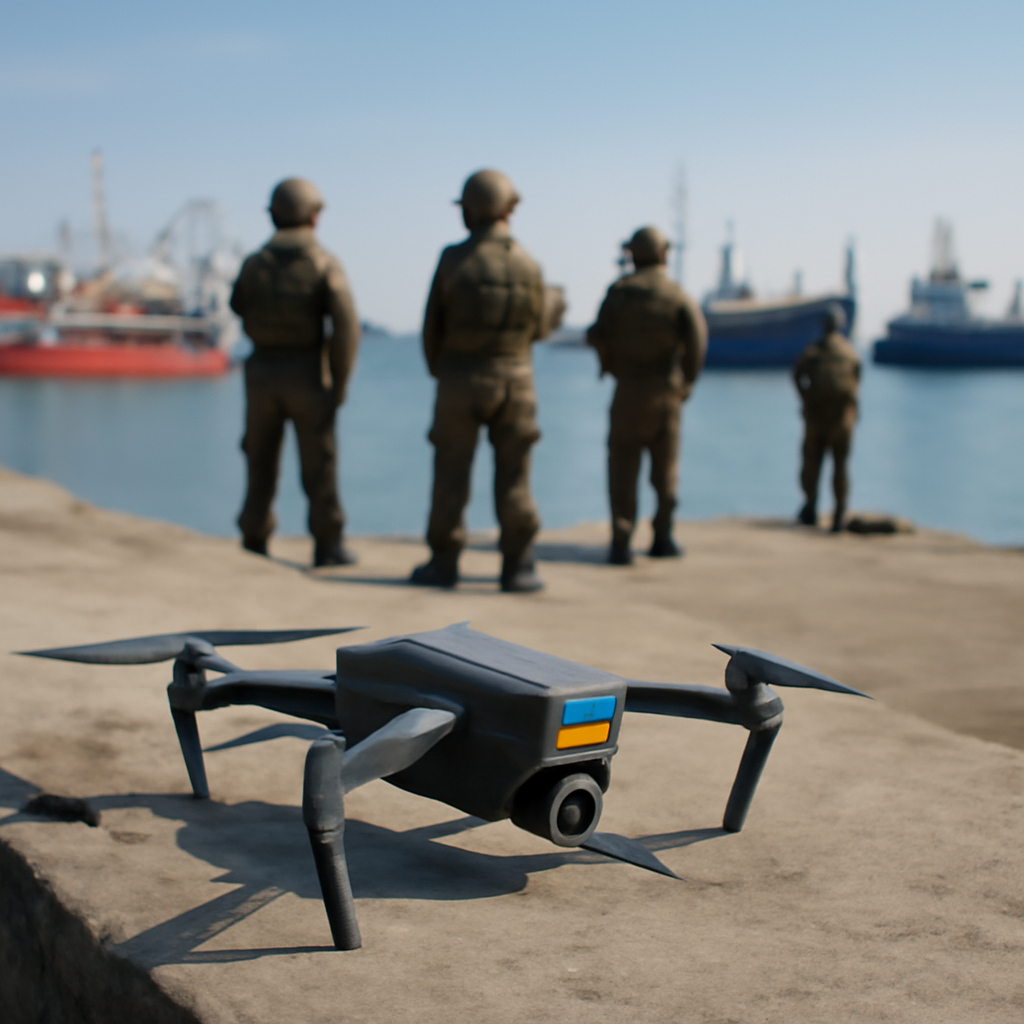
“Overnight on 11 July, the Birds of the Unmanned Systems Forces hit 21 tankers, 4 tugs, 2 cargo vessels, and 1 special-purpose vessel in the Sea of Azov,” Ukraine’s 414th Separate Unmanned Strike Aviation System Brigade, known as “Magyar’s Birds,” stated on X.
Magyar’s Birds and the campaign timeline
The 414th brigade — a cutting-edge Ukrainian drone unit that calls itself “Magyar’s Birds” and names its commander Robert Brovdi (Magyar) — has published a sequence of daily claims and videos beginning on July 6. The unit says its forces struck two ships and several land targets on July 6; eight tankers, a cargo ship and a ferry on July 7; nine tankers on July 8; 14 vessels on July 9; 13 shadow-fleet vessels on July 10; and the 21-tanker-plus tally described above for the night of July 11. Magyar’s Birds additionally claimed that, across July 6–11, a total of 76 vessels were struck and that 53 “legitimate military targets” in Crimea and occupied southern territories were engaged under an effort it calls “Operation ‘Crimean Switch Off.’”
Target set: shadow fleet tankers, fleet assets, and energy infrastructure
The strikes described by Magyar’s Birds have largely focused on what the reporting calls Russia’s “shadow fleet” — mostly oil tankers — as well as assorted fleet and energy infrastructure targets. The unit’s social-media posts and compilations show vessels burning near the Kerch Bridge and other points in the Sea of Azov; satellite images dated July 8 and July 9 and credited to Vantor depict a burning Russian tanker near the Kerch Bridge. TWZ noted it could not independently verify the brigade’s claims, but reported that “many videos have emerged on social media purporting to show the results of these attacks” and that Magyar’s Birds has released multiple compilations.

Audit-ready is a season. It shouldn't be.
Evidence in spreadsheets, controls drifting between audits, frameworks multiplying on flat headcount. Nubivance runs continuous compliance on Rapid7 Cyber GRC - SOC 2, HIPAA, ISO 27001, PCI, CMMC.
End the scrambleTechnology and tactics: Fire Point drones, Sea Baby sea drones, and satellite links
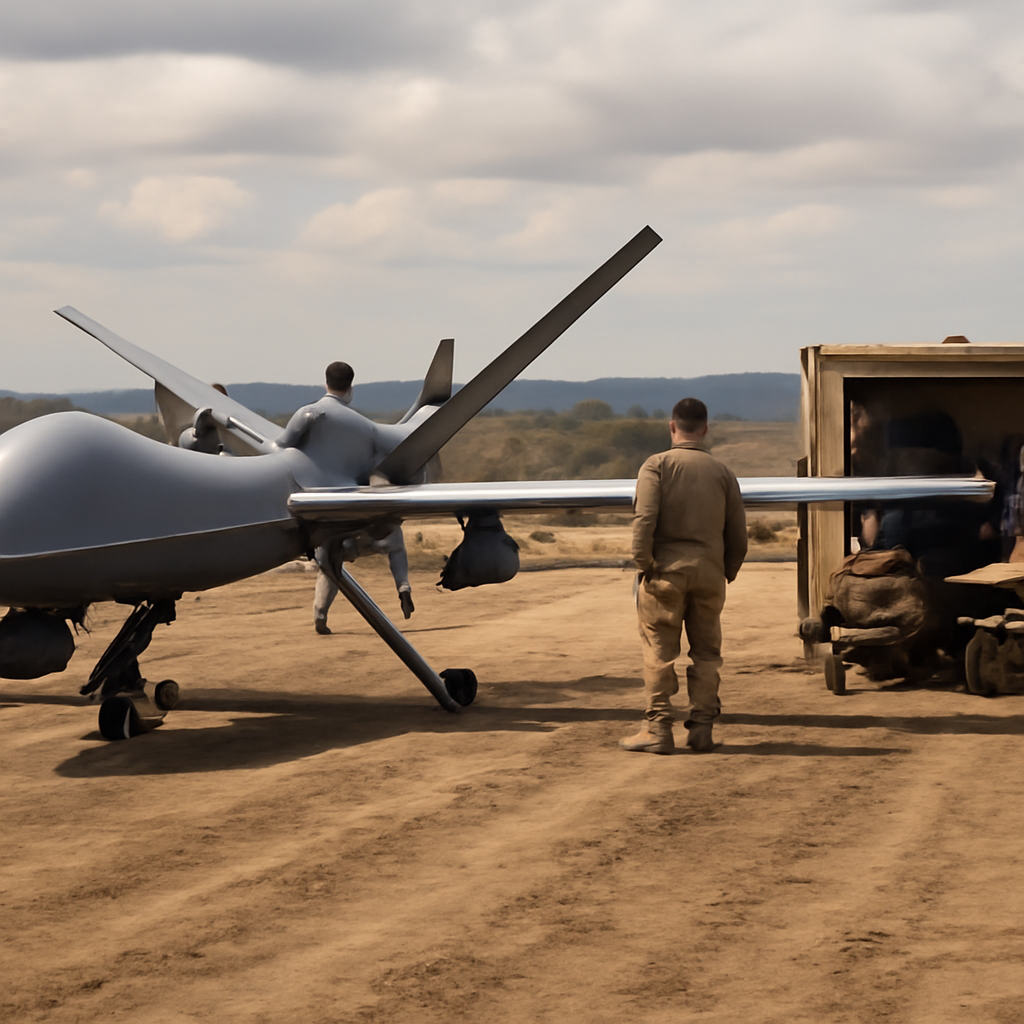
Magyar’s Birds does not publicly name every drone model it uses, but the videos display hardware from Fire Point. The firm makes kamikaze drones and the FP-5 Flamingo cruise missile; a commentator quoted in the reporting, Roy Gardiner of the Defense Tech For Ukraine collective, surmised the attacks use the FP-2 because “it’s the only UAV available in large numbers and with the range to carry that much explosive, other than the long-range AN-196 Liutyi.” Fire Point co-owner Denis Shtilerman told TSN the company increased the FP-2 warhead to 200 kilograms and revised the wing design to achieve a claimed 370-kilometer range. The reporting also highlighted “high-speed satellite data links allowing for man-in-the-loop operations at great distances,” and noted that Ukraine’s SBU had used Sea Baby sea drones to strike a Russian tanker in the Black Sea on June 8.
Commercial and logistical consequences: Don-Azov Canal, Kerch Strait, and wheat markets
Industry sources cited to Reuters told reporters that Russia “temporarily stopped shipping through the Don-Azov Channel,” a navigable waterway linking the Don River with the Sea of Azov, after a series of attacks; the halt followed a Friday wave of 13 attacked vessels, including 10 tankers. Reuters further reported that Russia suspended new applications for vessel transit through the Kerch Strait and halted navigation on the Don-Azov Canal. Market reaction was immediate: Euronext wheat futures rose 4%, and analysts noted that about 25% of Russia’s wheat exports pass through the Sea of Azov. The reporting also linked the strikes to broader effects on Russian fuel supply chains, with Reuters citing two industry sources and calculations that Russian gasoline output fell to around 65% of the seasonal average after strikes forced stoppages at large refineries.
What this means for grain exporters, energy suppliers, and Russian authorities
- Grain exporters and market traders: The suspension of traffic through the Don-Azov Channel and the Kerch Strait restrictions have immediate implications for exporters who rely on the Sea of Azov; Reuters-cited market analysts linked the disruption to a 4% jump in Euronext wheat futures.
- Energy suppliers and refiners: The reporting tied a decline in Russian gasoline output to stoppages at refineries and noted that Russia has increased gasoline and diesel deliveries from Belarus — up to an industry-quoted 6,000 tons per day — and begun seaborne imports from India to cover shortfalls.
- Russian authorities and military planners: The reporting included public and online reactions inside Russia — from milbloggers complaining of inadequate protection for tankers to nationalist commentators alarmed that drones had struck deep targets — and quoted state messaging that the strikes were “creating problems” while insisting the situation was “not critical,” according to BBC coverage cited by the article.
The Sea of Azov campaign, as described, combines a concentrated use of aerial kamikaze drones and sea drones with real-time satellite control to strike maritime and shore targets. The reporting documents rapid operational claims, visible imagery, market moves and logistical chokepoints: Russia’s temporary stoppage of Don-Azov traffic and the Kerch-Strait application freeze are concrete downstream consequences, while satellite photos and numerous social-media videos supply the visual record cited by the sources. How Moscow responds in protection, repair, and routing — and how export-dependent markets adapt — will determine whether these tactical strikes produce sustained strategic effect.
Original reporting: https://www.twz.com/news-features/ukraine-claims-scores-of-russian-ships-struck-in-sea-of-azov