"To maximize the lethality and survivability of the Raider, it is imperative to retain the deep tactical and combat experience currently residing within the WSO and CSO communities," the Air Force said in an official release announcing its crew decision for the B-21 Raider.
Air Force leadership: two pilots chosen to support the B-21 mission
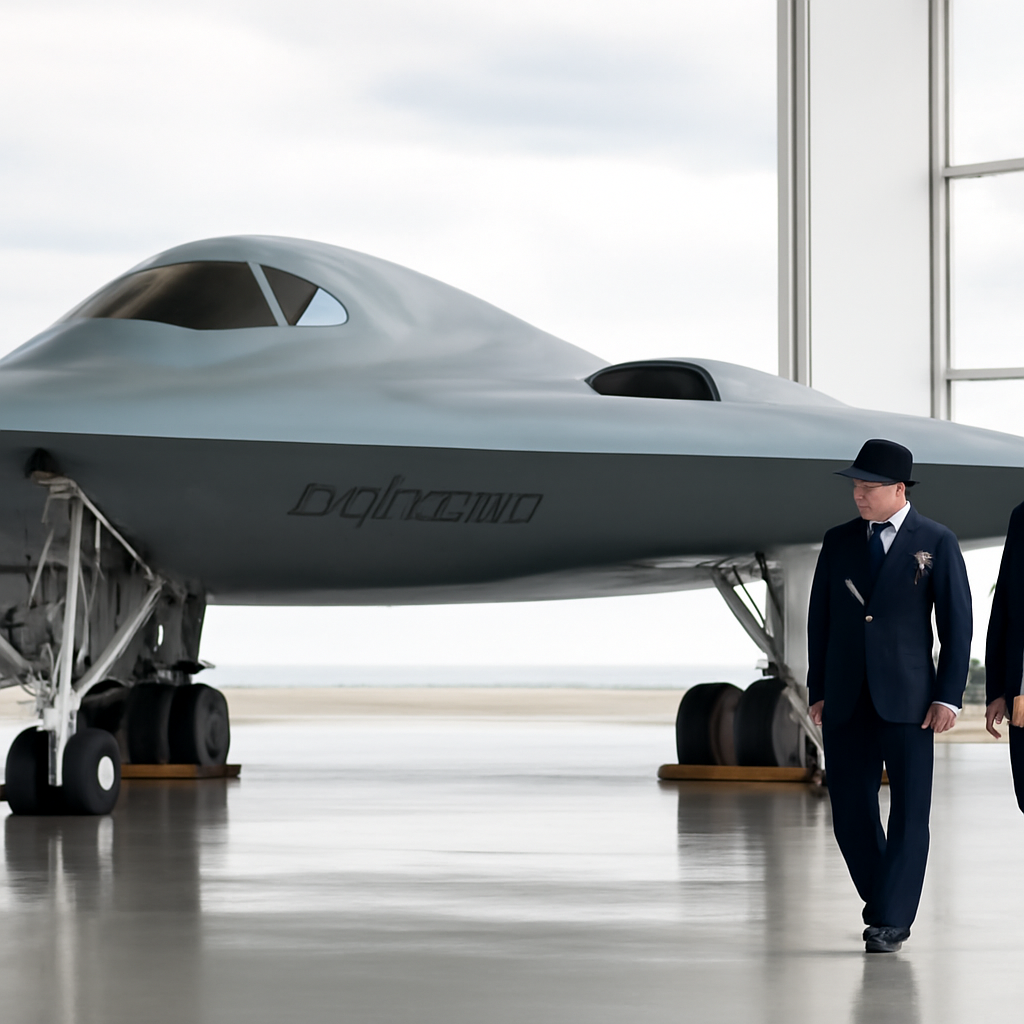
The U.S. Air Force has formally decided that the B-21 Raider will be flown by a two-pilot crew, matching the current standard for the B-2. That formal announcement came yesterday, following an earlier Air Force statement in June that an operational test pilot had for the first time taken the controls of a pre-production Raider. The Air Force framed the decision around mission needs, saying leadership determined a two-pilot configuration "optimally supports the aircraft’s mission profile" and preserves tactical experience resident in weapons systems officers (WSOs) and combat systems officers (CSOs).
Pilot transition program for WSOs and CSOs
Rather than staffing the B-21 with one pilot and a dedicated WSO as was once considered, the Air Force said it will establish a pilot transition program that selects WSOs and CSOs for pilot training and a follow-on assignment to the B-21. The release noted that "eligible officers will be provided with additional information via command channels when available." An Air Force spokesperson told TWZ that "The pilots will be 11B bomber pilots" — referring to the Air Force Specialty Code for bomber pilots — while cautioning the service is still determining the final number of B-21 pilots.

Audit-ready is a season. It shouldn't be.
Evidence in spreadsheets, controls drifting between audits, frameworks multiplying on flat headcount. Nubivance runs continuous compliance on Rapid7 Cyber GRC - SOC 2, HIPAA, ISO 27001, PCI, CMMC.
End the scrambleEllsworth Air Force Base and the fielding timeline
The Raider remains in development, but the Air Force is aiming to begin fielding the bombers next year at Ellsworth Air Force Base in South Dakota. The service maintains a stated plan to acquire at least 100 B-21s, with officials saying they will publish a more precise figure next year; that figure is described in the release as "widely expected to be larger." The total number of aircraft will directly influence the ultimate number of pilots required.
Automation, AI, and the single‑pilot option that was considered
The service had previously considered single-pilot B-21 operations — one pilot paired with a WSO — and the Raider’s development included a stated desire for an optionally piloted mode or the ability to integrate one rapidly, part of the Long Range Strike Bomber (LRS‑B) program requirements. TWZ’s coverage cited historical DoD reporting and public research efforts that show a high degree of automation and AI-infused autonomy were baked into the B-21’s design. The article referenced DARPA-supported work on "virtual co-pilot" systems through the Aircrew Labor In‑Cockpit Automation System (ALIAS) and noted companies such as Shield AI and Merlin developing similar autonomy packages. The Air Force acknowledged that such automation could reduce workload and add redundancy, but leadership concluded the best near-term approach is a two-pilot crew.
How AFGSC, WSOs, and CSOs are affected
- Air Force Global Strike Command (AFGSC): AFGSC, which oversees the Air Force’s bomber fleets, will implement the new crewing model and manage the transition program; Gen. Stephen Davis, head of AFGSC, described the B-21 as having room for crew rest similar to the B-2 and noted the need to "look carefully at that crew complement" to make the platform the most capable combat asset.
- Weapons Systems Officers and Combat Systems Officers: Select WSOs and CSOs will be eligible for conversion to pilot status, receiving pilot training and subsequent assignment to the B-21. The Air Force indicated eligible officers will receive further guidance via command channels.
- Bomber pilots (11B AFSC): Individuals assigned as B-21 pilots will hold the 11B bomber pilot code; the Air Force is still determining how many will be required as production and fielding plans are finalized.
The decision preserves the experience and tactical judgment located in the WSO and CSO communities while committing the Raider to the same two‑pilot baseline as the B‑2. It leaves open the long-term question of whether optional uncrewed or pilot‑optional modes — anticipated in program requirements and enabled by advanced autonomy work — might ever be integrated later. For now, the Air Force will proceed to field the B-21 with two pilots, ramp production toward the stated minimum of 100 aircraft, and begin reshaping personnel pipelines to populate the fleet.