Which partner do Gulf states call when Iranian loitering munitions start striking their facilities: the regional heavyweight they have historically leaned on, or a war-tested newcomer from Europe? In March 2026, Gulf Cooperation Council (GCC) targets began coming under attack by Iranian Shahed‑type loitering munitions — and the first request for counter‑drone assistance went to Kyiv, not Islamabad.
What happened
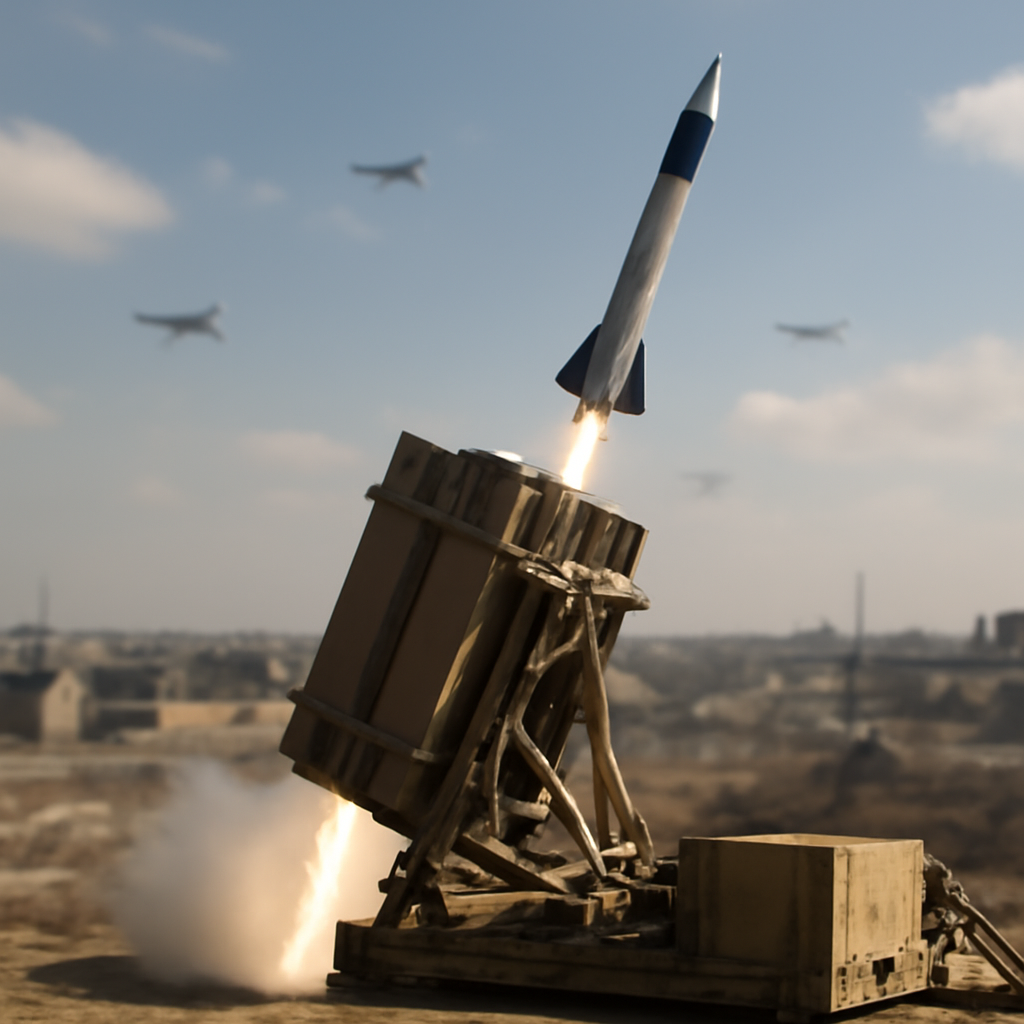
According to reporting by Quwa, Iranian Shahed‑type loitering munitions began striking GCC targets in March 2026. In the weeks that followed, the first call for counter‑drone help from Gulf states went to Kyiv rather than to Islamabad. Within weeks of those strikes, Ukraine signed 10‑year defence cooperation agreements with Saudi Arabia, Qatar, and the United Arab Emirates. The agreements, as described by the source, cover interceptor drone exports and counter‑drone training, and — in Qatar’s case — include additional provisions noted by the reporting.
How the new pacts are structured
The deals described by the source are decade‑long defence cooperation agreements linking Ukraine and three GCC members: Saudi Arabia, Qatar, and the UAE. The agreements explicitly address two capabilities: the export of interceptor drones and the provision of counter‑drone training. The source further reports that the pact with Qatar contains additional elements, which the reporting acknowledges without fully detailing in the excerpt provided.

This site is the portfolio.
OSINTSights runs on Cloudflare Workers, D1, R2, and Vectorize, with an AI pipeline on Hetzner ARM. Nubivance designed, built, and operates it. We do the same for clients.
See what we buildWhy this matters
- Shifting supplier dynamics: The immediate operational choice to request help from Kyiv — and the swift signature of long‑term pacts — suggests Gulf states are diversifying or recalibrating their sources of counter‑drone capability. The selection of Ukraine over Islamabad for an initial request is the factual pivot reported by the source.
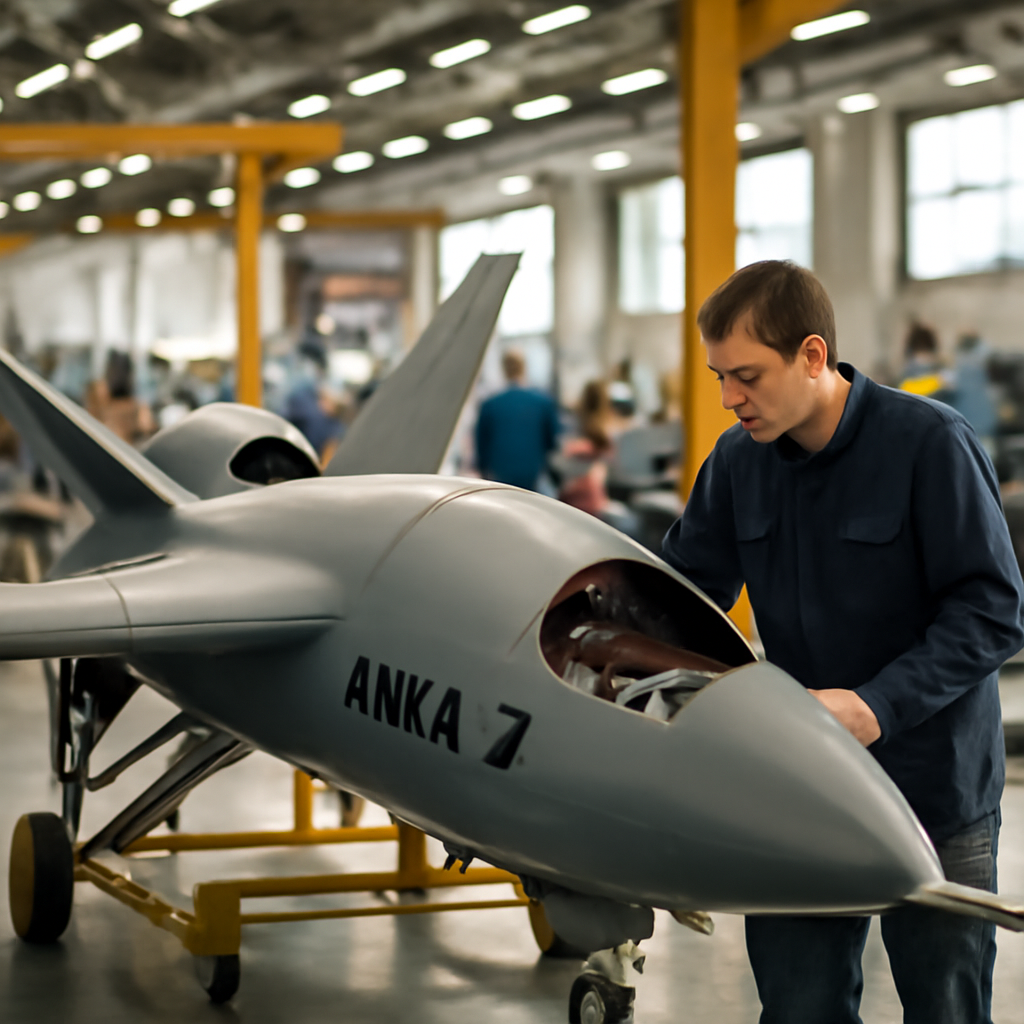
- Operational focus on interceptor drones and training: The content of the agreements centers on interceptor drone exports and counter‑drone training, indicating Gulf purchasers emphasize both hardware and the operational know‑how to use it.
- Regional security response to loitering munitions: The trigger for these moves was the appearance of Iranian Shahed‑type loitering munitions striking GCC targets in March 2026. That type of incoming threat appears to have accelerated procurement and capability‑sharing decisions.
Perspectives and potential implications
Technologists will read these agreements as validation of interceptor drones and tailored training as critical elements in contemporary air‑defense mixes. Policymakers in the Gulf — faced with a direct kinetic threat — appear to have prioritized rapid capability acquisition and partnerships that can deliver both systems and practical training over the coming decade.
For users — military planners and air‑defense operators in the Gulf — the pacts promise multi‑year continuity in supply and cooperation, which matters for logistics, doctrine, and long‑term maintenance. For potential adversaries, the publicization of these agreements signals that the GCC is taking counter‑drone measures seriously and seeking diversified sources of support.
What to watch next
Key questions remain based strictly on the reporting: how quickly Kyiv will deliver interceptor drones and training, which additional measures are included in the Qatar agreement, and whether these decade‑long pacts will lead to deeper industrial or maintenance ties. The source also leaves open how other regional partners reacted to the strikes, and whether Islamabad was consulted in parallel or sidelined entirely.
These developments raise a clear strategic puzzle: when a region under attack chooses an unconventional partner for immediate help and then locks in long‑term cooperation, it is not merely buying hardware — it is reshaping the map of operational alliances. Will that realignment hold through the decade‑long horizon the agreements establish, or will future events prompt further shifts?